
“The Amazon rainforest, covering much of northwestern Brazil and extending into Colombia, Peru and other South American countries, is the world’s largest tropical rainforest, famed for its biodiversity. It’s crisscrossed by thousands of rivers, including the powerful Amazon.” (Google)

Though they are one of the main features of the Amazon rainforest, the trees that cover vast swathes of the region are often overlooked, viewed as a mere backdrop to the animals and creatures that call the Amazon home. These tall trees play an essential role in jungle life, producing around 20% of the earth’s oxygen and providing a home for some of the rarest and most beautiful creatures in the world.
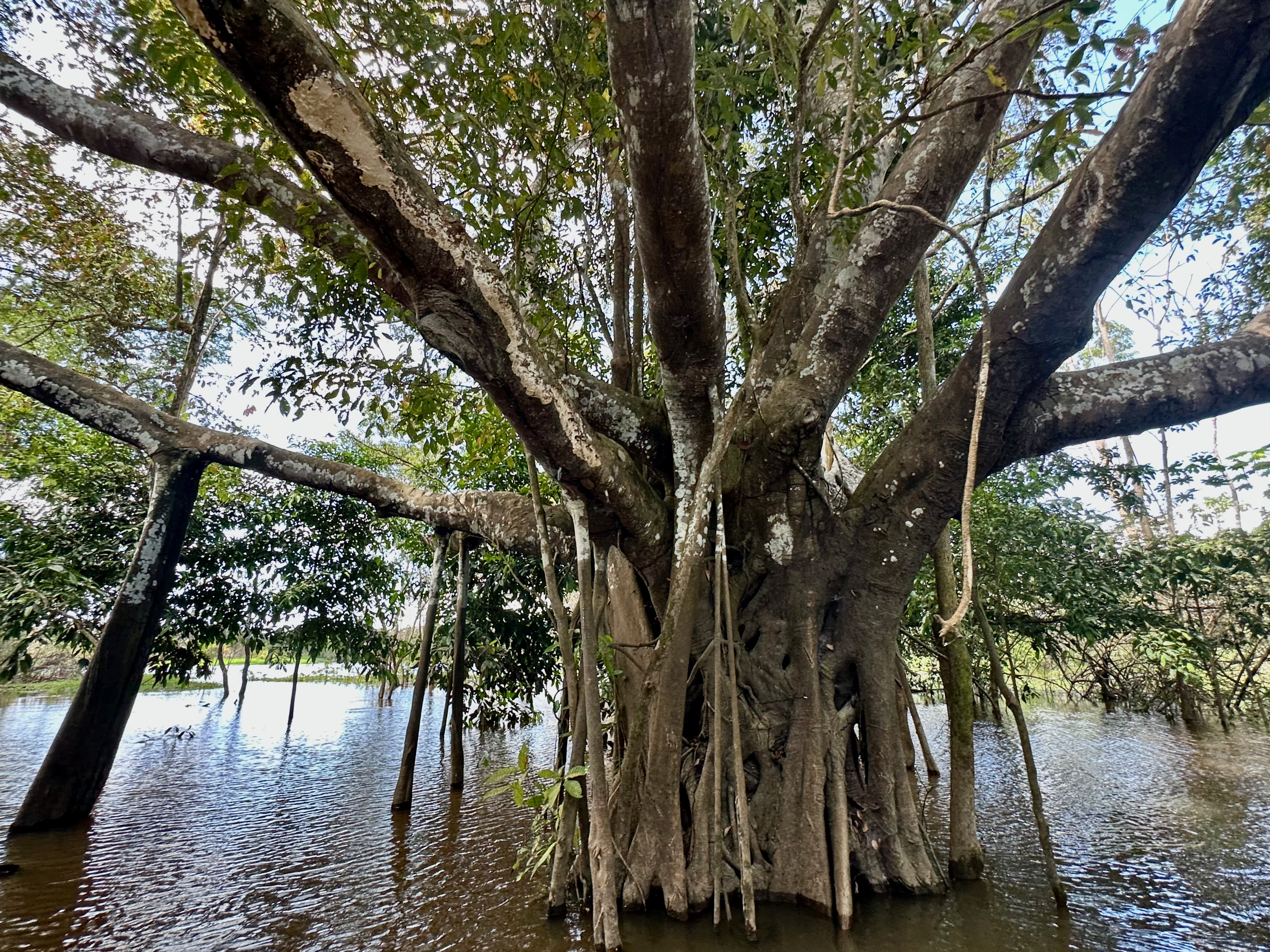
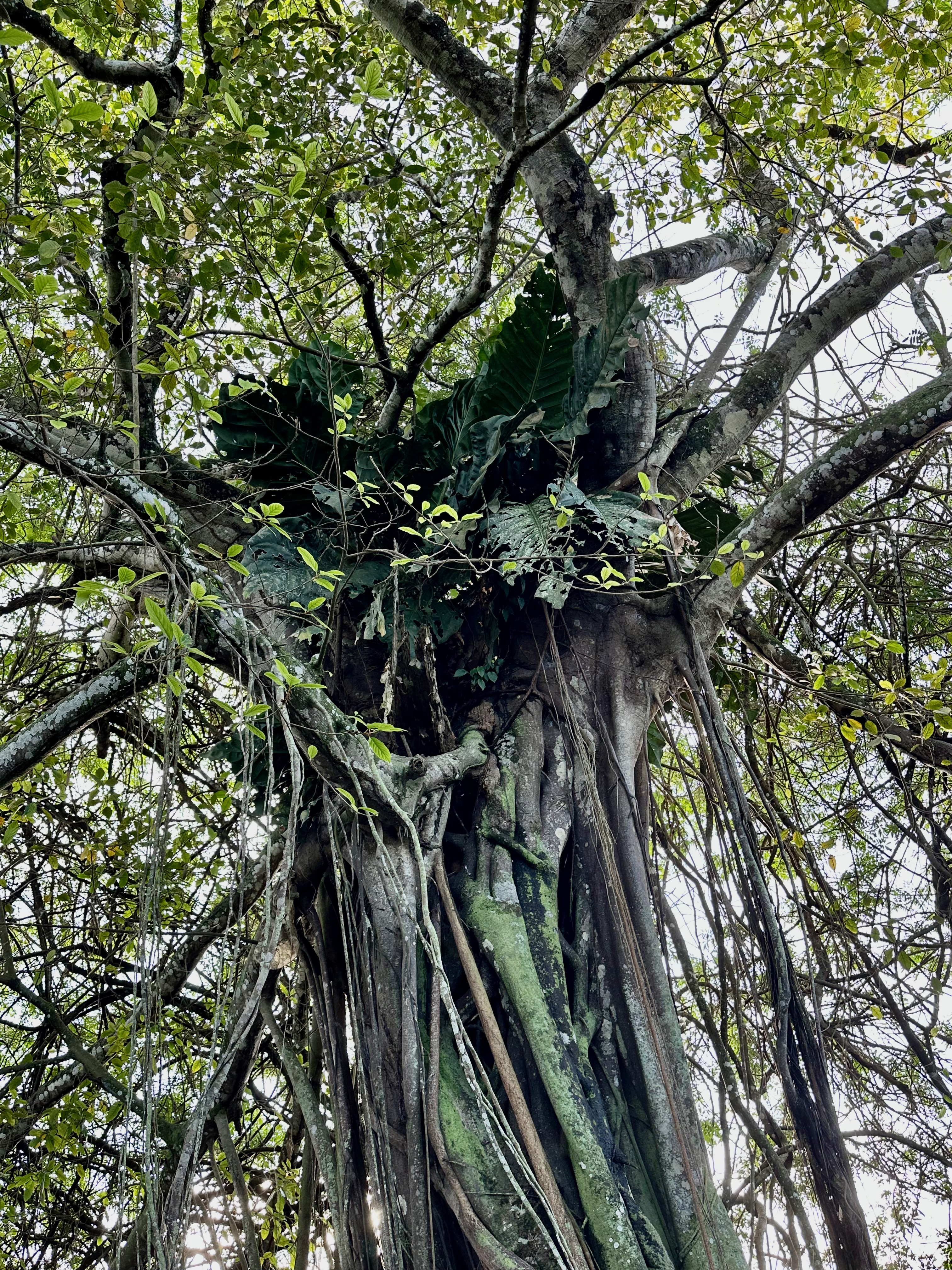
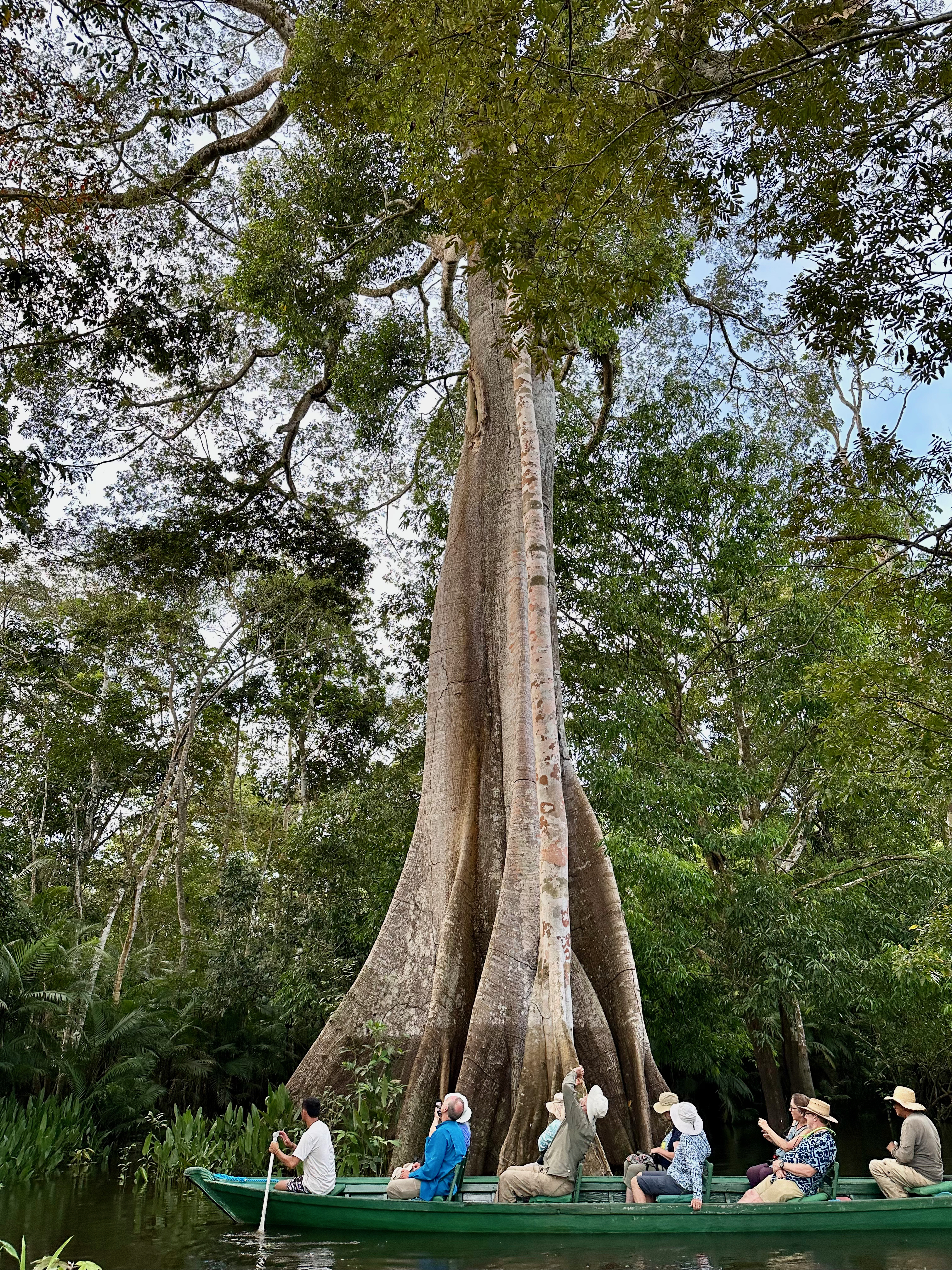

Two to three times a day we went exploring in the tenders, the smaller boats. As we searched for animals and vertebrae and birds we encountered trees. Most of them were rather large and stately. They supported an incredible amount of life from insects to plants. Some animals spend most of their lives living in the trees.
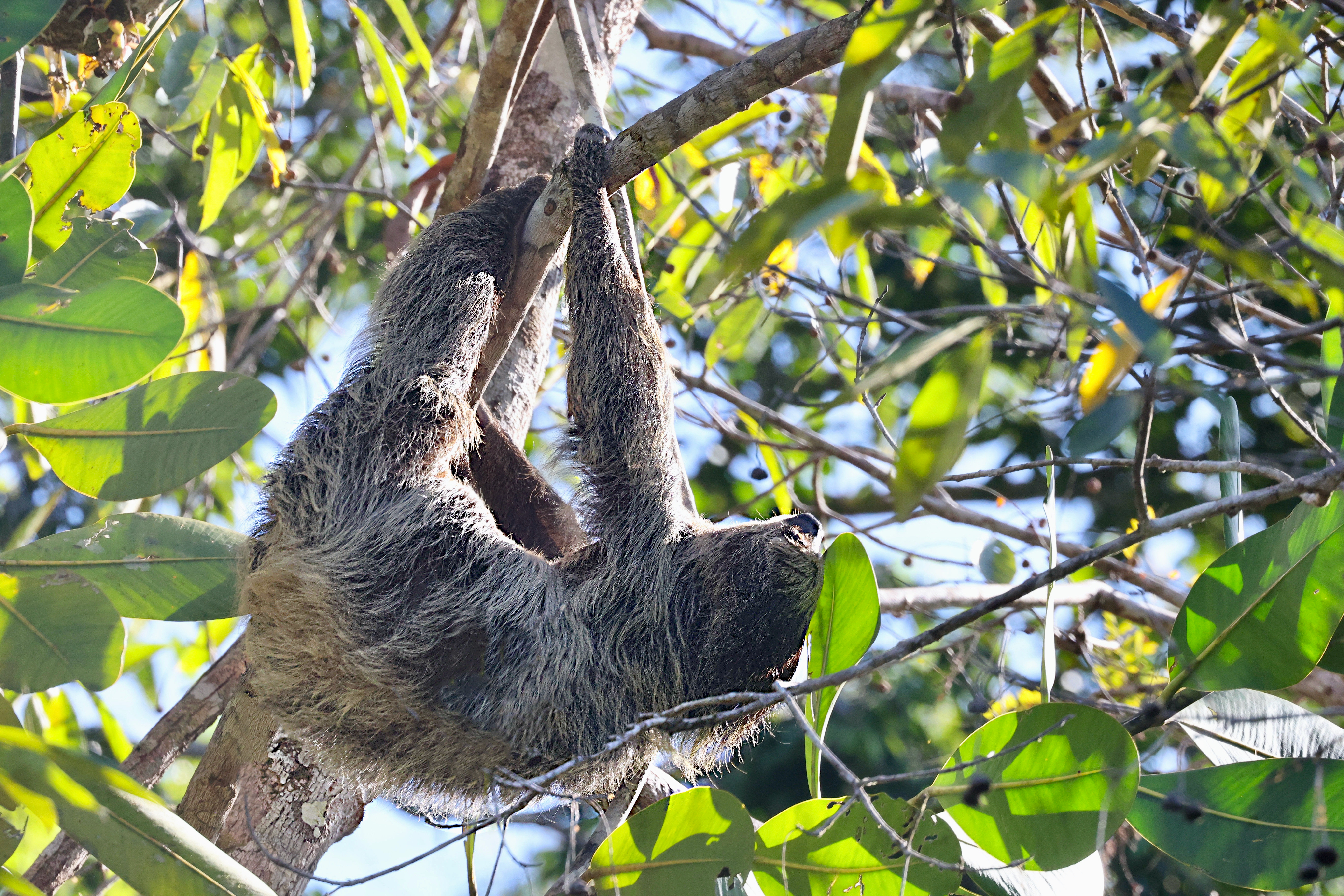
Sloths spend most of their lives traveling from tree to tree. They travel slowly, less than 40 yards a day. Sloths spend the majority of their time up in the canopy, coming down only one time per week to relieve themselves. The trees provide natural protection from predators. It is safer for sloths to remain motionless and camouflaged off the ground. They will, however, venture down on rare occasions to find more food or a mate or to take a swim.
Deforestation in the tropical forests of South and Central America threatens the trees sloths and many other living entities that call the canopy home. Organizations such as the World Wildlife Fund have supported efforts to protect the canopy in the Amazon Rainforest.

Many bird species also exist in the tree canopy. We had the opportunity while we traveled the Rio Negro a tributary of the Amazon, to see the Harpy Eagle twice.
Harpy eagles are the largest, most powerful predatory birds to be found in rainforests around the globe. They are among the largest species of eagles on planet Earth. Their wingspan can reach up to 7 feet and 4 inches. Their legs are the size of a person’s arm and their talons are three to four inches long.
Harpy Eagles in the Amazon


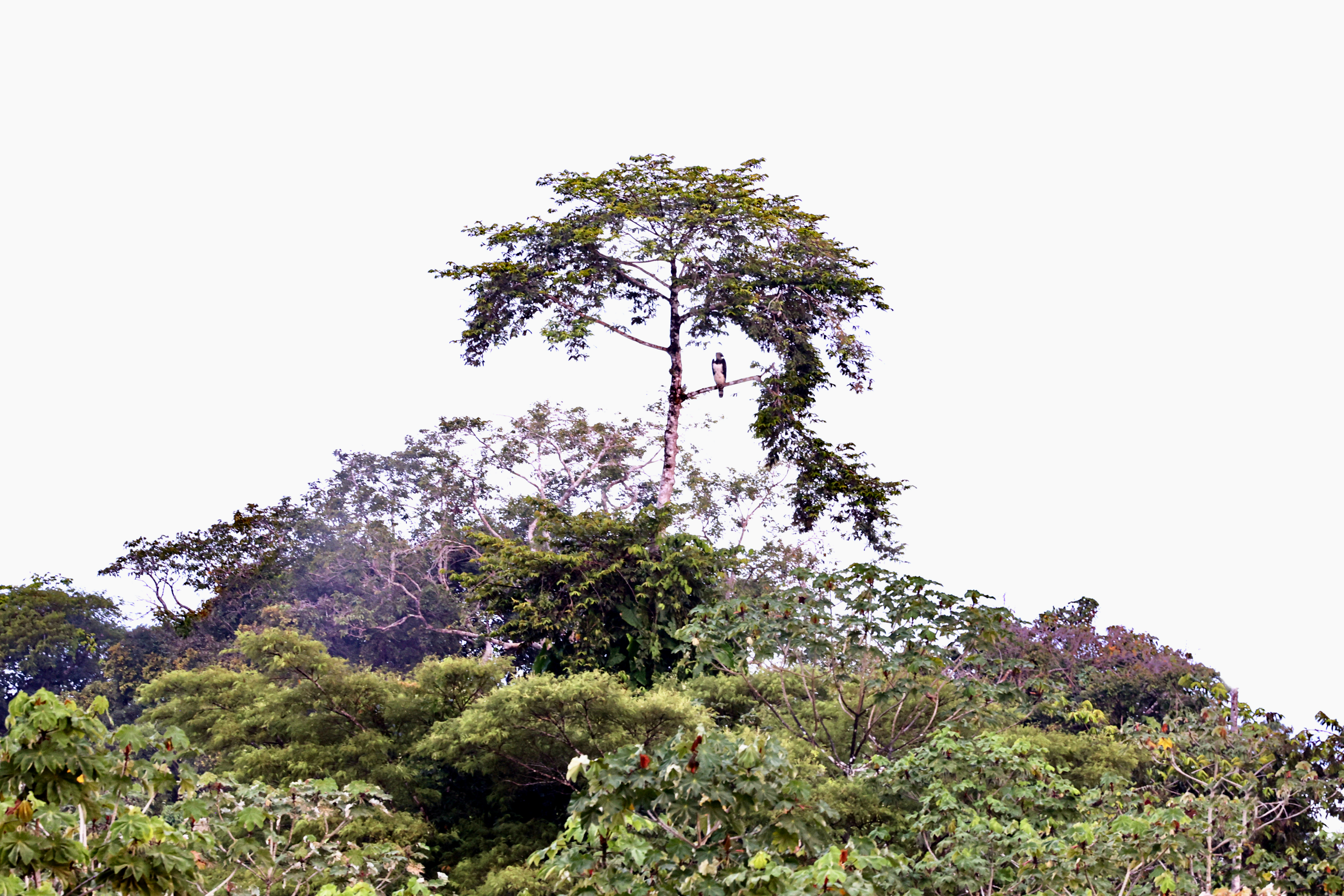
These powerful eagles are at the top of the rainforest food chain and have no natural predators. They prey on tree-dwelling mammals including sloths, monkeys, and opossums; large birds such as macaws and curassows; and reptiles like iguanas and snakes.
They occupy huge territories that can exceed 10,000 acres. Pairs build a stick nest — six feet wide and more than a foot deep — high in the jungle canopy. The birds mate for life and reproduce slowly, raising a chick every two to four years.
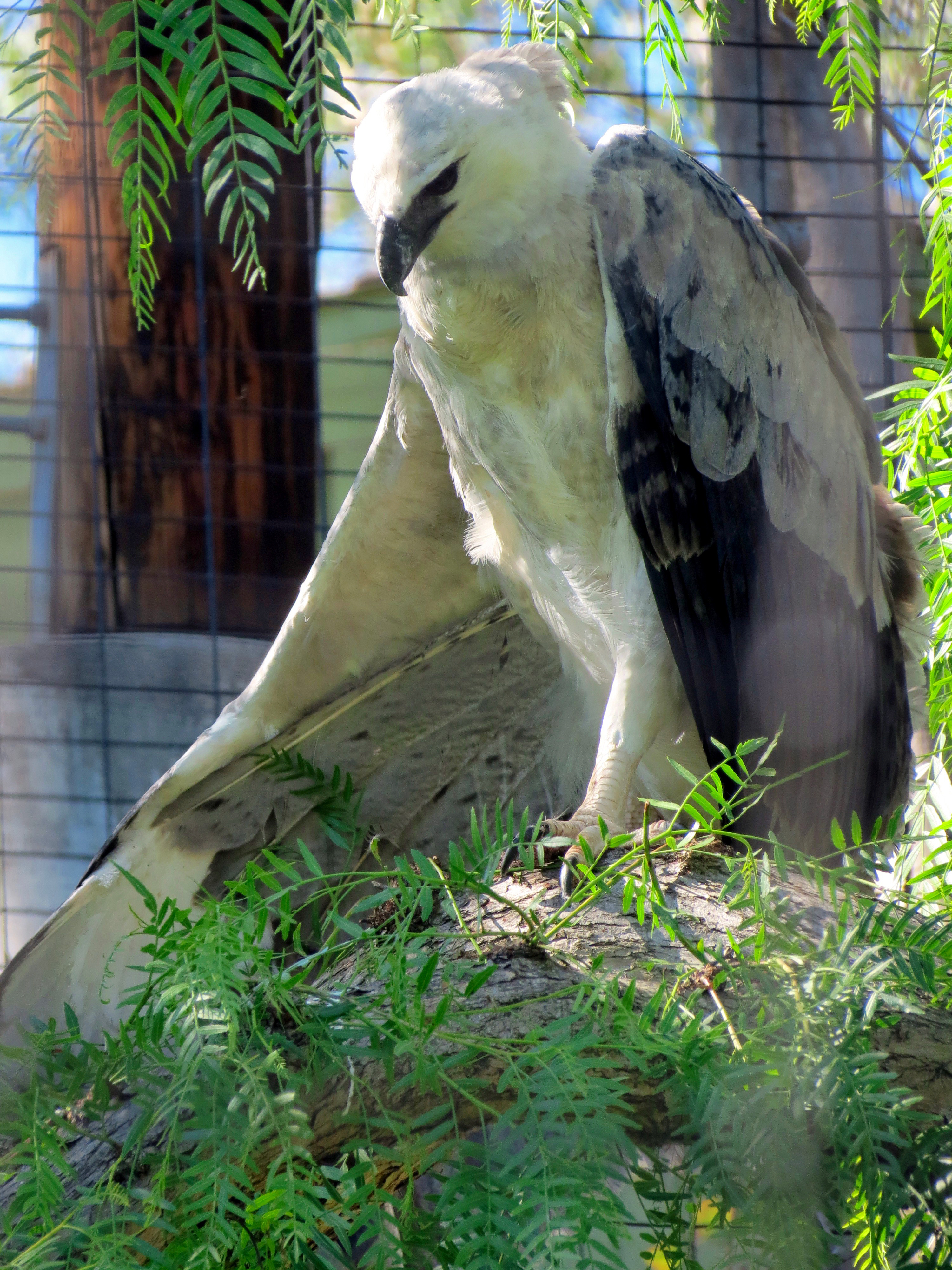
Large areas of land with big, healthy trees are needed to conserve viable populations of Harpy Eagles. Conservation is required by many environmental organizations to continue to support this large and rare eagle.
Trees are essential to our lives. It felt good to be among the trees for twelve days of my life. I have climbed trees, hugged trees, listened to them, and honored them in my life. I am glad I got to experience the large and impressive trees of the Amazon Rainforest. It was an honor to feel so small in their massive presence.
Today I am thankful for all the amazing wild places out there waiting for me to explore and know. Today I am thankful for the mighty tree that helps me be able to live and breathe on this planet Earth. Today I am thankful.
And…please remember to click on the photos. They will be shown in full size if you click on them.
Continue reading
 Journeys of Thankfulness