Today, October 17th, the day after my birthday, marks the day Jim, my husband, died of metastatic cancer. Fourteen years seems like such a long time ago, yet some days it continues to feel like yesterday.
Since his death, October, is an odd month for me. Jim entered the hospital the day before his birthday and died the day after mine. One week can make such a difference.
October is Breast Cancer Awareness Month. In 2010, I joined the ranks of breast cancer survivors. When I was first diagnosed, I was angry, really angry that something like this could interrupt my life. I successfully navigated the process and came out the other side. To this day, I don’t like pink. I know that there are so many organizations that research and let all of us know so much more about Breast Cancer. It make it more treatable. I still don’t like being reminded that I am a survivor, and I still don’t like pink and everything Pink October. I have moved on.
In 2019, I was diagnosed with Thyroid Cancer. I returned to the medical system, and once again the treatment was successful. I am once again cancer-free.
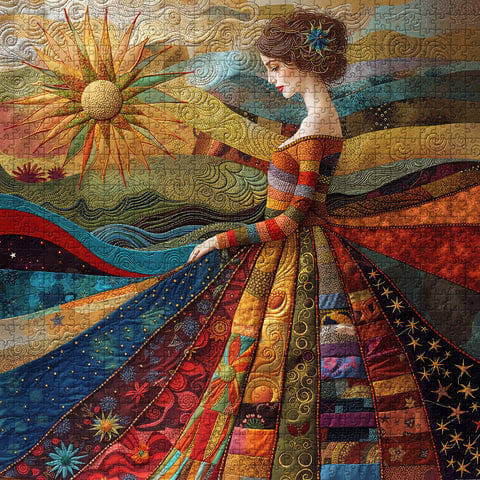
So, here I am, a tapestry of human experience, like the rest of us. Over the years, my life has become easier; I accept more than I used to, and I am learning to release things more gracefully. I embrace change more easily. And…I continue to grow and change.
With Jim’s death, my life profoundly changed. Within two years, I sold the house, moved into a small RV, and began to roam. My life has always seemed to be dictated by change and growth. Sometimes the change has been positive and lovingly accepted, and other times I arrive kicking and screaming. Change still happens.
In year 14 of the loss of Jim, I remember him every day. Today I lovingly remember him and hold those memories close. We traveled, slept in the tops of trees, snorkeled with seals and sea lions, hiked to the heights, kayaked different waterways, biked at least once a week, and so much more. Mostly, I remember the everyday moments he and I shared. We were truly partners and best friends. The best of all worlds.
And still, Change Happens. It happens whether I like it or not. It happens whether expected or unexpected. I don’t always know what form or effect it will have on my life. With my arms as wide open as possible, I will continue to attempt to embrace change in my life. Some days it will be baby steps and other days giant ones.
I will always carry Jim forward with me as I move through my life. My 22 years with him have molded me and changed me and made me more of everything. I am forever grateful for my time with him. I will continue to miss him and embrace the time we shared together.
Today I am thankful for Jim. Today I am thankful for Growth and change.
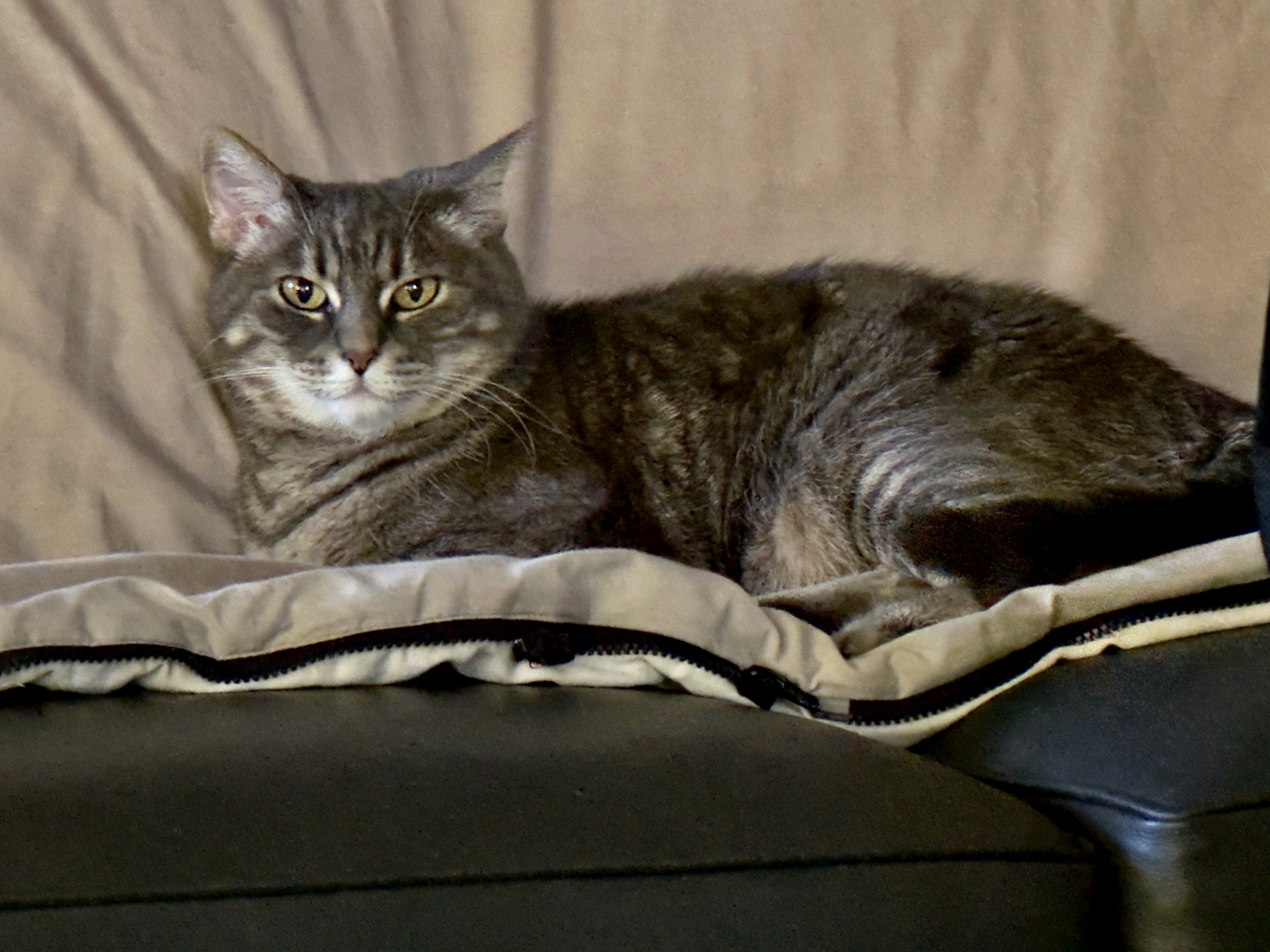
Hi, I am Woody the Cat. I have gotten used to telling my on going story on Janet’s Blog. I am not sure what that is but she says people like to read about me. Well of course they do. I am the Cat.
A long time ago my friend, Mandy and the dog, Rocky left the house. I have no idea where they went. Janet says they will be back. My concept of time is rather limited. It feels like forever since they left.
Janet has been here before. Janet comes, Mandy leaves. Mandy comes back. Janet leaves. It seems like the natural order of things. Sometimes Janet is “coming through” the area and stays for a few days. Before I know it, she is gone again. Where does everyone keep going?
I am an older kitty now. My health is good, well, except for my kidneys. I am on special food now and special treats. Yum! I love treats. Yum! Do you like treats too?
Have you ever heard of fleas? I am not real fond of them. They make me itch and scratch and lick, a lot. I don’t know where they come from but they showed up at my house just before Mandy left. Janet and I have been trying to get on top if this infestation. Mostly Janet is on top of it. I get treated.
The day after Janet found fleas, she spent a day cleaning the house. She took blankets, bedding and everything else she could find, and put them in the washer. The bigger things required a trip to the laundromat. Then the wicked vacuum cleaner came out.
I do like the comb. It feels so good to have my body scritched. It is one of the joys of my life, having someone pet me and love me.
I now wear this thing around my neck, called a collar. I have never had one of these before. I am glad that it is gray. It goes so much better with my gray fur. Janet combs my fur at least once a day with this itty bitty comb. She says she is keeping me super clean. I don’t know why she doesn’t just lick me. That is how I clean myself.
At night I curl up next to Janet on the bed. I love being close to a human. I love to be loved and have attention showered upon me. I can never get enough.
I may be older, and I may have lost a little weight, but I still have the best tail, and it is still my grandest feature. Everyone could recognize me by my proud, stand-up tail. It suits me—a proud and stand-up kitty.
Returning to San Diego in mid-June has created an odd start to summer. Usually by June, I am somewhere to the north of Southern California. This year I left San Diego at the end of June, still heading north but much later than normal.
I have felt unsettled and not sure which direction I wanted to take my travels. I had thought about heading east to visit family, yet summer is not my favorite time to visit the East Coast. It is hot and sticky. It is somewhere I would rather visit during the shoulder seasons.
Why am I unsettled? I wish I knew the answer to this question. If I knew, then I could fix it or move in the right direction. The uncertainty of the answer is hard for me to understand, emotionally and spiritually. It is about depression, sadness, and loneliness. There is more, and that is undefined to me.
After spending the winter with Drew (healing from surgery) and a whole month with other people during my trip abroad, it is hard to be solidly solo again. It has been nice to visit friends and then spend time alone and then visit friends again. It is the best of all worlds.
I decided to head north. I love the Pacific Northwest with its beautiful long days. The water, the forests, and friends. I love to visit my friends and catch up on the last year. I especially feel so welcome when friends (The Gold Beach and Whidbey Island friends) get excited about me coming and make me feel loved and supported.
As I was trying to figure out where to go, my good friends who live in Boise, Idaho, helped me decide on my summer. They were looking for a cat and a house sitter while they traveled to Europe to visit their son and explore new territory.
I spent a week in Donnelly, Idaho, about 100 miles north of Boise (still in Idaho). I have been to this small town in the mountains before. I really enjoy spending time in the higher mountain country. This year was different. There was so much smoke from the fires in the Pacific Northwest that it made the sun hard to find. It also limited what I wanted to do. I did manage to take the tram up the mountain to attend a free yoga class. I thought if I could get high enough, maybe it would be less smoky.
I have spent most of August in Boise. Misty the kitty has become a joy to be with. I am so glad to be getting an animal fix. It is also interesting to have more time to explore the Boise area.
“I realized before I even arrived that I needed to make myself get out and do things. So what did I do? I found places to explore in the Boise area. One day I went to the Peregrine Fund. For over 50 years, The Peregrine Fund has worked to conserve birds of prey.
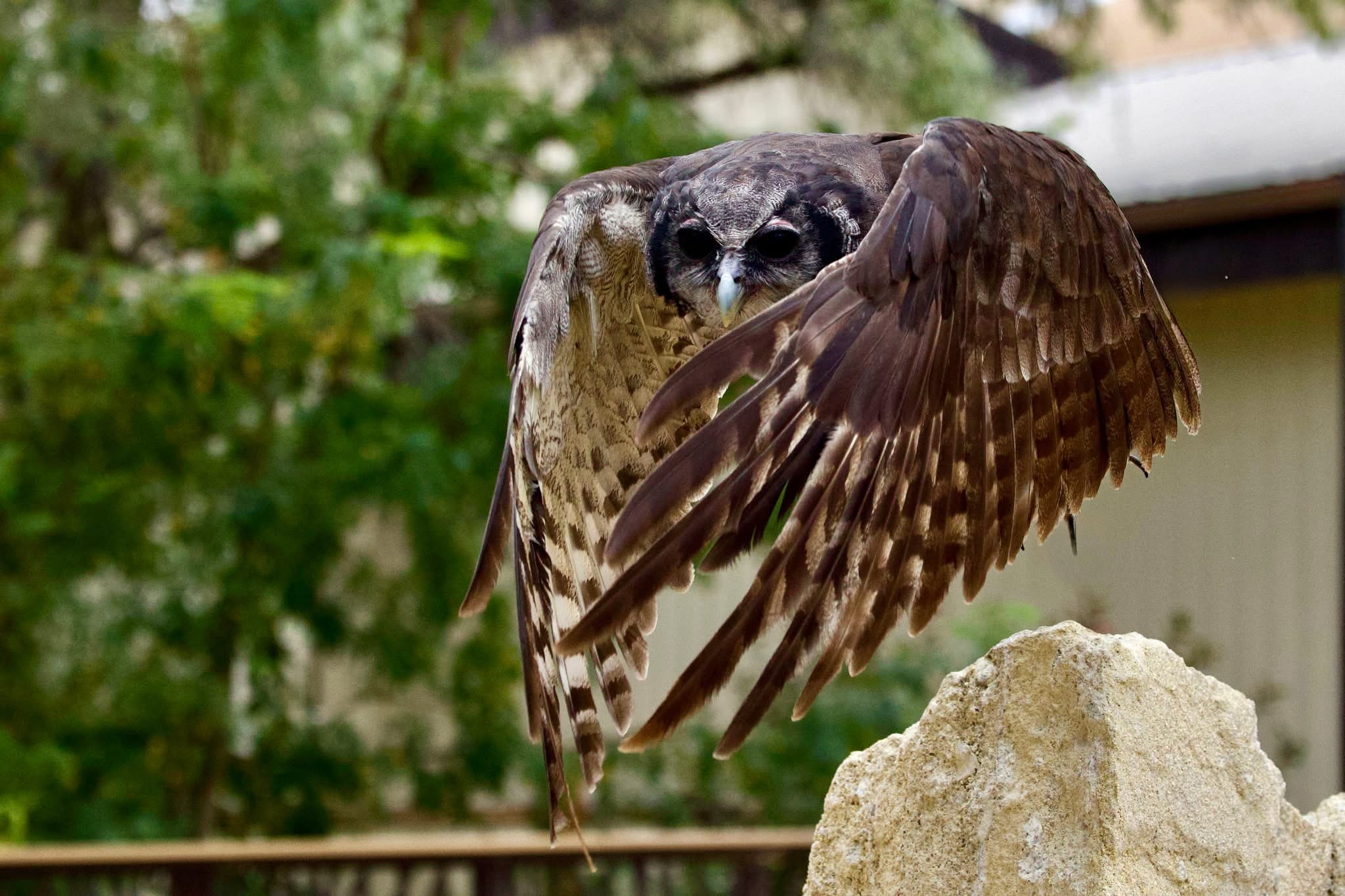
Oliver the Owl
“We repopulated a continent with Peregrine Falcons in just 30 years, doubled the population of Critically EndangeredRidgway’ss Hawks in the Dominican Republic, and identified and addressed the cause of the Asian Vulture Crisis in the mid-2000s. Today, we work across five continents on behalf of all 561 raptor species.”
Female Harpy Eagle India Ink Etching by CC Wari
I was able to meet up close with an Eagle Owl. I got there just in time for the one o’clock introduction of Oliver the Owl. Not only did they have birds of prey, but some of the local artwork within the facility was also amazing.
I realized that I needed some people contact. I looked online at the public library, and each Wednesday there is a group of crafters that meets for two hours. I took my crocheting and decided to give this a chance. I joined them and made a friend. This past Friday Eleanor and I went to the Western Idaho State Fair. It is good to have someone to hang out with.
Karen, a neighbor and friend fo Linda’s, also got in contact with me. We have visited and shared meals out. Breakfast is my favorite meal of the day. It is nice to have Karen up the street, I can walk over for a quick visit.
I have been biking and walking usually each day. When I am in need of life encouragement, being outside helps so much. I met the nicest family while cycling when I stopped at Barber Park to get a drink.
Tomorrow I am officially off cat-sitting duty. My friends arrive home from a trip to Switzerland. Misty the Not-So-Invisible Cat gets to reunite with her peeps. All will be right with the world.
It has taken Misty almost the full three weeks to decide that I am an OK person. Now she follows me around asking for pets and skritches. Cats!
Where am I going from Idaho? I am once again heading west towards the Oregon coast. I have eleven days to arrive in Salinas, CA. My next kitty sitting job awaits. Woody the Cat will need no break in period. He and I have met several times before and he is a love bug.
Elkhorn Slough
It will be nice to be back near the Elkhorn Slough. The kayak is going to get busy. Migratory season is starting so who knows what I will find out there. I love birds, and I love nature. I enjoy exploring the Monterey County area.
As I have begun to mention to others my feelings of dis-settlement and yes a mild depression, I have heard from others that I am not alone. So much is changing in my country. I try to keep politics to a minimum on this site, but there are many things that are happening beyond my control. I know the changes have a lot to do with it, yet I feel the biggest factor is the insensitivity and anger so many seem to carry around with them all the time. It generates a saddness in me that is hard to shake. Sigh.
As the season change, I am getting ready for change too. On Tuesday me and EmmyLou will be rolling west, looking for birds and other wildlife. And I will remain thankful.
Today I am thankful for Misty the Not-So-Invisible Cat. I am thankful for this big wide open country that I call home. I am thankful for all my friends who continue to love and support me as I explore my world.
Hi, I am Misty the Cat. I wanted to say hey before Janet, my pet-sitter, leaves.
Where did my Peeps go? One day a long time ago 2 weeks, my friends and family, Linda and Steve, walked out the garage door, and just like that they were gone. Where did they go? And Janet was here. Janet says my peeps went on holiday.
I remember Janet. She has been here several times. When there were other kitties and Pancho the dog living here, she came with her kitty, Elsie, and took care of all of us. I mean, really, another cat? I was not happy and hid most of the time, coming out to eat and check out the world before disappearing back into my hiding places. Janet named me Misty the Invisible Kitty. And I was pretty invisible.
I also liked to hiss and use my claws when things didn’t go my way or when I was stressed. I have given Janet more than a few swipes. I have no regrets. It is who I am.
Now, finally, I am queen of the house. Top Cat, yep, that’s me. There are no dogs. There are no other kitties. I like my life in this house and with my peeps. It is so much less stressful, and I like being Top Cat.
I remembered Janet, so I went into hiding. I even took a few swipes at her arm. The first week, she came and found me under the covers of the master bed and gave me treats, even though I growled at her.
After about a week, I decided to come out. I was getting bored and lonely. My peeps were still not back, so I decided I needed to check out Janet and the rest of the house.
Long story short, after a few days of hissing at Janet, even though she was being really nice, I decided that maybe, just maybe, I should give her a chance.
Fast forward to today. Janet and I are friends. She combs me, she scratches my chin, and I even let her pick me up once. What? How did that happen? I am not sure, but I like having all the attention. I decided that Janet isn’t half bad. I am glad she came to visit and take care of me. She even took me outside once, on a leash. I found some catmint. Mmmmm.
Janet says Linda and Steve will be back soon. I have no concept of what soon is, so I will have to believe her.
Can Janet come and take care of me and the house again? Yes, I believe she can. Maybe I will remember her and be nice from the beginning, or maybe not. I am a Cat.
When I was in Turkey and posting my photos on social media, one of my friends asked me how it felt to be there. How does it feel to be there and in these ancient places?
I have continued to ponder that question as I have been driving north for the summer.
TurkyieCroatia
Each day was filled with emotions, awe, and wonder. I was surprised how much I remembered from books I read and from my school education, regarding ancient world history. I didn’t know that those educational memories were still in my file cabinet (my brain). Wonders never cease.
When our guide would tell us that we were standing on ruins that were built in the year 300 AD, it was hard to even grasp that date except with amazement. There was wonder when I was told that I was walking on the Roman Road. “The Roman Road”?!? Oh, and lest I forget, the Roman Aqueduct. And then there was the whole story of the Trojan Horse and Troy. The Odyssey Comes Alive.
Biblical and Muslim history followed me throughout the two and a half weeks in Turkey. The Mosques were fascinating. One museum we were in had hair from Mohammed’s beard. His Beard!
I was traveling with a small group of people from around the United States and Canada. Many had traveled together on previous trips. Mary and I were new to this group of wanderers. It was interesting for me to travel with others when I am often alone in my travels. They were an enjoyable group of people. I found I had to adjust to being around people most of the time. It can be a bit overwhelming.
Thankfully, I was traveling with someone (Zee) who also needed time out from all the people and activities. We gave each other space and were able to create opportunities to be alone. It worked out well.
Below is a 12-minute slideshow from my time traveling in Europe. Enjoy.
When we arrived in Croatia, the history was a bit different yet no less fascinating and amazing. It was definitely a summer playground for the many Europeans I encountered in our travels to the islands in the Adriatic Sea.
Castles and walled cities and a wild history of battles and takeovers that dated back thousands of years continued to fascinate me. I had a little more time to explore the natural side of things, spending a day at Krka Falls and e-biking on one of the islands in another National Park. It felt good to be back in the woods and by the water.
There are all the normal words to describe feelings. At times, seeing so many new and ancient things was overwhelming. It is hard to really understand this ancient history in my day-to-day existence on this planet. All this history is included in my history and the history of mankind.. Without all of that historical background, I would not be where I am today. It is about spirit, awe, and wonder. I am so glad I had another trip of a lifetime.
Today I am thankful for the opportunities that come my way. I am thankful to be able to say yes and step out of my comfort zone to explore. I believe that travel wakes me up in an unusual way. I feel more alive, centered, and ready for the moment.
I am a non-dancing Scottish Country Dancer. I gave up dancing in 2020 due to a heel issue, Haglund’s Deformity. After struggling with it for five years, I gave in and had surgery on the heel this past January.
There will always be a part of me that continues to have the heart of a Scottish Country Dancer. I maintain my membership to the San Diego and the International Branch in Scotland. I have helped out at events. This weekend I went to the San Diego Highland Games to support the local Scottish group, to have fun, and help out at the booth.
The Highland Games are traditional Scottish sporting and cultural festivals that feature heavy athletics, piping, drumming, and Highland dancing. Originating centuries ago in the Scottish Highlands, they serve as a vibrant celebration of Celtic identity and are now held globally
I enjoyed being at the booth, speaking with people who came up to ask questions. Once in a while, a face from the past showed up. Sometimes I remembered them, and sometimes I didn’t, yet it is always fun to greet people, reconnect, and hear their stories. One man told us that he Scottish danced years ago until a heavyset dancer stepped on his foot and broke it. Ouch! (Trust me, that is a rare event)
Yesterday, two men, a father and son, showed up at our booth from the Santa Rosa Branch of the RSCDS. Santa Rosa is north of San Francisco. Ethan was competing in the solo Bag Piping event.
Look at that Blue Kilt
In 2013, I wrote a post about Jim’s kilt, a Modern Morgan plaid. I gifted it to an organization created by a good friend, Ron Wallace. Ron is a gifted dancer, musician, and teacher. This organization was created as a non-profit to help young Scottish musicians and dancers be able to outfit themselves. Instruments cost money. Kilts cost money. Often it takes time for young musicians and dancers to outfit themselves. Jim’s kilt is still helping these young men to perform in the correct attire until they can afford their own.
Today at the Highland Games, I met the “Baily Boys” a father and son, Bill and Ethan, who dance in Ron’s class in Santa Rosa, California. The son is also a piper, learning his art from Ron among other teachers.
Ron
I have not been in touch with Ron for quite some time. I took the time to ask the Baily Boys for an update on Ron’s phone number and e-mail. This is when I found out that Ethan had worn Jim’s kilt as he was beginning to perform.
Here is what I feel is odd. Jim has been gone for over thirteen years. My life has certainly taken on a new direction. Knowing that Ethan had worn Jim’s kilt brought me to tears, and my heart felt full. It was such a touching moment to learn that Jim’s kilt, like his memory, are living on.
I was surprised that knowing this one fact opened my heart. It felt like I was seeing Jim and this kilt and all those who might have used it since his death. My heart flooded open, and I felt so grateful to know that this nice young man had benefited from a kilt that I gave to this organization. It was an honor to meet him, to know he had shared a little piece of Jim and then shared it with me.
For a moment, it made me wish I could go back in time and stand next to Jim once again as we went to our next ball. Sigh. I wonder if this will ever go away. i wonder if I want it to.
Grief is such an odd thing. It seems to take so many shapes and forms. Sometimes it involves the feeling of loss. Sometimes I see that time in my life as if it was a moment so long ago and yet still so close. And, sometimes, like today, it fills me with so many emotions all at once. Love, remembrance, sadness, tears, longing, joy, a very full heart, being in the moment, and everything else in between.
And, you know, I am glad I can feel all these things. I am glad I can be brought into the moment, where the past and future and even the present seem to fade away. And for that one moment I can truly experience being here now, being in this one moment. I can once again understand and know at a core level what I had with Jim and feel grateful that I had this experience for twenty-one amazing years.
Thank you to Ethan who helped bring this moment forward. Thanks to a Modern Morgan plaid kilt that keeps on giving to me and others. There is magic in that material. Thanks to Ron who helped that kilt find a good home. And…thank you to Jim who keeps on giving my heart a tug, over time. I love him still.
Today I am thankful. I am thankful for a full heartfelt moment. I am thankful for memories that make my heart and spirit so full.
I thought I was done with the Travel Log, yet there is one more post I want to share.
Why? Dubrovnik, Croatia deserves a post all of its own. What a delightful place to end this trip.
The”Pearl of the Adriatic” situated on the Dalmatian coast, became an important Mediterranean sea power from the 13th century onwards. Although severely damaged by an earthquake in 1667, Dubrovnik managed to preserve the beautiful Gothic, Renaissance and Baroque churches, monasteries, palaces and fountains. Damaged again in the 1990s by armed conflict, it is now the focus of a major restoration program coordinated by UNESCO.
Zee and I had two full days in Dubrovnik, and it didn’t feel like enough time. This is a town of approximately 40,000 people. There was a time when the old town, which is surrounded by two walls, held the lives of close to five thousand people. Today, approximately 800 people live inside the walls.
The city walls, mostly a double line, have long been a source of pride for Dubrovnik. The walls were erected in the 16th century and run for about 6,365 feet (1.3 miles, encircling most of the old city, and reach a maximum height of about 80 feet. Along its course within its walls lie several towers and fortresses, as well as numerous historic monuments.
What is it like to live in a city this old? It’s not easy. Everything needs to be carried in by self-labor or by a little cart for a good amount of money. No cars, no scooters. I did see an occasional bicycle or push scooter, but most of it is walking.
No motor vehicles are allowed inside the walls, and, except for the Stradun, the old city is a maze of picturesque narrow streets, many of them steep and twisting.
Outside the Wall
For families that have lived within the walls, living there is easy. For others who move in from outside, life within the walls is hard and not well loved.
Beyond the walls are many gardens that surround many villas.
Interesting Sites Within & Outside the Walls
The Orphanage
One side street has a difficult history. In earlier centuries, some infants born to household maids were abandoned or harmed. Local nuns later established an orphanage to provide a safer alternative. Mothers could leave infants anonymously through a rotating basket system, allowing the children to be taken in by the orphanage.
The children would stay until they were 6 years old, and then farmers would claim them for labor on their farms. It was not always an easy life for the children.
Worlds Oldest Grafittii
The oldest graffiti in the Old Town of Dubrovnik is unique and historically significant. It was carved in 1597 on the east wall of the church of St. Rocco. The content and message of the graffiti, written in Latin, is cautionary and philosophical.
The graffiti reads: “PAX. VOBIS. MEMENTO MORI QVI. LVDETIS PIL”, which translates to “Peace be with you, remember you who play the ball will die”. This text is aimed at young football players, reminding them of mortality and the transience of life. It’s a kind of reminder that while play and entertainment are important, life is finite and every moment should be cherished.
Proposing Marriage
Proposing with an earring is a beautiful, deeply rooted Croatian custom. Traditionally, men in the Dalmatia region gifted a small pair of intricate filigree earrings to their fiancée for the engagement. Later, during the church wedding ceremony, they would gift a larger pair to signify she is a married woman
The Church of the Holy Annunciation
This church is a stunning Serbian Orthodox church located in Dubrovnik. Built in 1877, this Neo-Byzantine style church is home to a remarkable collection of icons dating back to the 15th century. The church also boasts a library with over 12,000 books, including a rare New Testament printed in Kiev in 1703.
I learned that this church allows its priests to marry. They have no confession, and although the services are two hours long, it is standing room only in this beautiful church. There were some high-backed wooden chairs along the side for the elderly and infirmed.
Quarantime
Between the 14th and 16th centuries, Dubrovnik was a key hub in the trade between the Ottoman Empire and the West. Its Lazaret, or quarantine station, was built in 1627 to isolate the ill and prevent plagues from entering the city through people on the ships entering its port.
The walls surrounding the complex were added in the 18th century following the outbreak of a deadly epidemic. Considered the most humane and efficient facility of its kind at the time of its construction, the lazaret continued to fulfill its original function as a quarantine unit until the beginning of the 19th century. After its closure, it slowly deteriorated due to lack of maintenance and damage from by salt air, fire, earthquakes, and civil unrest. Modest repairs to the complex occurred in 1969-70.
The Dubrovnik lazareti is one of the only remaining and best preserved examples of its kind in Europe, and the only example of a maritime lazaret in the Mediterranean. Its survival with a large portion of its original materials, details, shape, and structure is unusual. Most comparable structures, including the oldest ones in Milan and Venice, and smaller quarantines on the Dubrovnik islands, were pulled down after the threat of plague had passed.
What is This?
I saw these in a few of the walls. The original part was the thin straight opening. Arrows were shot through these openings in defense of the city.
Later, the round area was added when cannons became part of the defense of Dubrovnik.
The Game of Thrones
Dubrovnik was a major set for the HBO series “Game of Thrones”. It was filmed in the Old City and in areas outside of the town. I have never watched this, but Zee is a big fan. Here are some of the areas you fans might recognize.
The Walk of ShameFt LovrijenacThe Iron Throne
E1 series Racing
And finally into the current day. The E1 Series was in Dubrovnik while we were there. The E1 Series is the world’s first all-electric powerboat championship. Often called the “Formula 1 of the sea,” it combines sustainable marine technology with high-speed racing in iconic global cities.
It was fun to sit with other people to watch the races. I enjoy coming across unexpected events such as this.
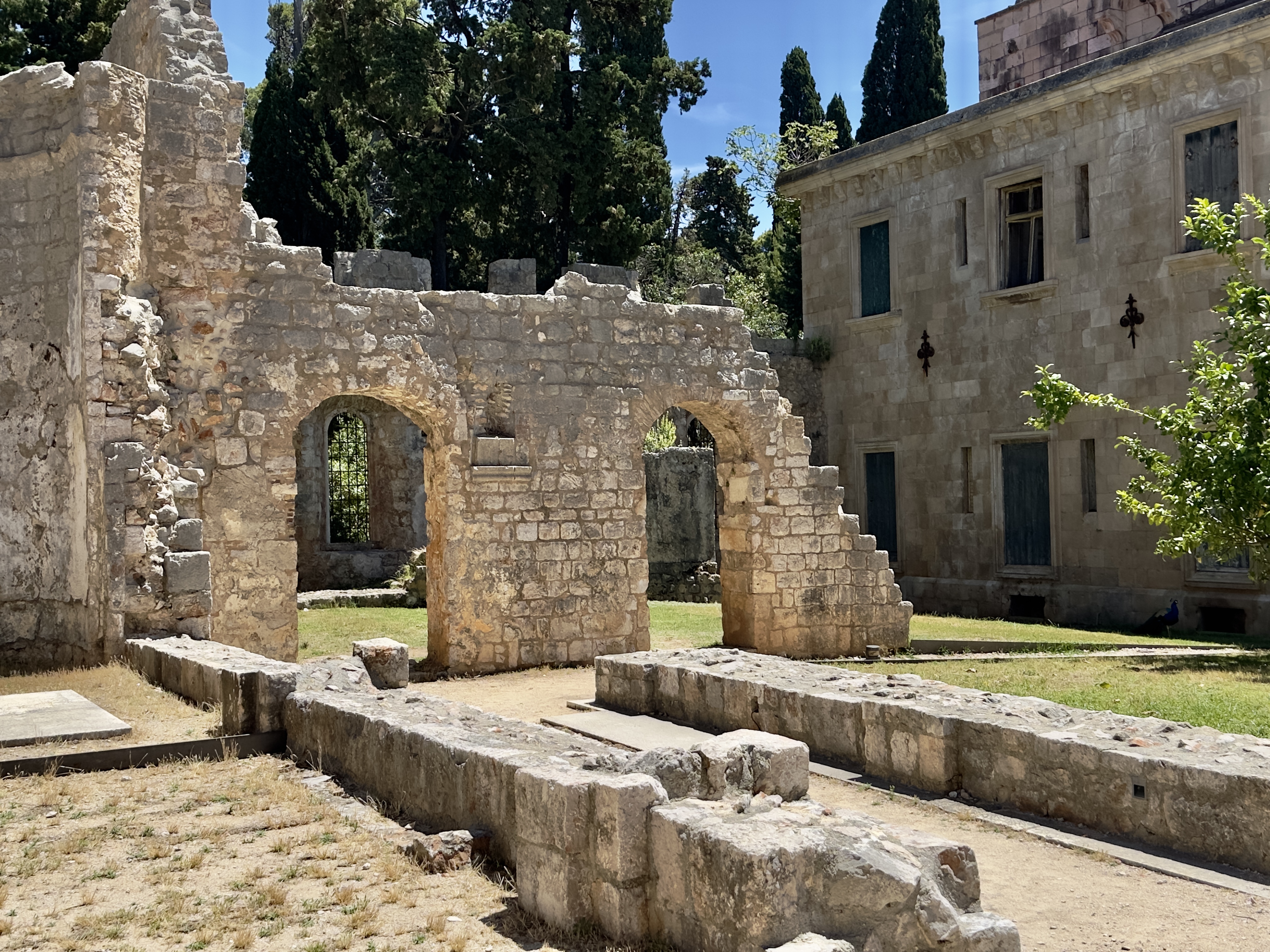
Before we went to the airport, Zee and I took one more ferry to Lorkum Island. It was a short ride. The island is part of the history of Dubrovnik. Lokrum Island is a small, lush nature reserve located just off the coast of Dubrovnik. It is famous for its Benedictine monastery ruins, wild peacocks, and the “Dead Sea” (a small, salty lake for swimming). The island is also a popular Game of Thrones filming location.
And just like that, it was time to go to the airport. It was time to say goodbye to Croatia. Both of these countries, Turkyie and Croatia, were hard to leave behind. Maybe I will be back again someday.
Currently, though I returned to the United States twenty-four hours ago, late in the evening. And a wonderful holiday is over. As long as I can, there will be other adventures to discover.
One more Croatian Island to go. After leaving Hvar, we moved on to Korčula, another unique Croatian town and Island. I felt like I had walked into the movie set for The Lord of the Rings. True towers, a drawbridge, battles from the ramparts, pirates, and more.
Compared to Hvar and several other places I visited, Korcula was quiet. There were tourists there, but not in the numbers I had seen in many of the other parts of Croatia.
Korčula has been inhabited since prehistoric times, as evidenced by Stone Age finds from Vela Spila near Vela Luka, now part of the Vela Luka Culture Center’s collection. In the 4th century BC, the Greeks founded a colony on Korčula and called it Korkyra Melaina or Black Korčula. Under their rule, the island was called Korkyra Nigra. The attribute “Melaina” or “Nigra” this beautiful island owes precisely to the lush Mediterranean vegetation, primarily forests of holm oak and pine.
The island of Korčula is almost completely connected to Pelješac by the Pelješac canal. The town of Korčula is among the most beautiful and best preserved medieval towns on the Croatian coast and in all of the Mediterranean, and is justly referred to as “Little Dubrovnik.” It still has the appearance it had at the turn of the 16th century – the same stone towers, walls, and the same fishbone structure of the streets.
Korčula’s town planners took into consideration both functionality and perfect harmony with nature – the streets are lined so that the refreshing wind from the west can pass, while the cold winter winds from the northeast (called bura) are blocked.
We started our exploration of Korcula with a walking tour of the “Old Town”. Old town, of course, means within the fortress walls. Our guide was very informative. The creation of this town was planned well.
The steps are a later creation. There used to be a drawbridge where the steps are today. If the enemy came, they drew up the bridge. If you enlarge the photo by clicking on it, you can see the holes in the tower where the ropes were for the drawbridge.
The streets of Korčula’s Old Town are designed in a brilliant geometric herringbone pattern. Built in the Middle Ages by the Venetians, this layout acts like natural air conditioning, controlling the wind and the sun to keep the town comfortable.
How the Herringbone Design Works
Central Spine: A single main street divides the old town, running straight along the top of the island’s ridge.
Western Streets: The streets on the town’s western side are laid out in straight lines. This lets the refreshing summer breeze, called the maestral, blow straight through the town and cool the houses.
Eastern Streets: The streets on the eastern side are slightly curved. This curve blocks the fierce, cold winter winds, known as the bura, from rushing through the city and freezing the homes.
Other unique features of this town are included below.
Hidden Plumbing: The houses are built in long, parallel blocks. The fronts of the houses face the streets, while the backyards and wastewater canals were cleverly hidden in the middle of the blocks.
Narrow and Shaded: The side alleys are incredibly narrow. This provides deep shade during the hot summer months, ensuring the sun never hits the ground directly.
Stepped Alleys: Because the town sits on a small hill, almost all the side streets use steps to help you climb up and down easily.
Arches Across the Alleys: You owned a small home. If you wanted to expand and acquired the home across the street, an arch was built to connect the kitchens.
The Kitchens & Bathrooms: To prevent fires, the kitchens were on the top floor. The bathrooms were on the first floor.
The Street of Thoughts: There is one notable street running along the southeastern wall, without any steps. Local history says it was called the “Street of Thoughts” because walkers did not have to stare at their feet to watch for stairs.
Korcula Old Town, Within the Walls
Unique in its design, the system still had some flaws. The town was once home to close to 1,000 residents. They lived there for protection and community. Today, approximately 300 live within the city walls. Why? Look how narrow the streets are. No cars can come into these streets. That means you have to carry everything in and out of the walled city. There are steps everywhere; only one street has no steps.
While we were exploring the old city, we climbed the bell tower at the Korcula Cathedral. The stairs were not for the weak of heart. The view from the top was breathtaking. I hoped the bells did not ring while I was up there.
Climbing the Cathedral Tower.
The StairsMary Going Down
One evening we went to the west side of the walled city to have dinner and see the sunset. People seem to do that a lot here. It was not disappointing.
Sunset View
On the second full day, we took the ferry, a 35-minute ride, to the island of Mljet. One of Croatia’s National Parks is on the island. With a bit of trepidation, along with Mary, I rented an E-bike to bike the park. After a few practice runs up and down the main street, I was ready to go.
Mljet National Park is a large area that borders two saltwater lakes. The Lakes stretch for about 4 kilometers. Right in the middle of the Large Lake, there is a small island/islet, Melita (Sveta Marija), with a large building of the former Benedictine monastery, erected there in the 12th century. The monastery’s building is now a café/restaurant. The small island is connected by boats that sail there from both sides of the Lake.
Miljet National Park.
Old World SwallowtailCommon Brimstone Butterfly
The Benedictine Monastery is now a restaurant. You flag them from the mainland, and they send a boat over to pick you up. It was early, so we pushed on.
There was a small steep bridge we needed to cross with our bikes. Up, Up. Down, Down. Have I told you how heavy E-bikes are? Our very own angels showed up. They easily lifted the bikes up and down while Zee and I followed behind.
The bridge is fairly new. At one point, Tito moved to the island with the Monastery. He tore down the original bridge to gain full access to the ocean and bring in supplies. After he left, the new bridge was built.
The National Park was cool, quiet, and unhurried. It took us about 3 hours to bike the park. I enjoyed stopping and looking at all the Butterflies on the thistle and lavender.
Upon our return to the ferry port, we found a cool place in the shade, met this lovely woman from Switzerland, and chatted until the ferry returned us to Korcula.
Today we say farewell to the islands and return to the mainland. Back to the big city, Dubrovnik. Well, not quite the big city, as Dubrovnik has approximately 40,000 residents. I am not quite done exploring yet. We have two full days to explore before returning to Istanbul and the flight stateside. Oh, what a trip it has been.
Time on the islands of Croatia never feels long enough. With the warm sunny days and the beautiful blue Adriatic Sea, it feels like I could spend more time on each of the islands I have visited. But wait…there are more islands to visit. I guess I will have to return.
A true hedonism has been present on the island of Hvar, ever since the time of sumptuous Roman villas, springing from the walls of Renaissance summer houses, and, despite all the challenges of island life, it slips even today into the reveries of modern nomads who enjoy the splendor of Hvar, where, 157 years ago, organized European tourism began.
As one would expect on an island, the history of Hvar has been broadly shaped by outsiders, each invading force leaving its mark, resulting in a rich cultural, archaeological, and architectural legacy.
The earliest signs of civilization on Hvar date back to Neolithic times and the so-called Hvar Culture of 3500 – 2500 BC.
Given its prominent position on a busy sea route, it is perhaps surprising that the island was not settled earlier than 384 BC, when the Ancient Greeks founded the settlement of Pharos (modern-day Stari Grad). The Ionian Greeks, the Parans, were in search of a base for military and trade expansion, and the deep bay at Pharos offered the best protection.
The first recorded naval battle in the Adriatic took place just off Hvar, with the Greeks successfully taking on the native Illyrian tribe of the Liburni.
With the decline of the Syracuse Empire, Pharos enjoyed a brief period of local rule under Demetrius of Hvar, who kept the Romans at bay until they finally smashed the walls of Pharos in 229 BC. The Romans used the island as a strategic and logistical base, keeping their boats in the protected bays of the Scedro and the Pakleni Islands. Roman holiday houses sprang up in the bays close to fresh water, most notably in Hvar, Stari Grad and Jelsa. Archaeological finds confirm that the islanders were engaged in wine growing, fishing, and trade.
There is little recorded about Hvar after Roman rule, but the island, along with the surrounding islands, was under the Croatian state of the Neretljani in the early Middle Ages before being briefly occupied by Venice in 1147. This was only temporary, however, as Croatian-Hungarian King Bela III managed to bring Dalmatia under his rule.
The Venetians were back in 1278, having been invited back by the islanders looking for protection from the pirates of Omis. One of the early changes the Venetians introduced was moving the central administration from Stari Grad to Hvar, and the new center became a regional administrative center for Hvar, Vis, and Brač. A plan to build walls around the town and monastery was initiated in 1292.
Venice’s rule was far from secure, and the island’s noblemen rebelled in 1310. Hvar’s rulers changed several times (Croatian-Hungarian kingdom, Bosnian kingdom, and Dubrovnik) before, along with the rest of Dalmatia, a more protracted period of Venetian rule from 1420 to 1797.
Hvar became the main Venetian port in the eastern Adriatic, but was under constant threat of attack from the Turkish fleet, which controlled the mainland near Makarska. A devastating Turkish naval attack in 1571 under Algerian commander Uluz Ali in 1571 laid waste to Vrboska, Stari Grad and Hvar.
Hvar prospered under Venetian rule and was known for wine, lavender, olives, rosemary, fishing, and boatbuilding. More than three centuries of Venetian rule came to an end in 1797, when the Austrians briefly took over before being themselves usurped by the French. The Russians bombarded Hvar in 1807 in a period of general instability and warfare in Europe, until the Austrians retook control in 1813, a rule that lasted into the 20th Century.
Austrian rule was stable and brought prosperity, most notably in the development of health tourism on the island, with the founding of the Hvar Hygienic Society in 1868. The oldest meteorological station in Croatia was also established in 1858. Austrian rule also brought infrastructure improvements to the island, including the rebuilding of all the ports, the construction of new lighthouses, the reclamation of malaria-infested marshland, and the construction of a road connecting Jelsa to Pitve and Vrisnik in 1907.
The Italians were back in November 1919, occupying Hvar once more after fierce fighting, an occupation which lasted until the 1921 Treaty of Rapallo consigned the island to membership of the Kingdom of Serbs, Croats and Slovenes, later the first Yugoslavia and then the Socialist Federal Republic of Yugoslavia.
Hvar’s latest (and one would hope permanent) change of master occurred on January 15, 1992, when Croatia was recognized as an independent state.
The former Yugoslav army (JNA) attacked Croatia in July 1991, and Hvar was blockaded the following month. The main effects of the blockade were shortages of foodstuffs normally brought from the mainland, such as flour, and a lack of access to hospitals and other medical services.
A ceasefire was signed, and the navy left Sucuraj territorial waters on December 3, 1991.
St Stephens Square
The situation on the ground in the mainland was dire, with large tracts of Croatia occupied. A steady stream of refugees had to be housed, and a logical supplier of beds was Hvar, devoid of tourists due to the conflict. Refugees, particularly from the front-line town of Vukovar, began to arrive by boat.
The refugee situation deteriorated in 1992 as Croatia took in numerous refugees from the brutal war in Bosnia and Hercegovina. The effect of traumatized refugees replacing affluent tourists was twofold: a severe reduction in revenue and a severe increase in wear and tear in the hotels.
A UN fact-finding mission in August 1992 found that there were 624 displaced persons and 3,727 refugees on Hvar, of whom 1,323 were in private accommodation, the rest in hotels. Usually closed in winter, most of the hotels had no heating installations, which caused problems for the new temporary residents.
With the demographic balance upset in both directions – an increased population during the winter and a decrease in the summer due to a lack of tourists – the hotels were full year-round, which had a negative impact on the condition of the buildings.
The absence of many paying visitors had a devastating effect on the island’s economy, leading to the closure of many cafes and restaurants.
The cafes & restaurants closed due to a lack of electricity (from the occupation of the Peruca dam, the source of hydroelectric power) and difficulties obtaining necessary goods such as coffee, milk, etc., from the mainland. Many of Hvar’s male population were drafted into the defense forces on the front line near Zadar, where one man from Stari Grad was killed, and many more returned suffering from PTSD.
Thankfully, both Hvar and Croatia have recovered well from those dark days. A highly successful marketing campaign under the slogan, Croatia, the Mediterranean as It Once Was, proved very effective, and a new generation of tourists joined the returning older generation to discover the magic of the Adriatic. Hvar was named one of the 10 most beautiful islands in the world by Condé Nast readers back in 1997, and it has never looked back. Major investments in the town’s hotels and the upgrading of cultural treasures such as the Arsenal and the oldest public theatre in Europe has meant that Hvar is once more a major luxury tourism destination on the Croatian coast.
HvarThe FortressFortress on the Hill & HvarSt Stephen’s square
A trail from Hvar leads to Napoleon’s fortress, built in 1812 on top of a 230-meter-high hill above the town of Hvar. Today, Napoleon’s Fortress is home to the Hvar Observatory. The research office is dedicated to astrophysics and has the largest star telescope in Croatia with a one-meter mirror. The trail from Hvar leads along a narrow, steep path through a beautiful pine forest to Napoleon’s Fortress. The fort offers a beautiful view of the town of Hvar and many nearby islands, such as the Pakleni Islands, Vis, Brač, and Solta.
We did not have time to visit this fortress while we were there. The stairs looked daunting, and we had excursions while on the island. I would go back just to explore this Fortress.
The first evening included a sunset sail and swim. The water was not as warm as I expected. Our captain told us to give it a few more weeks, and it would be warming up for the influx of tourists in the busy season, July and August.
Our first full day, we took a high-speed boat tour to the outer islands, including the island and town of Vis.
In 397 BC, Dionysius the Elder, ruler of Syracuse, founded the colony of Issa, known today as Vis.
And like many other posts on my blog since my arrival to Turkyie the history of Vis is of the rise and fall of empires.
Much like the surrounding islands and area, Vis fell to French and then Austrian control. However, following the Battle of Lissa in 1811 (between the British, the French, and the Venetians), British bases were established on the island, including George’s Fortress. As part of the Austrian Empire, Vis became a naval base and was strategically important in a sea battle between the Austrians and Italians in 1866 (with Croatians making up a large number of the sailors on Austrian ships).
Look at that Blue WaterThe Town of VisChurch of Our Lady of the Pirates
During World War II, Vis was the hiding place of partisan/resistance leader Josip Broz Tito, who became leader of Yugoslavia after WWII. During this war, Vis was also a major base for British and Allied troops – there is a British military cemetery on the island. Allied fighter planes were also based there.
A sign in front of a cave on Vis marking the fact that Tito – leader of the Yugoslav Partizan resistance movement during World War II – stayed and worked here in 1944
After 1945, Vis was closed to tourism by the Yugoslav army as it was used as a major naval base. The pictures below show bunkers on the island. They also had a hidden water bunker for any captured submarines.
It was reopened to foreigners only in 1989 and was part of Croatia, which gained independence in 1991. All the navy/military buildings on the island were abandoned at that time, although many of them can be visited today – including the cave in which Tito ‘hid’ in during World War II.
It was a full day of traveling and swimming. I took time in the evening to do what so many others do in Hvar. I walked the waterfront, and people watched. Hvar felt very much like a Mediterranean seaside resort. Don’t misunderstand me, there was so much history here to unravel and understand. But sitting in the main square and on the walkways on a Saturday night was truly a fashion extravaganza. Women were dressed in long luxurious summery gowns, and the men were in full suits. It was such a parade. I enjoyed strolling, sitting, and watching as the parade of people unfolded before me.
The last full day on the island, Zee and I went on a guided kayaking tour. Crossing the main channel from Hvar to the Pakslinski Islands was rough. Waves were coming in one direction, and the wind was blowing from the opposite direction. Big ferries and boats came zipping past. I was pretty exhausted by the time we arrived back in Hvar later in the day. It was quite the ride. Once again, we had this knowledgeable young guide with us who knew so much about Croatia’s history.
Our Day Kayaking the Pakslinski Islands
After a busy time on this island, we had to say farewell. There was so much to see here and the time felt short. But wait…There are more islands to visit, so sadly we had to say farewell to this island and the people who made it so special.
I realized today that in each place we have visited in Croatia, I have met the nicest people. They are from all over the world. It has helped that most have spoken English. Most people in Croatia begin learning English in grade school.
Enjoy the travel log; as my trip comes to a close, there will be only a few more posts. I hope that you have enjoyed the photos and stories of this trip.
It is hard to believe that we are winding down this wonderful trip to Croatia. The coast of Croatia is beautiful. Each day the sun comes out, the water sparkles many shades of blue, giving us (Zee and I) the time to explore and discover new things.
We remained on Brač in the town of Bol for one more full day. Finally, we had time to wander for a full day. This town was quaint and unhurried. First we walked in one direction and then in the other, discovering interesting sites along the way.
These photos capture part of our walk to the church and the Dominican Monastery Museum.
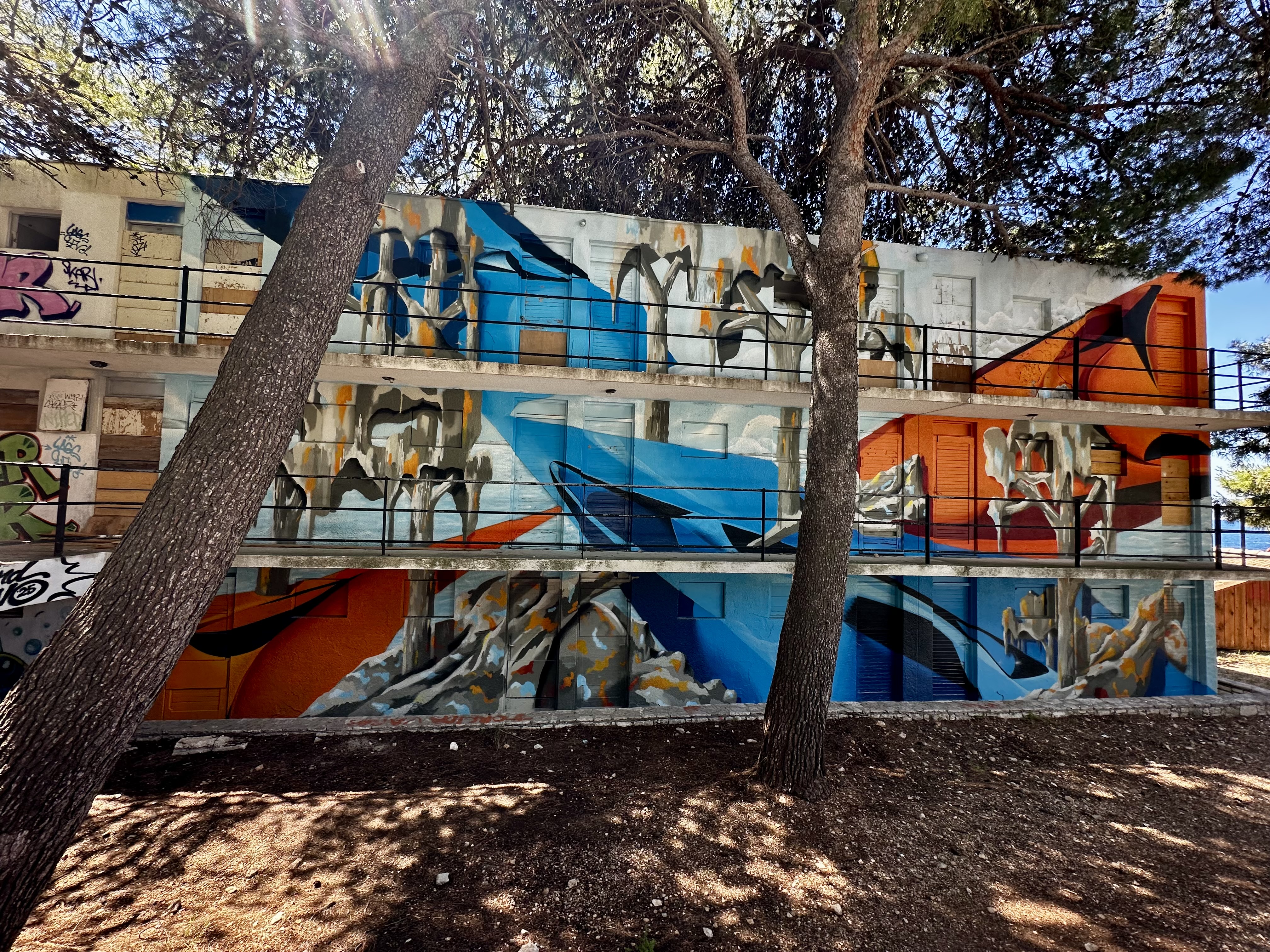
On our way to the Dominican Monastery, we came across this abandoned hotel.
It sits perched above a small pebbly beach on the eastern edge of town and enjoys uninterrupted vistas across dazzling azure waters to the wooded hills of Hvar, just to the south.
You can’t stay there, sadly. It was abandoned when tourists stopped coming to the island of Brać during the Balkan Wars.
In the early nineties it was used to house refugees. But when the war ended, and they moved on, it was stripped of anything valuable and left to fall into disrepair.
There’s always talk of it reopening. But a dispute with the Dominican Monks in the nearby monastery is complicating negotiations. The hotel had originally been a Dominican school, you see, and the monks were forced to sell it by greedy Communist officials keen to turn a quick profit.
The murals are painted by artists who gather here every July for Graffiti Na Gradele.
For five days each year the hotel becomes a hive of activity.
Streets artists come from all over the world to paint over last year’s efforts and create new masterpieces of their own. There are workshops for local kids, Hip-Hop concerts and even rap battles.
And then the hotel goes silent again.
The Dominican Monastery museum in Bol is one of the largest and wealthiest museums on the island of Brac. The Dominican Monastery is located on the east side of Bol, on the Glavica peninsula. It was reopened to the public in 2021, harmoniously blending modern design and cultural and historical treasures.
Next to the Dominican monastery is a church of St. Mary of Mercy, built and rebuilt at various stages throughout the 16th century. It received its present-day Baroque form in 1641. The main altar, dedicated to the Blessed Virgin Mary, is the work of the world-famous Venetian painter Jacopo Tintoretto. The authenticity of the painting is confirmed by records of the monastery archives, which describe the acquisition of this precious painting in detail.
Then we walked in the other direction. We discovered Wind-surfers, and learned that this area is a place where championship windsurfing competitions are held. Competitors arrived from all over the world to compete.
The following morning we drove across the island of Brasc to meet the ferry. Our time on this lovely island had come to an end and we were off to Hvar. Tomorrow Hvar. I promise.
But not before we met up with one more of the feline population.