I am sitting in the Mercedes Benz waiting area in Medford, Oregon. I pulled up my WordPress Dashboard and discovered I have not posted since the third week in July.
I realized I needed a break from posting on my blog. I wanted to just enjoy my travels and visits with friends. Yet it feels like it is time to catch up. I will create several posts over the next few weeks. I will share with you some of the interesting places I visited. These include Vancouver Island, The Sunshine Coast, British Columbia, and the Pacific Northwest.

I have been on the move. I left my house sitting gig at Qualicum Bay behind. I moved to the west side of the island and the Pacific Ocean. I spent three days kayaking out of Secret Beach near Ucluelet. It was rainy and misty and very quiet.
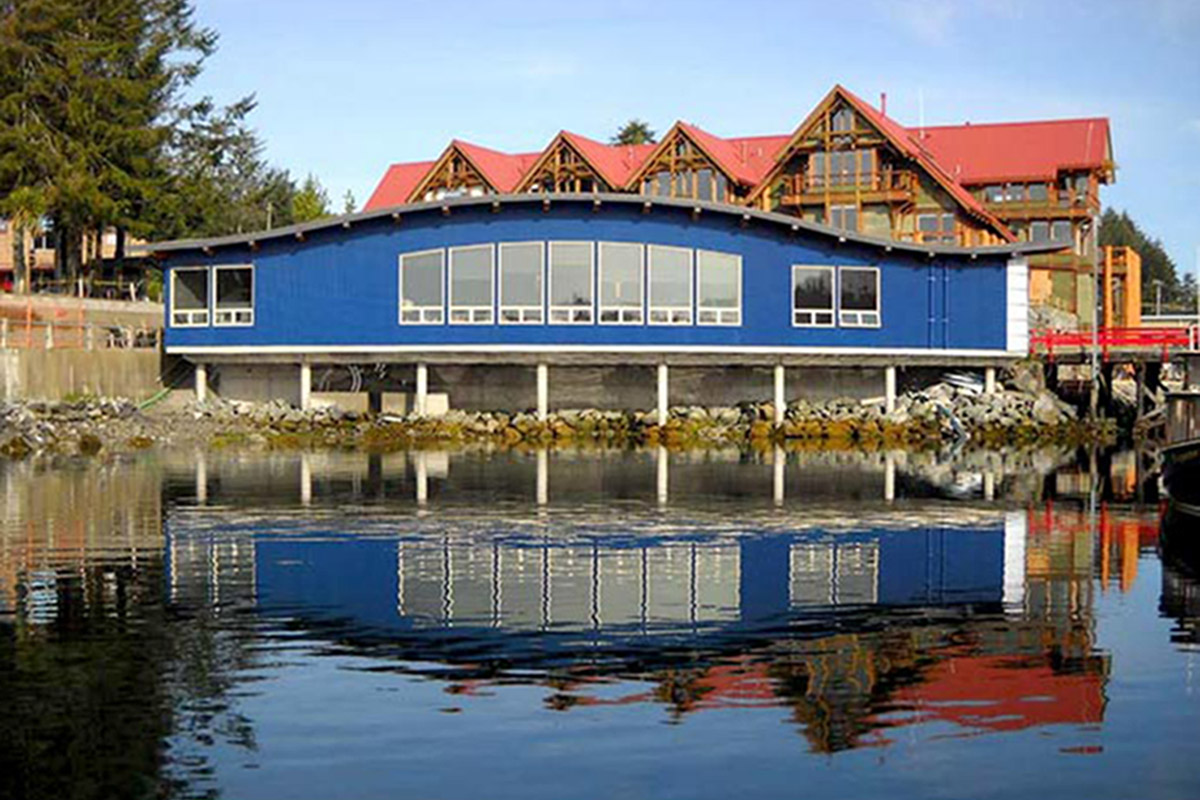
The Uclulet Aquarium was my next destination, to explore a small but mighty Collect and Release Aquarium.


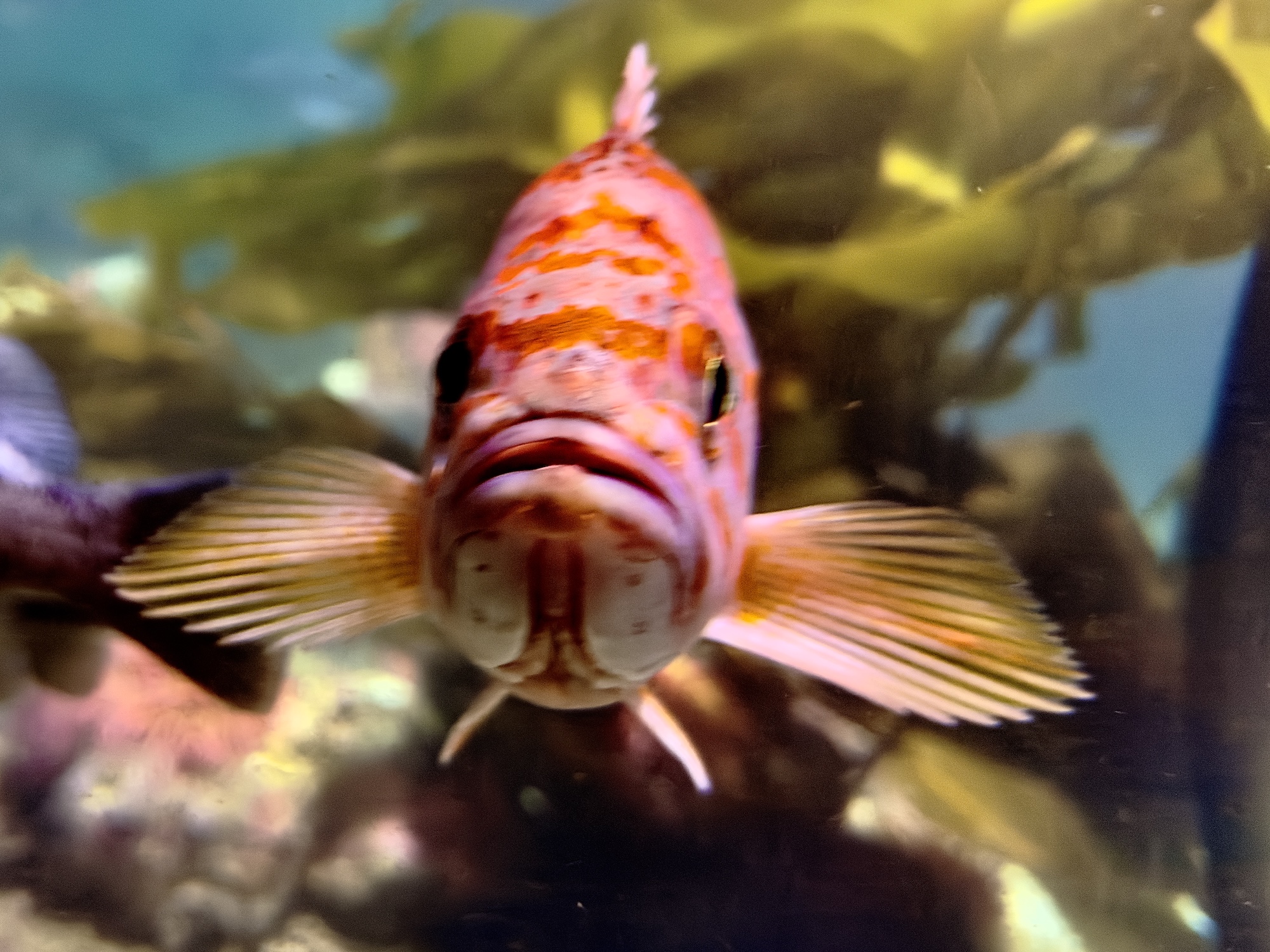
Ucluelet Aquarium
In 2004, the Ucluelet Mini Aquarium was opened as a pilot project on the Ucluelet waterfront. Philip Bruecker conceived it as an alternative to large modern public aquaria. Its focus was solely on local species, interactivity, and open display of infrastructure. Most importantly, it employed a “collect-and-release” model. This approach released specimens back to their home habitats each autumn. This pilot project proved popular and the not-for-profit Ucluelet Aquarium Society was formed to oversee and grow the aquarium.
The new Ucluelet Aquarium opened its doors in May of 2012. Designed by Blue Sky Architecture and built by local tradespeople, the aquarium has proved popular with residents and visitors alike. The aquarium now attracts international attention.

Collect-And-Release: How it works
1. Application for a Permit
Before we begin collecting, we must first apply for a collection permit from the Department of Fisheries and Oceans Canada (DFO). The permit dictates which animals we are allowed to collect, how many, and where from.
2. Collection
Our exhibits are recreations of habitats from Barkley and Clayoquot Sounds. We collect with a mix of scuba diving, seine nets, traps (crab, prawn), snorkeling, and low-tide gathering. Weather can be pretty unpredictable in February so collecting can take anywhere from a couple of weeks to over a month. The GPS location, species, water conditions, and weather conditions are all recorded so that we can return the animals to the right place when it’s time to release them.
3. Transportation and Acclimation
A major benefit of collecting locally is that the transportation time from the collection site to the aquarium is minimal. Once at the aquarium our staff compare the water conditions from the collection site to the conditions at the aquarium and make sure that the animals are properly acclimated.
4. A Brief Visit
Most of the animals in the aquarium visit for around 9 months. Others, like our giant pacific octopus, spend 3-4 months. Still others, like most of our perch species, stay for roughly a full calendar year. The time spent in the aquarium varies between species depending on their unique needs, seasonal migrations, and growth patterns.
5. Veterinary Inspection
Before any of the animals can be returned to the wild they need to be inspected by our veterinarian and declared healthy. And it’s not just the fish that get a check-up – crabs, urchins, sea stars, even scallops get inspected too!
6. Release Permit and Release
A special permit from DFO is required before we can let any animals go back into the wild. Once approved, we take the animals, rocks, sediment, and seaweeds back to their collection sites.

Flow-Through System
The water in our exhibits is drawn from right outside. This makes the transition to and from the aquarium easier for the animals. Any changes in oxygen, temperature and salinity that happen outside will be happening in the aquarium as well.
The water pumped through the aquarium is full of life. From microscopic algae to sea slugs and baby crabs, these tiny animals are a key part of the aquarium. Some of this life (plankton) feeds our filter feeders (barnacles, scallops, plumose anemones and more) and some of it settles in our tanks and grows. These settlers include urchins, scallops, hermit crabs, shore crabs, tunicates, anemones, tube worms, and so much more. At then end of the year our release list is much longer than our collection lists.
This was an amazing stop on an interesting summer. There was a Giant Octopus in the Aquarium. It had been in the aquarium for four months and had tripled in size during its stay. I visited on a Friday and they were planning its release the following Sunday. The water in the Bay and the Aquarium tanks would slowly become too warm for this cold water creature.


The staff both volunteers and paid staff were amazing. Their wealth of knowledge and their willingness to share it with the public was amazing. I will never see barnacles or rock fish the same again. I learned so much about the sea life while I was there. The enthusiasm of everyone there made me want to return again and again.
I enjoy the discovery of the unique and unusual. I really like visiting museums and aquariums. The Ucluelet Aquarium surpassed all my expectations. The next trip to Vancouver Island will give me the opportunity to visit this aquarium again. Each visit will be different as the release and collect each year. How fun.
Today I am thankful for good friends that live in beautiful places in this world. I really enjoy the local recommendations and this one did not fail to meet expectations. Today I am thankful for the wild oceans. I am thankful for all the large and small things. These things keep our world a lively and wonderful place to learn.
Today I am thankful.
 Journeys of Thankfulness