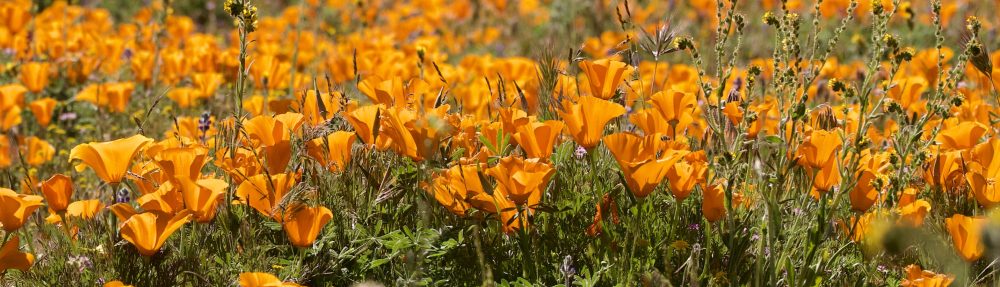

People ask me how I find my campsites. I am not a planner, I never know where to end my day. I usually settle in somewhere by three thirty in the afternoon so I have time to enjoy where I am camping.
I have been traveling across big states. Most states look big for this gal from Delaware. I have been driving through Oklahoma forever. Well, not really but it feels that way. This is the heartland country. There are miles and miles of fields broken up by cattle yards. It is often a flat and unbroken country. Similar to the TransLabrador Highway it is a big, lonely country. More people and traffic are in these states than on the highways in Canada.
Often I try to find somewhere to camp that can break up the monotony of the day’s drive. One way to find a campsite is to look for water on a map. If there is a lake or large river often campgrounds are close by. In Oklahoma, I found a lovely state park, Salt Plains State Park. This state park was a relief after a day’s drive.
Salt Plains State Park is one of Oklahoma’s most unique state parks. The barren landscape of the nearby Salt Plains National Wildlife Refuge is comprised of salt leftover from an ocean that covered Oklahoma in prehistoric times, and the saltwater lake in the park, Great Salt Plains Lake, is about half as salty as the ocean.
A selenite crystal dig area is open for a limited season nearby. Located just under the surface of the salt plains, these crystals usually form into an hourglass shape. Oklahoma is the only place in the world where the hourglass-shaped selenite crystal can be found.

There were campsites available near the lake and below the dam on a park on the North Fork of the Arkansas River. I chose the river and am glad I did. The sites were right on the water and the view was marvelous. There was shade and my neighbors were nice and helpful. I could easily take my bike out for a ride and enjoy the prairie in a different way.
Before I pointed EmmyLou west I took time to do the driving tour of the refuge. It was a bit early for the migratory bird population. It was quiet on the refuge.
Currently, I am bird watching and photographing birds. When I decide to indulge in one of my passions I look for camping nearby. I spent three nights at the Bosque del Apache Wildlife Refuge, about two hours south of Albuquerque, New Mexico. There is an RV park a mile outside the Refuge, Bird Watchers RV Park. Billy wants to sell it and there have been rumors that it is closed but each time I visit the Bosques it remains open and convenient for wildlife viewing on the refuge. Nature certainly overflows the refuge and I had many quail come visit me during my stay.

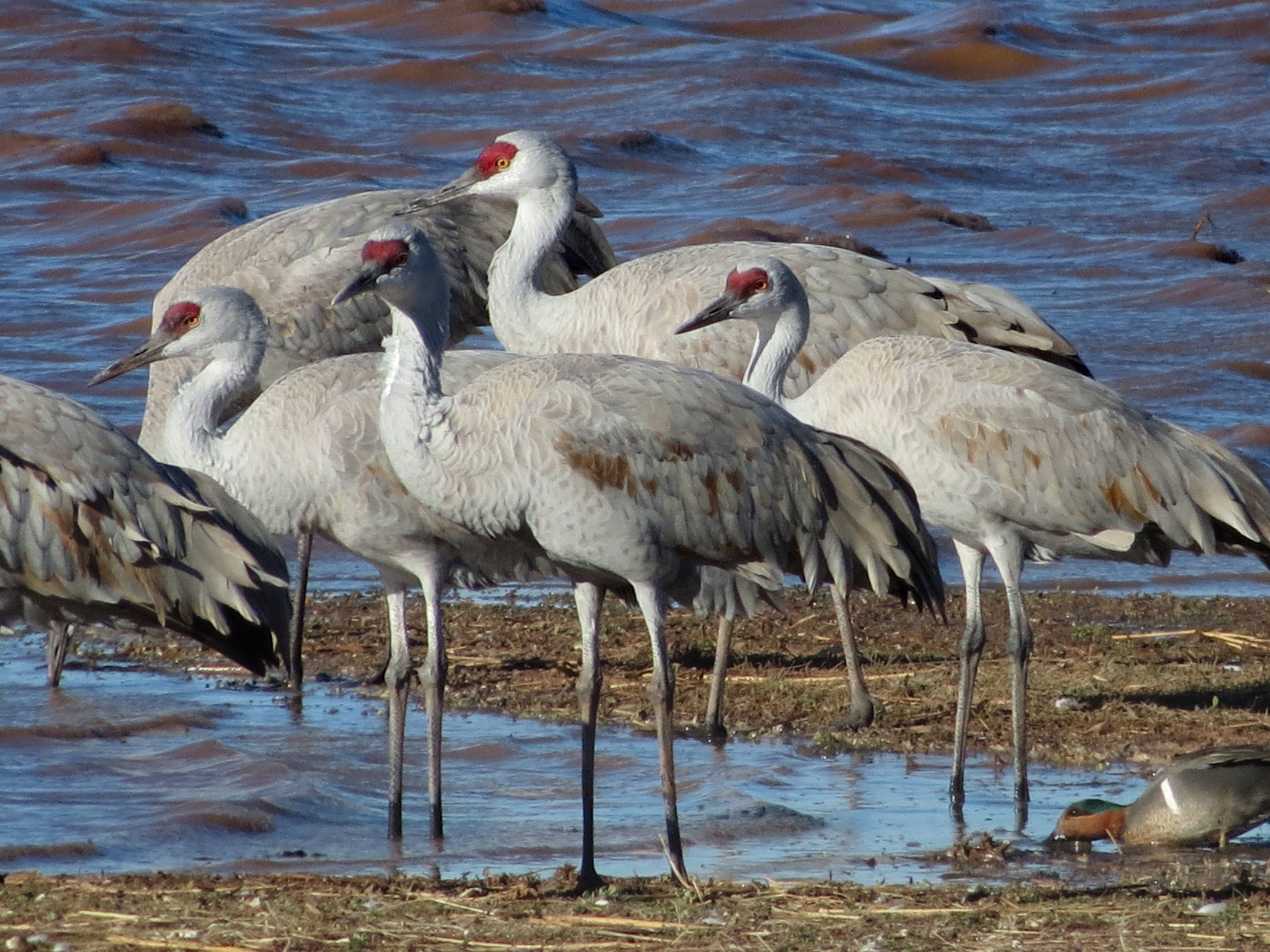
The sandhill cranes are migrating south. I love these birds. By winter the Bosque will have thousands of cranes, snow geese, and many varieties of ducks that winter on the refuge. It was early in the season so the large amounts of birds had yet to arrive but I saw enough cranes to make me and my camera happy.
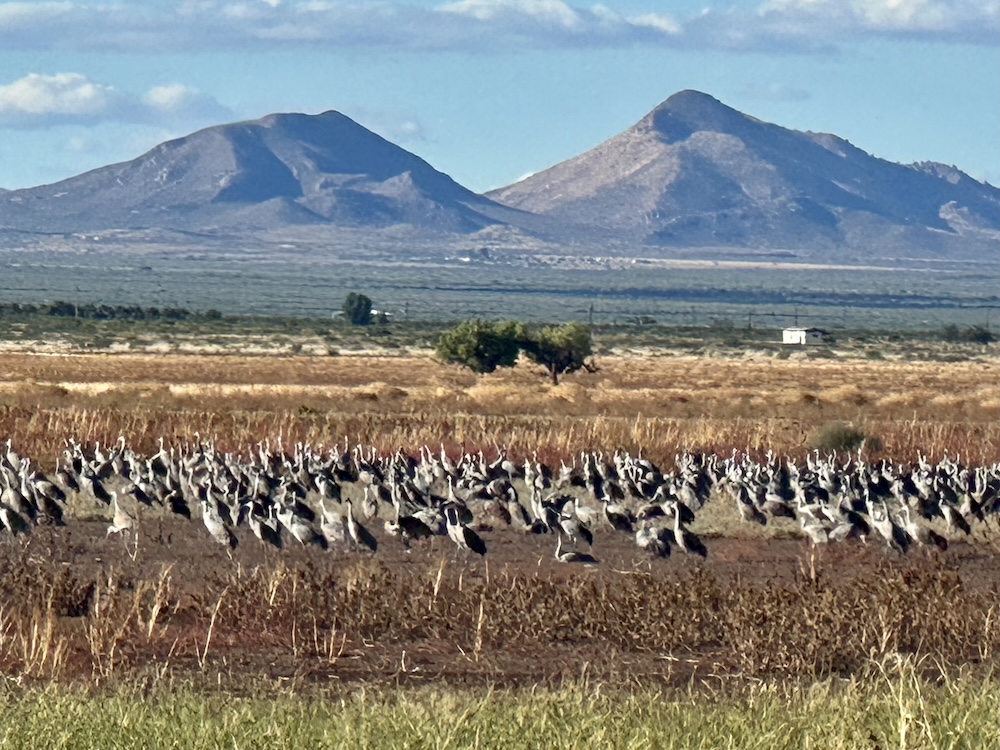
Now I am camped at Whitewater Draw Wildlife Refuge in southcentral Arizona. One of the many nice things about this refuge is that I can camp right in the parking lot. Since the cranes often depart before sunrise it is a quick walk to observe these marvelous birds. Again, it is early in the migration here. At the moment there are about 400 cranes on the refuge, by winter there will be over seven thousand in the refuge and twenty-three thousand in the Wilcox Valley.
From here it will be a few days drive to San Diego and settling into a campground for a few months. It is time to say hello to good and dear friends, the Pacific Ocean and get all things medical and dental done.
Finding unique and interesting places to camp and visiting Wildlife refuges along the way helps to break up the drive across this vast country. I especially like State, County, City, and Federal Lands to camp on. They are often interesting places for me to explore.
Today I am thankful that our Governments have set aside interesting places for me to visit and camp. Today I am thankful that I can feel safe traveling and camping.
Today I am thankful.




 Journeys of Thankfulness