Kindness” is a type of behavior marked by acts of generosity, consideration, rendering assistance, or concern for others, without expecting praise or reward in return.”
Spending time with friends is essential to me. Friends can be people I know or meet along my journey with EmmyLou (my RV) and people already in my life.
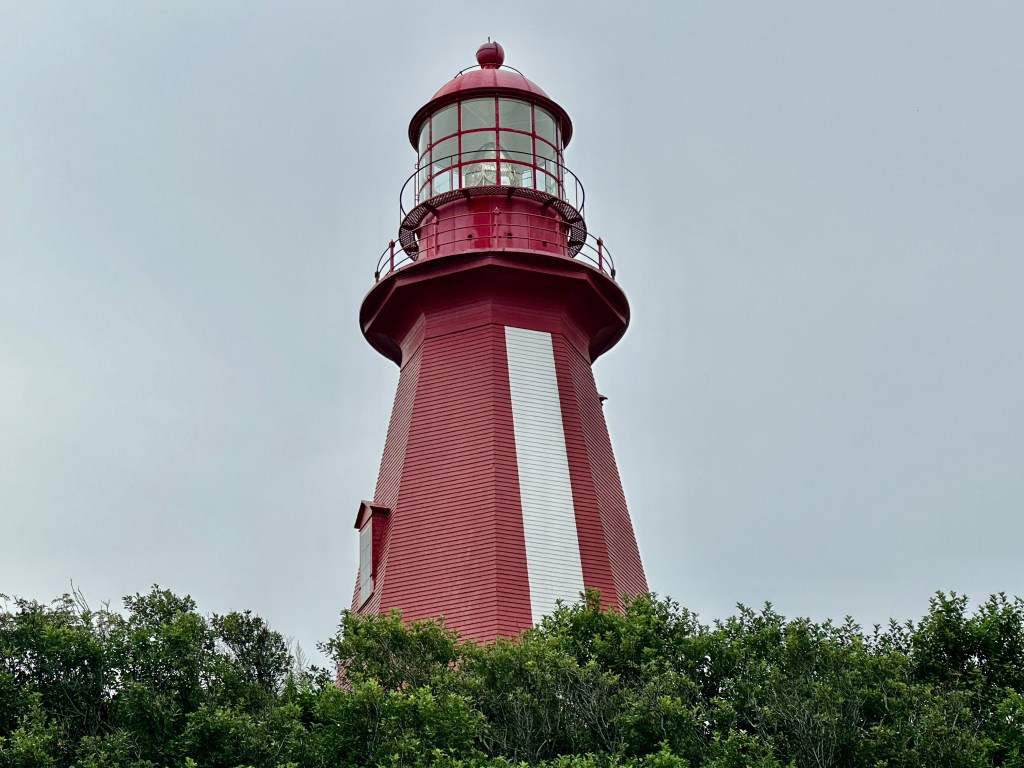
Recently, I spent time with a friend, and we talked about the kindness of people. She stated that people in Canada were kinder than in the United States. I believe that kindness crosses borders without thought of the country.
I believe that people are inherently kind. When I have needed help, invariably, someone has come to my aid. I have had help from strangers, fellow RV’ers, and from friends. I have never felt alone and helpless because someone has always offered me help, a place to stay, a shower, company, sometimes a voice at the other end of the phone, and so much more.
I know there is always an example that can show how people are kind or unkind, helpful or unhelpful. Yet, I believe most people worldwide are inherently kind and want to help and befriend others in their time of need.

Early on this RV journey, just as I went full time, I made a stupid mistake and drove when I was tired. I drove over a boulder in a Box Store Parking lot, and when I backed off, I pulled my front fender off. I do not handle this kind of situation well. Thanks to my good Roadside Assistance plan, they could send a mechanic to help. While this person was arriving, a couple in a BIG RV came over, and with everyone’s assistance, the bumper was secured to the rig. The next step was to get it fixed. Enter a stranger with a Roadtrek (the RV brand). When she found out where I needed to go to get the front end fixed (her hometown), she offered me a place to stay for the week and picked me up from the dealership. Mary and I have become strong and good friends since then.
Not all my experiences have been that dramatic, but time and again, I have encountered the kindness of strangers and friends. We might not share similar beliefs or ways of life, but we all share the willingness to help, offer compassion, and be kind.
Kindness does not come without some preparation in one’s life. As I was researching for this post, I found the information below, and it made me pause and think about how I can learn to be kind and encourage others to be kind.
“How to Be Kind: 6 Ways to Be Kind”
Written by MasterClass
“Focusing on kindness can help make you a better person, encouraging you to be more generous and patient with the people around you. Here are a few tips for how to be kind in your life.
Give others the benefit of the doubt. Judging people and situations prematurely without having all the facts is easy. Remember that other people can go through difficult times just like you. If someone mistreats you or ignores you, there may be a hard battle in their life that’s making it more difficult to be kind, whether it’s a mental health challenge or a bad day. Be kind by giving them the benefit of the doubt rather than jumping to conclusions and getting upset.” Oooh, this is an essential thing for me to remember.
“Identify your biases. Sometimes, you may have unconscious obstacles to your empathy that prevent you from practicing unbiased, true kindness. Think about the small decisions you make and whether you may have prejudices. Consider taking an unconscious bias course to learn how to overcome these biases so you can be kind to everyone—regardless of gender, race, sexual orientation, ability, or other characteristics.
Practice gratitude. Kindness can stem from the feeling that you have enough of what you need—tangible items (like food or income) or intangible things (like respect or love). To help yourself become a kinder person, regularly practice gratitude to remind yourself of all the good stuff you have.” And this leads to Self-Compassion.
“Start with self-compassion. Being kind to everyone in your life includes being kind to yourself. Remember to prioritize your physical and emotional well-being and employ the same kindness techniques on yourself for friends, family members, loved ones, and others. Your self-care tactics may include complimenting yourself to boost your self-esteem, treating yourself to an activity you enjoy, or encouraging yourself to take time each day to relax and unwind.
Think about how others want to feel. The “golden rule”—you should treat others the way you want others to treat you—is a great place to start when performing kind acts. However, a valuable variation can help increase the effectiveness: think about what others ask for and treat them the way they want. Everyone has different preferences and love languages, and sometimes, what they wish to differ from what you would like in the same situation. To spread kindness, make a conscious decision to meet their needs. For example, if you know your partner prefers acts of service over gifts, try to perform a small service (like offering to clean up) rather than giving presents, even if you prefer to receive gifts.
Try random acts of kindness. Random acts of kindness are the good deeds you do without prompting or expecting something in return. These can be simple acts that help people in small ways. For example, you may let a stranger ahead of you in the grocery store checkout, pay for someone’s cup of coffee, bake brownies for a struggling friend, reach out to someone who seems lonely, or send a kind note to your coworker’s inbox. Small acts of kindness are a simple way to remind others they deserve love, and they can encourage others to do the same for the people around them, generating a far-reaching positive impact.”
Whenever I experience kindness from people, I want to put myself out more for others. Maybe that is the benefit of empathy and compassion. We experience it, which encourages us to reach out to others and learn more about compassionate understanding.
Today, I am thankful for all those moments of kindness and support from others. Today, I am grateful for this cross-border experience. Today, I am thankful to allow contemplation on such a rich, deep topic.
Today I am thankful.







 Journeys of Thankfulness