Exploring the Rainforest and Totem Poles of Haida Gwaii: A Unique Adventure

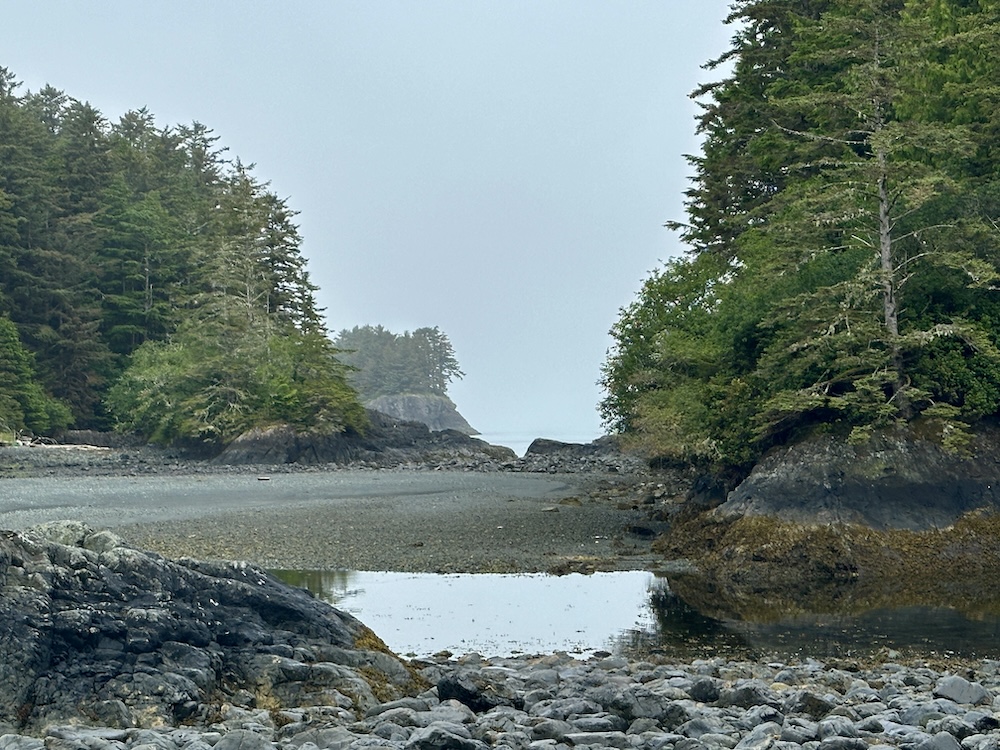
I have been in the wettest rainforest that I have yet to experience. I am on the Island of Haida Gwaii in British Columbia. It is west into the Pacific Ocean, further west than the Continental United States. And…it is wet!!! They experience approximately one hundred days of sunshine each year. It is wet! In case you don’t yet know, it is moist here. One day, when rain was expected, the sun came out instead. The people on the Island said they had a bonus day.

First known by the Haida as Xhaaidlagha Gwaayaai or “Islands at the Boundary of the World,” these islands are more commonly known as Haida Gwaii, or “Land of the Haida.” The area represents more than 3,600 islands in all, with an oral history that can be traced back 7,000 years.

“Haida territory encompasses parts of southern Alaska, the archipelago of Haida Gwaii, and its surrounding waters. The pre-contact population of Haida was in the tens of thousands in several dozen towns dispersed throughout the islands. During the time of contact, the Haida population fell to about 600 due to introduced diseases, including measles, typhoid, and smallpox. Today, Haida comprises over half the 4200 people living on the islands.”

In 2018, I spent a month on Vancouver Island, exploring Vancouver Island in depth. While there, several people asked if I was going to Haida Gwaii. I told them no. The idea of a trip to Haida Gwaii began to percolate, and now, six years later, here I am.

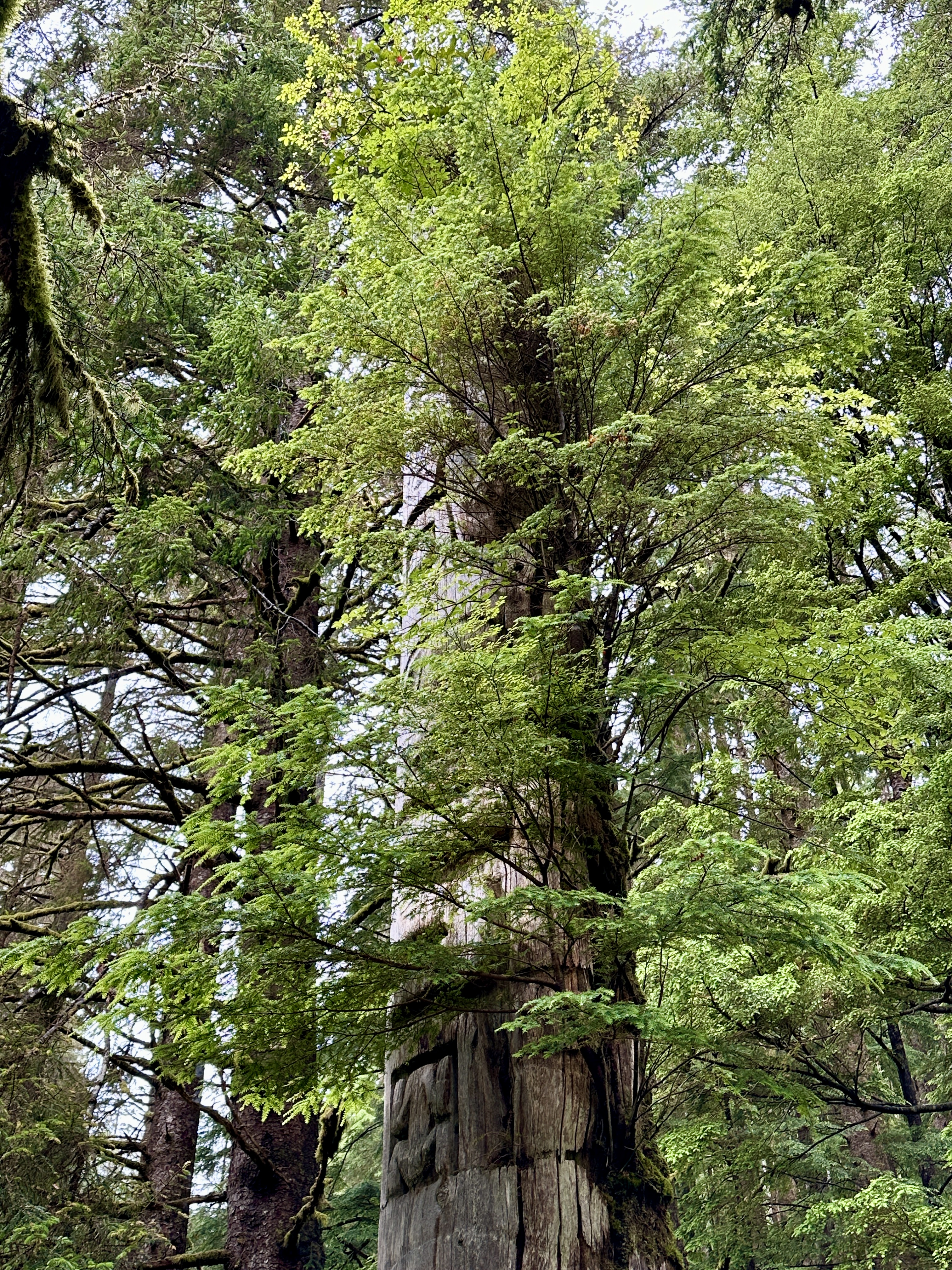
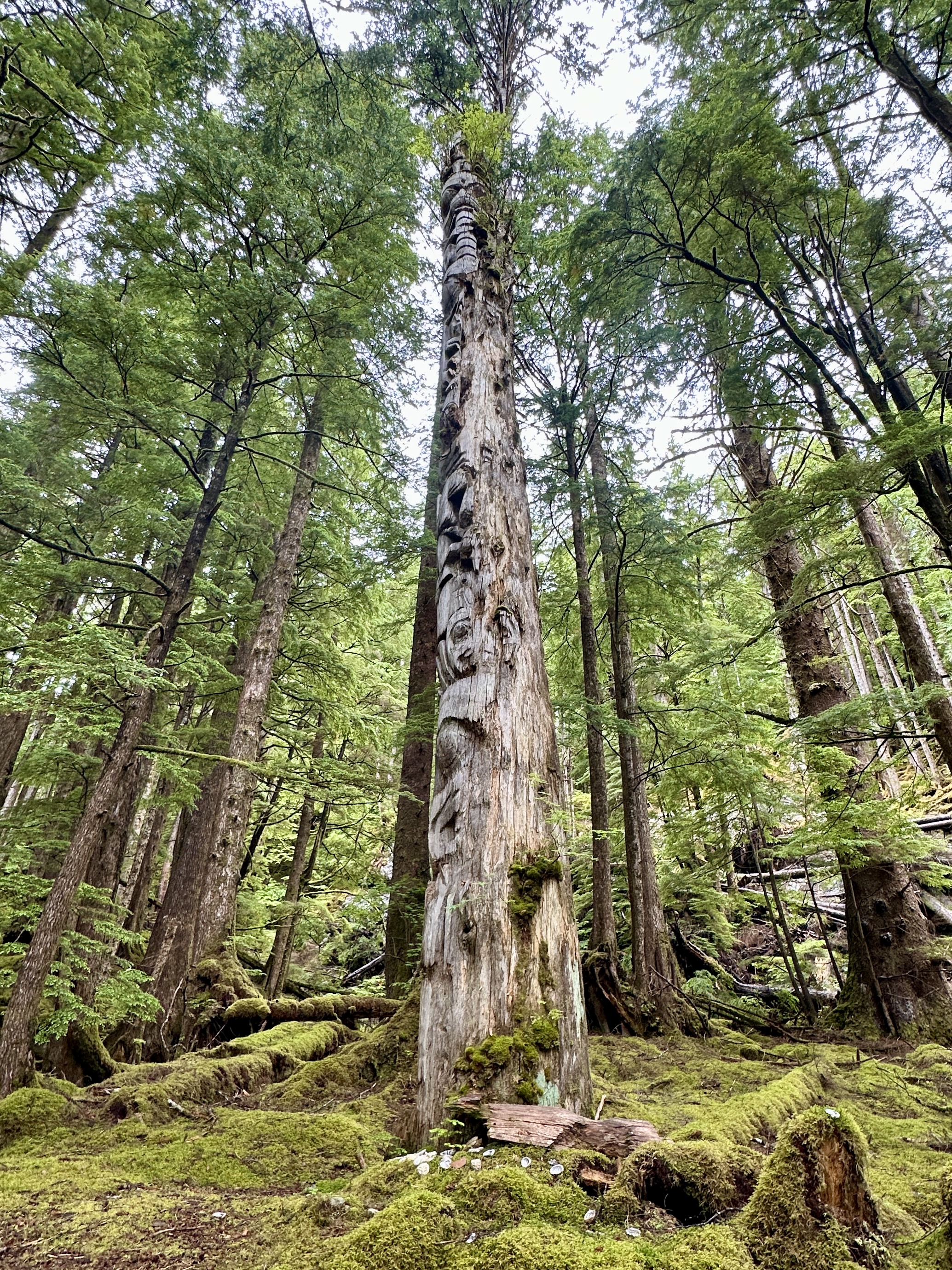
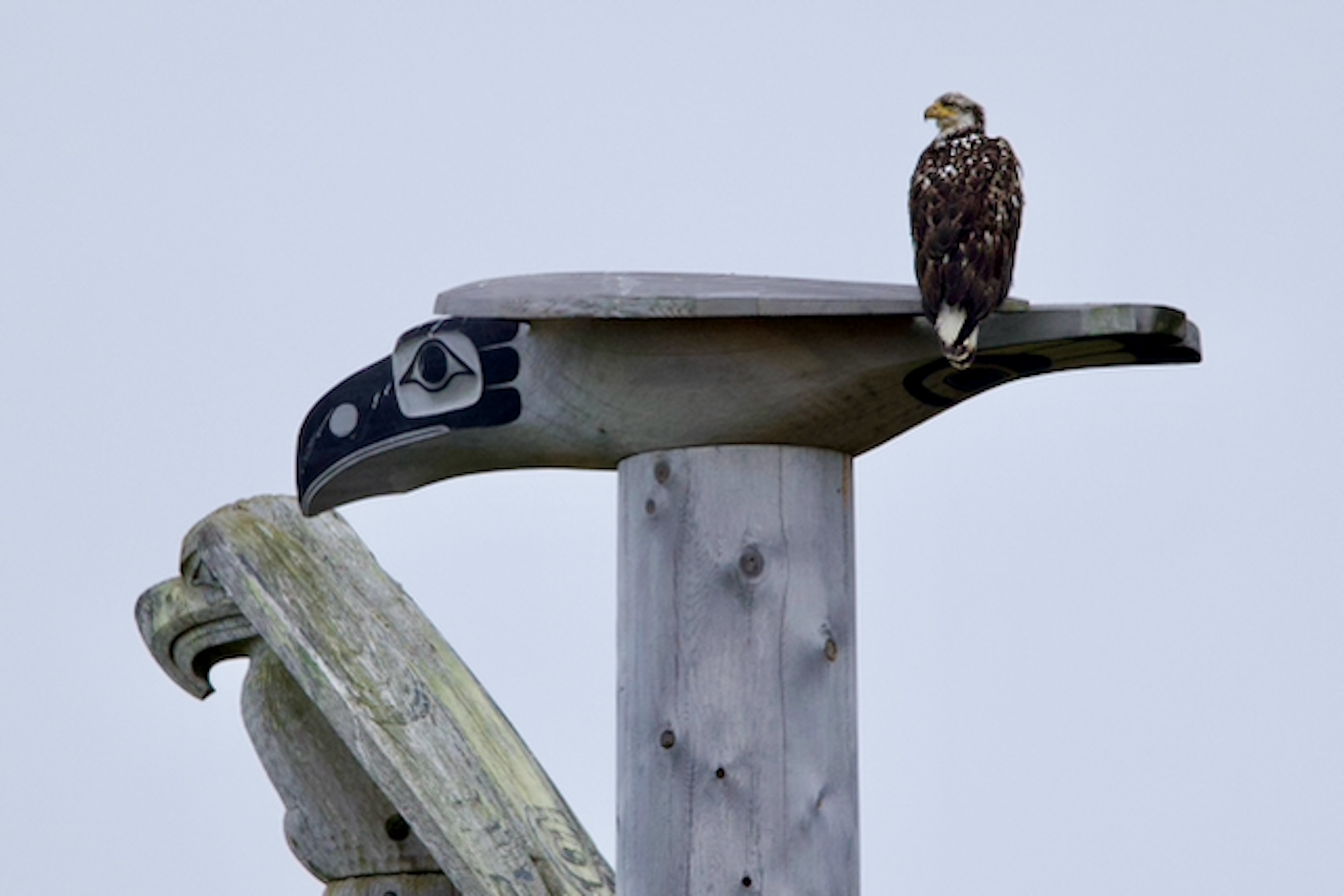
Why come to Haida? It is remote and rugged, surrounded by water and a rainforest. I wanted to learn the history of the First Nations People who live here. I came to see totem poles. Hiking in the Rainforest is magic. The people are welcoming and kind. Since canceling my trip to Alaska, I wanted an interesting destination in place, so I did not regret the un-trip to Alaska. And….I love to ride ferries (it took three long rides to arrive here).

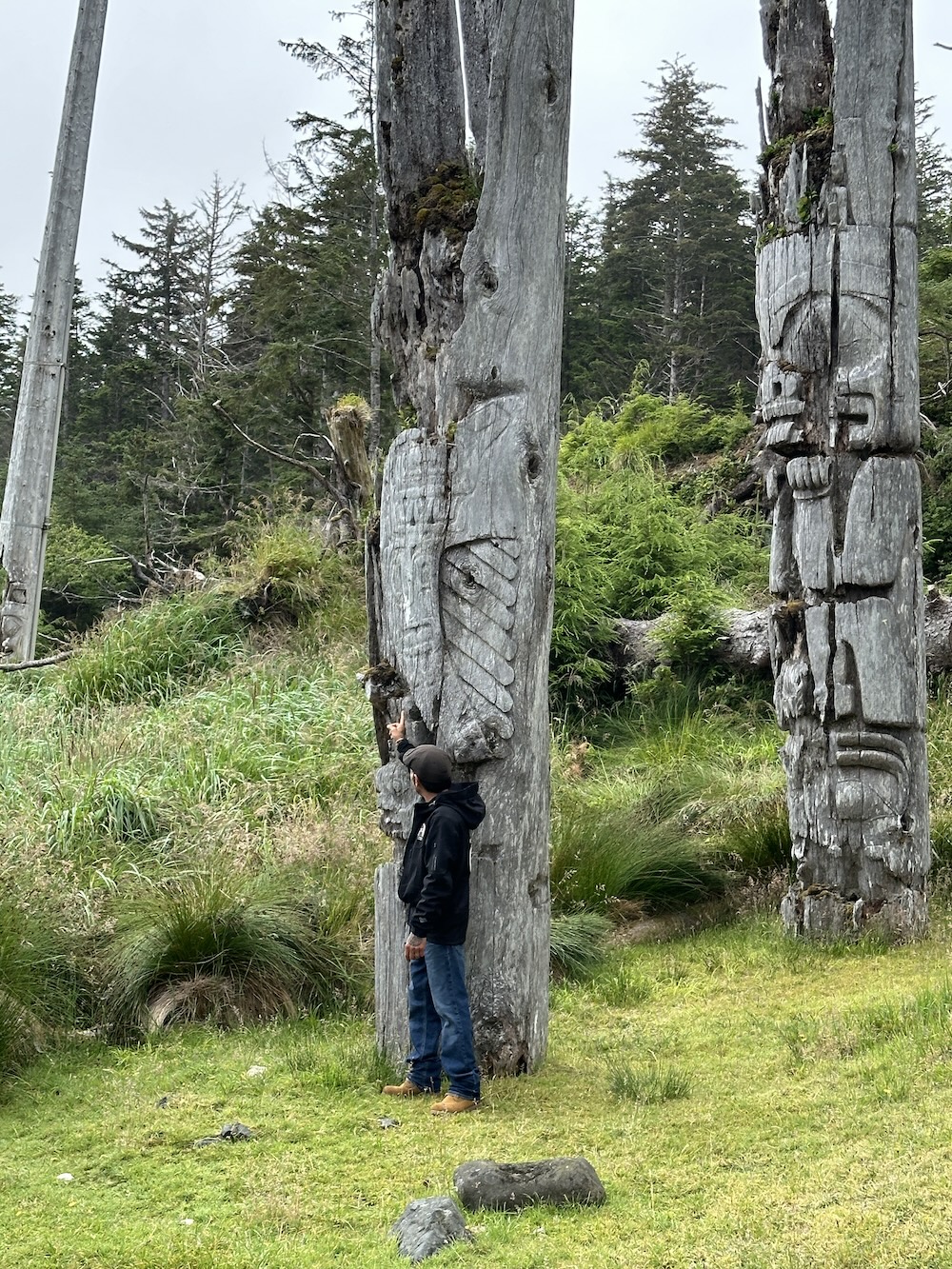
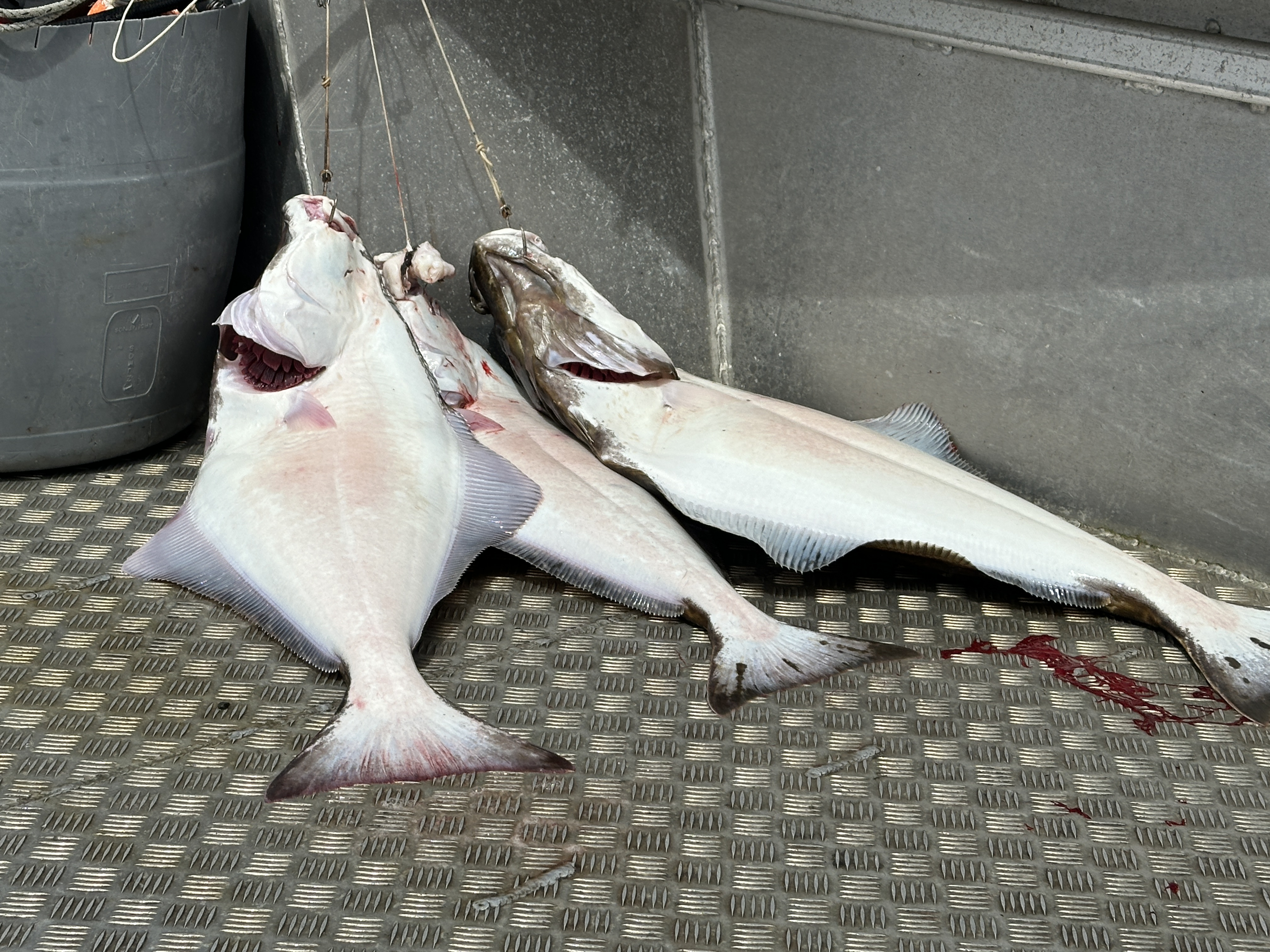
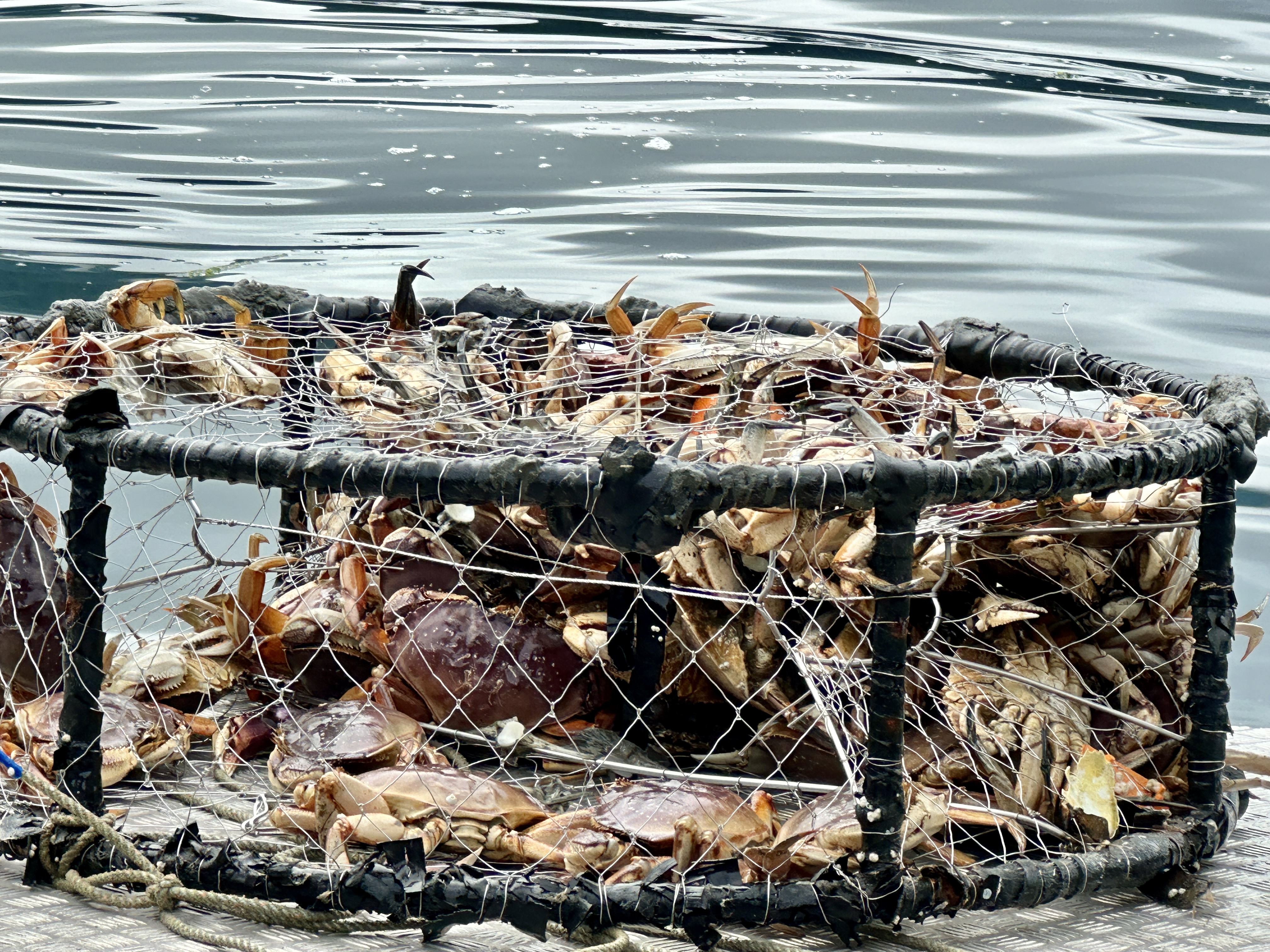
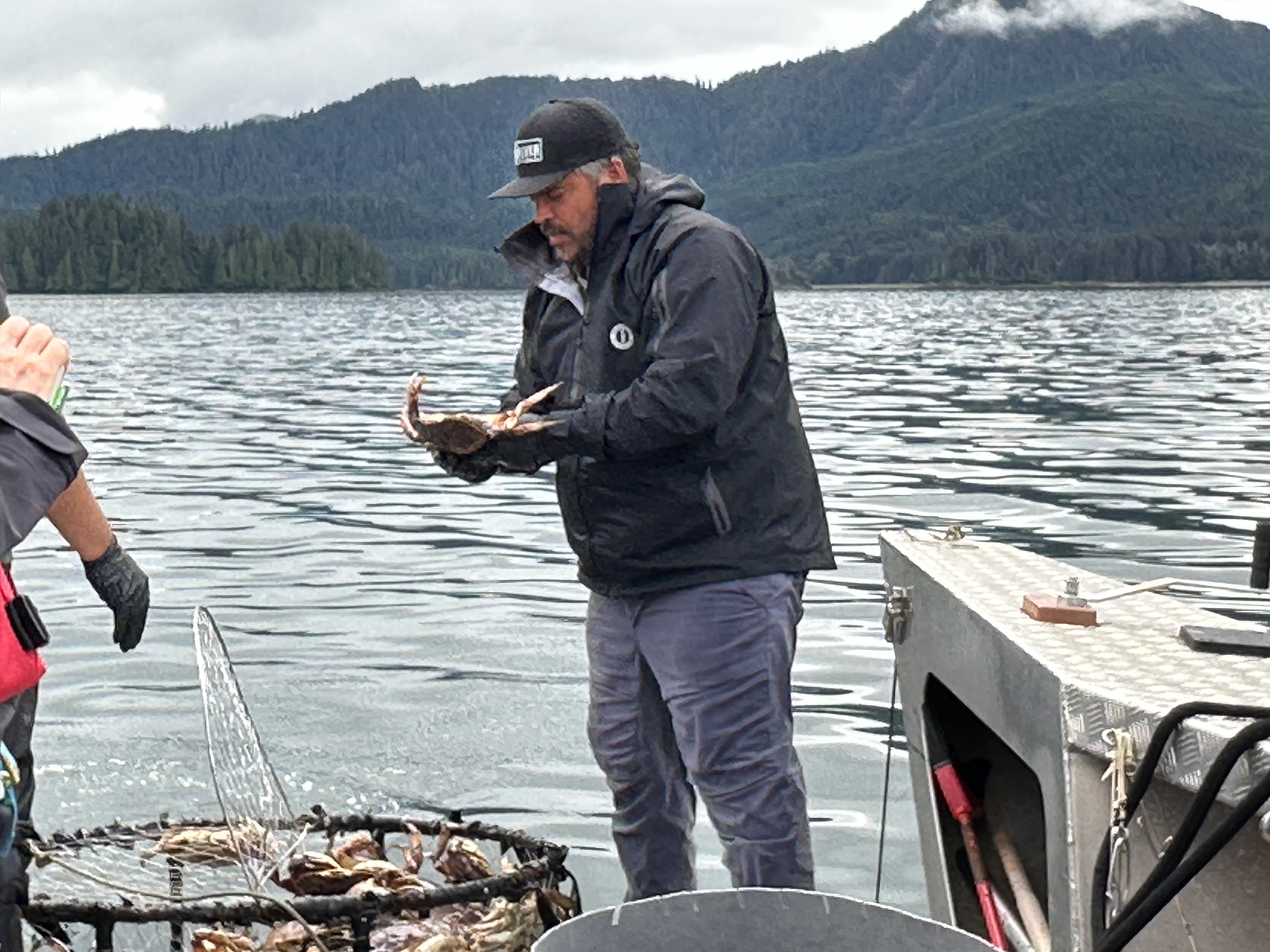
I arrived on July twenty-first and will depart on August first. I have been on two tours to visit the remains of villages, learn about the First Nations’ way of life, and learn about the significance of totems. The tours were more inclusive than I realized. On the return trip from the last tour, we stopped to check fishing lines and crab traps. The natural food sources are very plentiful. More than once, the guides said it is only the individual’s fault if they starve on Haida Gwaii.
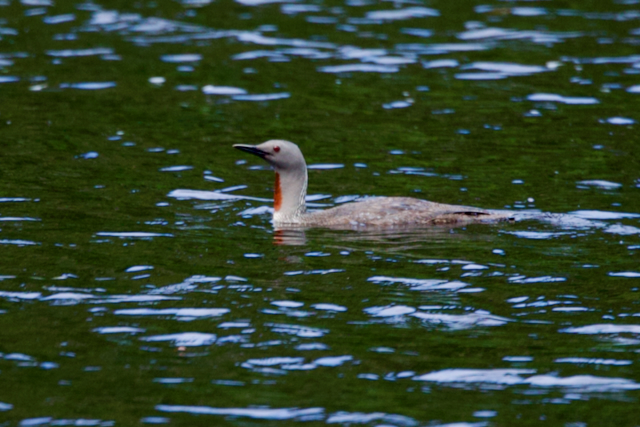
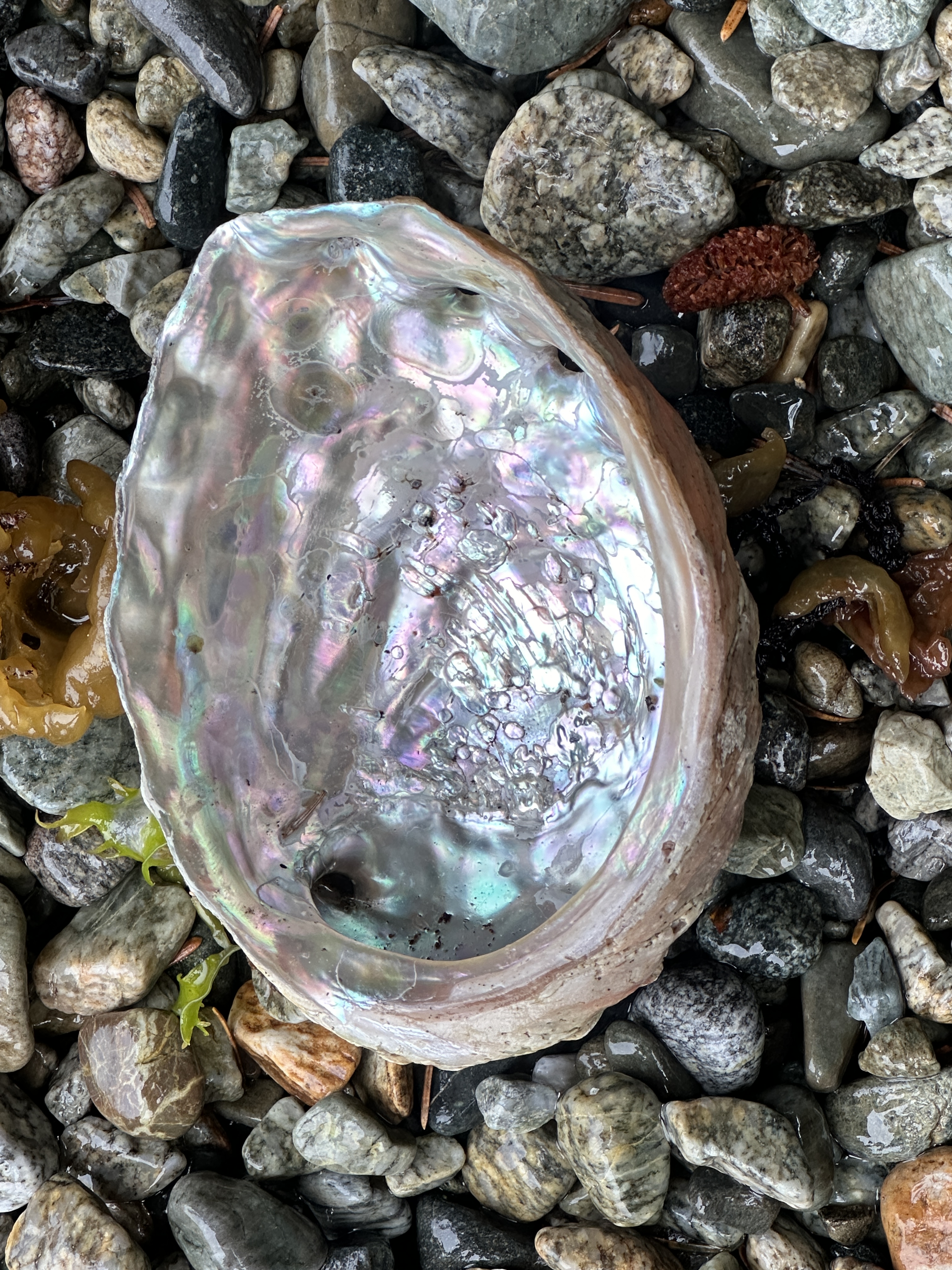
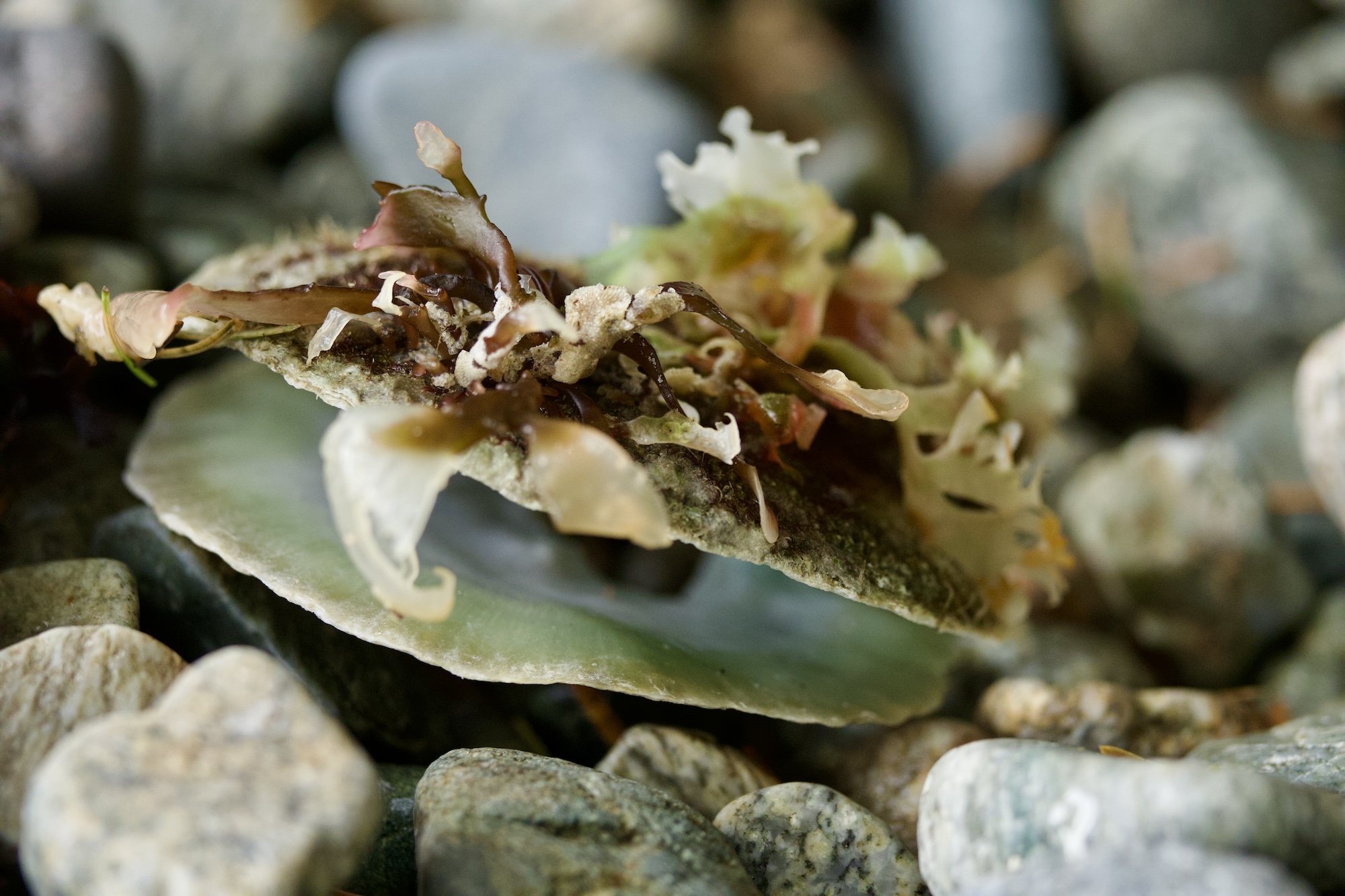
I have hiked and watched for birds, wandered beaches, picked up shells, and taken photos. I have met so many lovely people through the tours and in the campgrounds. The longer I stay at one campground, the more information the owners have given me regarding places to explore and hike.
While I was here, I took a kayak tour. We kayaked for six-plus hours. It was a long day. I saw starfish, anemones, sea cucumbers, and other sea life. The water is cold, clear, and teaming with life. Being out on the bay and exploring from the water was fun. The hardest thing for me was getting out of the kayaks. I have short legs. Here in Haida Gwaii, they call them canoers legs.

It has been a successful trip. I would like to return and take a multiple-day tour to Gwaii Hanas National Park. “Gwaii Haanas National Park Reserve, National Marine Conservation Area Reserve, and Haida Heritage Site is a wild place. With no road access, stores, cell phone coverage and little signage, it is a true wilderness experience.

Gwaii Haanas is home to a plethora of unique subspecies and environments, it is also home to Haida. Today the Council of the Haida Nation and the Government of Canada manage Gwaii Haanas through a cooperative agreement. They work together through the Archipelago Management Board (AMB), which protects Gwaii Haanas from sea floor to mountain peak.”

I have enjoyed my time here. I have stayed longer than most visitors. Three to four days is the usual stay. I am glad I stayed longer so I could experience more of the Island and its culture. The more the local people get to know you the more they open up and share their knowledge. It was nice not to rush.
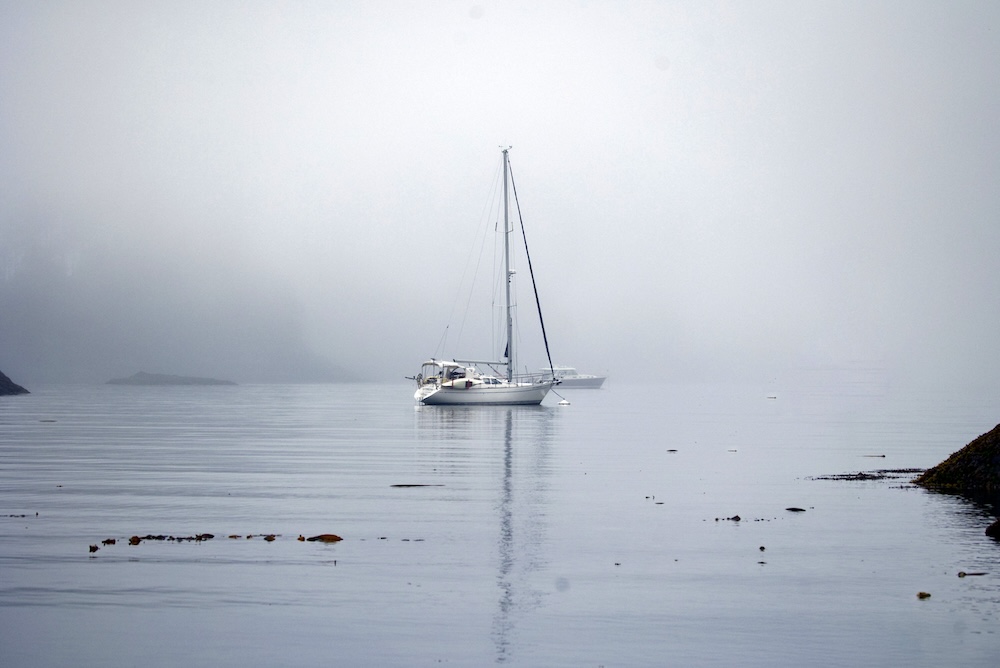
I leave Haida Gwaii on August 1. It is time for another ferry ride back to Prince Rupert on the mainland. After two more ferry rides, I will travel through British Columbia to the Untied States. I am sure there is more adventure to come. Please come and join me.

Today, I am thankful, for my sense of adventure, and, traveling off the beaten path. I am grateful for the people who have encouraged and supported an unusual lifestyle. Today, I am thankful for the beauty that surrounds me.

A Month on “The Rock”

Yesterday I took the ferry for seven hours from “The Rock” Newfoundland to Nova Scotia. It is hard to say goodbye to a month-long journey around this island.

The best and worst of Newfoundland. There are not many worst The one worst I can think of….Potholes! I have learned to drive slowly and carefully. Often I found that dirt roads were more manageable and easier than the paved roads. When I encountered signs that said Pot Holes Ahead it really meant potholes ahead. No road was immune to the pothole phenomena. Not only did I have to be concerned about potholes but often the roads dipped in odd and different ways and sometimes the sides of the road were shattered and I had to drive in the middle. In a few days, I will be taking EmmyLou to the dealer to get her oil changed. I will be asking them to check her alignment.

There are too many bests to list. But here are a few highlights.

  • Gannets, I drove to a colony of these birds and spent the night at the visitor center. During the day I was able to observe and photograph these birds. In the evening I went to a concert at the visitor center featuring folk music, a storyteller, and a four-string quartet that was really three strings and a flute. It was a delightful evening. People don’t seem to mind driving in the fog to go to events.
  • Launce aux Meadows on the northern end of the island. It is one of the only Viking settlements on the North American Continent. After exploring the settlement I took a hike and discovered fairy houses.
  • Because I did not get enough of the Puffin Experience on the Mingan Archipelago I went to Elliston, camped on the beach, and could see and photograph more Puffins.
  • A Doctor who was able to diagnose my ear pain, and prescribe medicine so I could enjoy the rest of my journey. The woman in the Pharmacy who directed me to the doctor.
Camping near Trinity
  • All the free camping in amazing places everywhere on the island.
  • Gros Morne National Park. This place was amazing. When I was younger and not dealing with ankle issues I would have spent days hiking in this park. The views were grand, the towns picturesque, and the people friendly and helpful.
  • Camping in the Municipal, Provincial, and National Parks was a great experience. The campsites were clean and private. Laundromats were in each park and warm showers were plentiful. It was fun to do the laundry as there was usually a waiting line and I got to meet others that were waiting.
  • The surprises I found in the small out-of-the-way towns throughout the island. One night I camped at the Giant Squid Interpretation Center.
Cape Spear-Furtherest East lighthouse in Canada
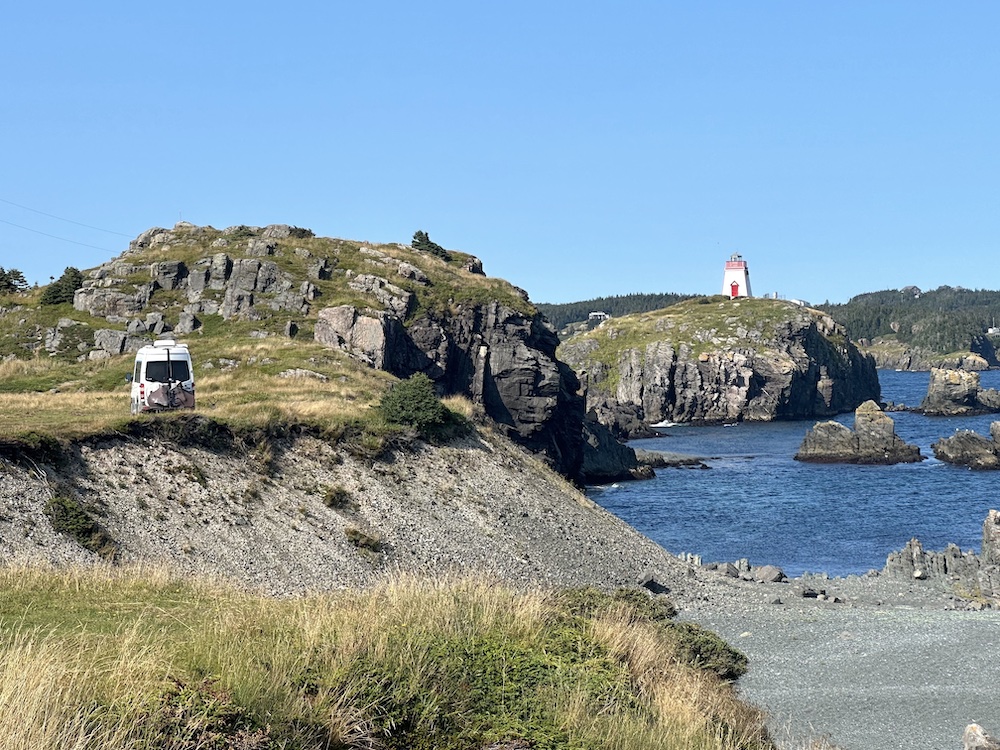
  • The lighthouses. I have been to so many lighthouses. I keep thinking I have been to enough of them but then I read about or see a sign for another one and off I go in search of another lighthouse.
  • It has been a wonderful summer and autumn along the water’s edge. I love being close to the ocean. If there is no ocean then there are lakes and rivers, streams and bogs.
  • The plentiful picturesque towns tucked away in harbors all along the coast.
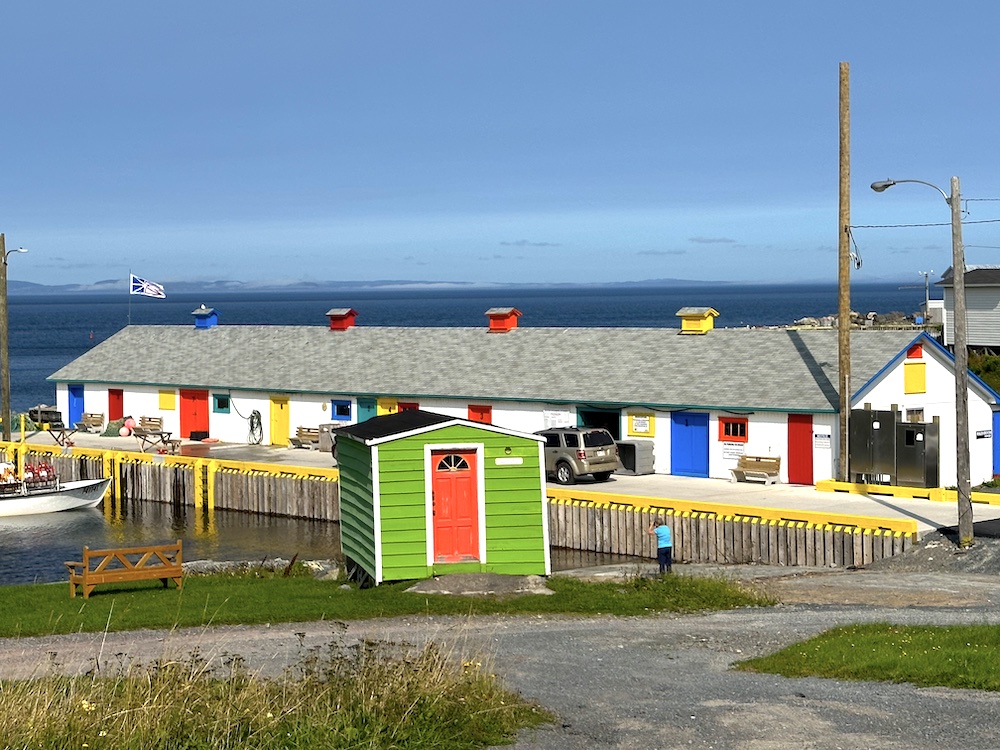
  • The colorful houses and stages everywhere I looked. I really enjoy seeing such colorful buildings and homes.
  • Lastly, everyone I met or interacted with was so nice and kind and open. I enjoyed meeting the people who lived on “The Rock”.

You may get the idea that I enjoyed my visit. I did. It was hard to leave and I believe I will return. There was so much more to see and do and experience. I enjoy the adventure of discovering the new and unique. There were more pictures to take.

Today I am thankful for a smooth sail. The staff aboard the ferry said that the water was calmer than it had been in a month. I am thankful for discovering a new place that was such a complete experience for me.

Today I am thankful.

Puffin Along

I was on a lighthouse island in the MIngan Archipelago in the Gulf of St. Lawrence in Quebec Province, Canada for four days, from August eleventh to the fourteenth.

I went to a photography workshop with Christopher Dodds. I wanted to learn more about my camera and improve my wildlife photography skills. And I did. In four days, my photography stepped up a notch.

We stayed on the island in a house that was set aside for us. Each of us had our own room and a shared bathroom. My room faced the lighthouse which is electronically controlled. It did not interfere with my rest at night. We were served three delicious meals a day. It is amazing how much energy it takes to photograph wildlife.

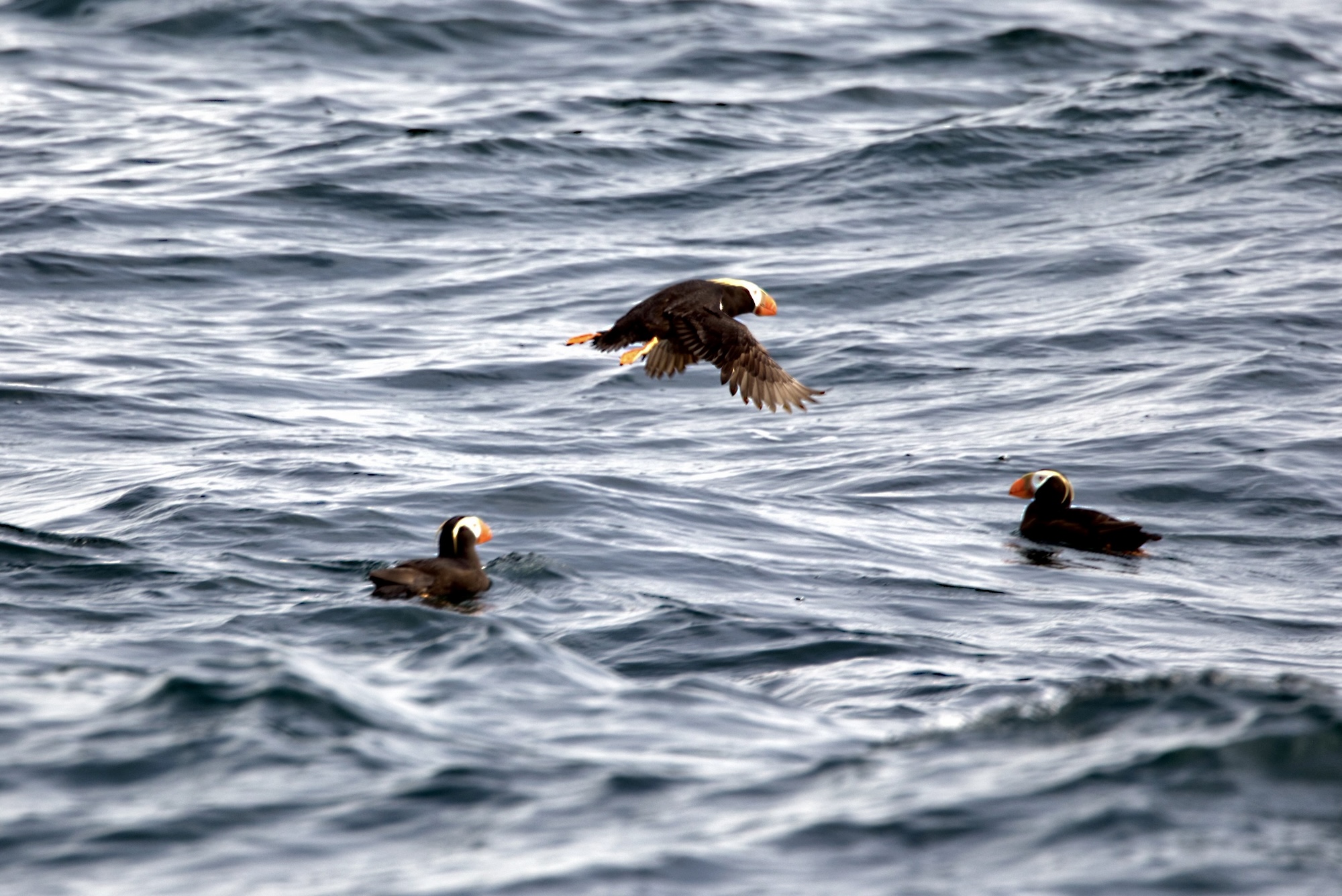
What was I photographing? PUFFINS!! Oh my goodness, puffins everywhere. They were in flight returning to their burrows with fish for the young. They were flying. They were creating wonderful antics on the cliffs that I could photograph.

Here is a video of some of my better photos. It was so much fun.

There were four of us in the workshop. Charley from Chicago, Julie, and Reiner from Florida. We were a very compatible group. When Charley and I saw the first puffins we just started to laugh for the sheer joy of it.

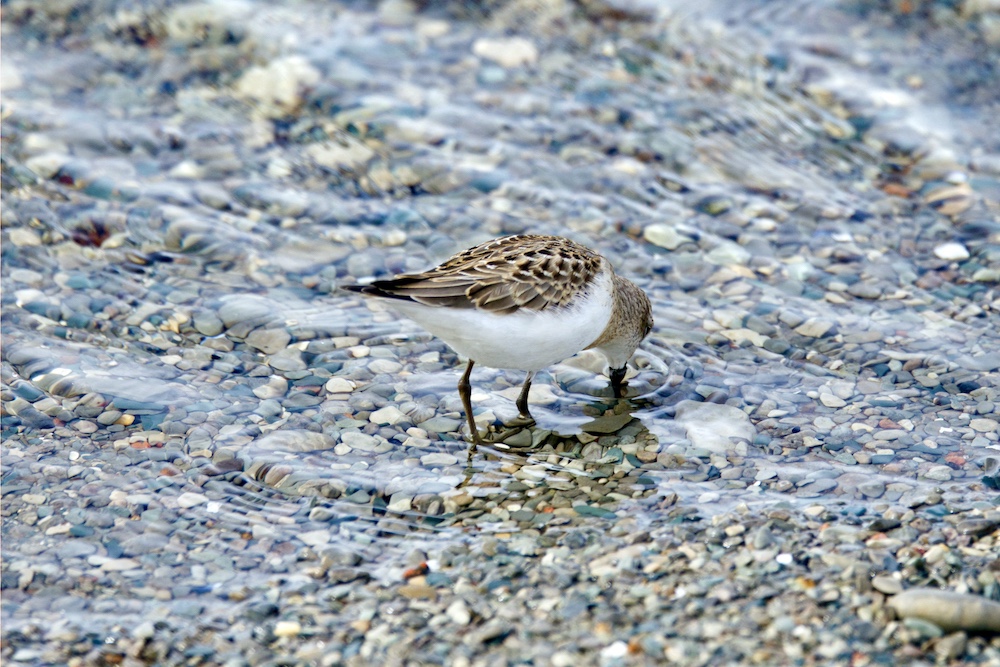
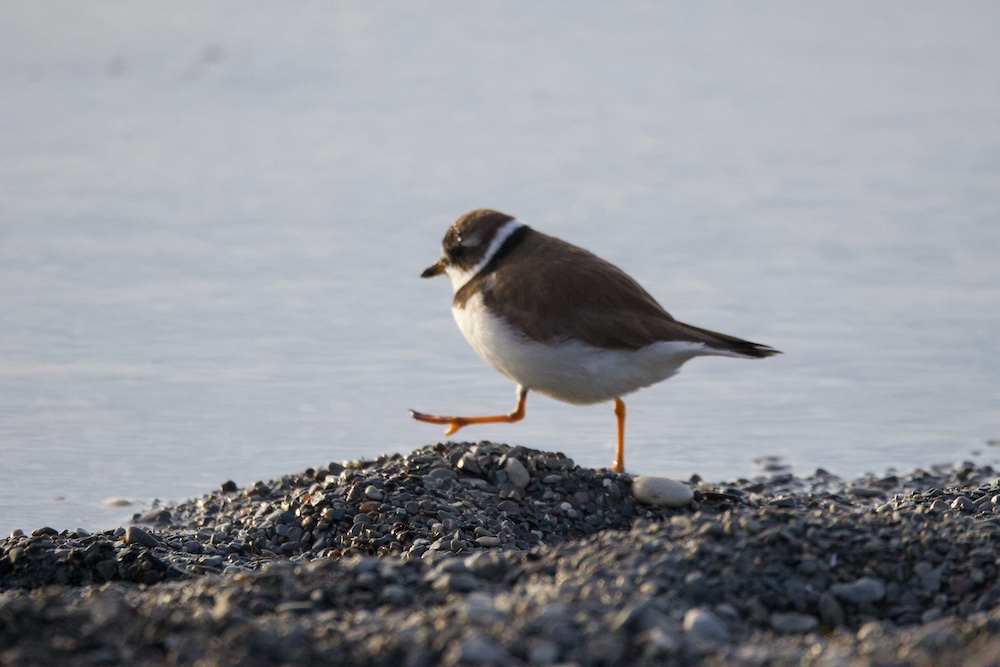
When we weren’t shooting puffins there was other wildlife to photograph.

Our typical day started at four thirty a.m. By five a.m. we were on the beach capturing the puffins returning from sea in the beautiful early morning light. Breakfast was at eight and then it was back to the beach for the rest of the morning. Lunch was at noon. We had a bit of siesta time and then returned to the beach to catch the puffins at sunset. Dinner was at five p.m. then once again we returned to the beach for one more round before sunset. Whew.

Shortly after we left the island all the adults leave for the winter. They go back out into the ocean and do whatever puffins do. Except for breeding season, they are solitary at sea. The young wait a few days until they get hungry and soon they also leave their nest and go to sea. Not all the young will make it through their first year. On this particular island as they leave there are seals waiting for the young. Nature can be cruel. Christopher told us that only five to seven percent of this colony of young will make it to adulthood.

After three nights I was ready to settle down and catch up. Following Chris’s suggestion I decided to take the Trans-Labrador Highway to Newfoundland. It is a bit like going through the back door. Whew. It is in the middle of nowhere. And that is how I found myself on the TransLabrador Highway.

Today I am thankful for opportunities that present themselves, I am thankful for good Photographers who are willing to teach others their knowledge and skills.

Today I am thankful for the joy of Puffins.