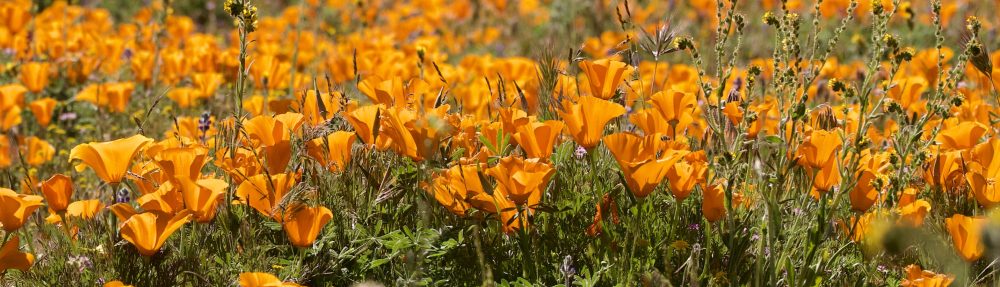

Finding Joy in Small Successes

There are moments in my life when I take great pride in my accomplishments and moments when I find joy in this continuing journey. I like feeling proud and accomplished for a job well done. It is good to stretch my knowledge and experience and know I can do more and be more. Feeling accomplished leads to feeling joyful. I attempt to look for those moments, large or small, that offer me the feeling of joy.

I have had a slow leak in the rear tire of my road bike. To deal with it, I pumped it up at the beginning of a ride and hoped it would still be OK after fifteen miles. I have been doing this for a while, and it has worked. Two days ago, I was out riding the Bay, and the tire was too soft after ten miles. Finally, I had to address this situation.
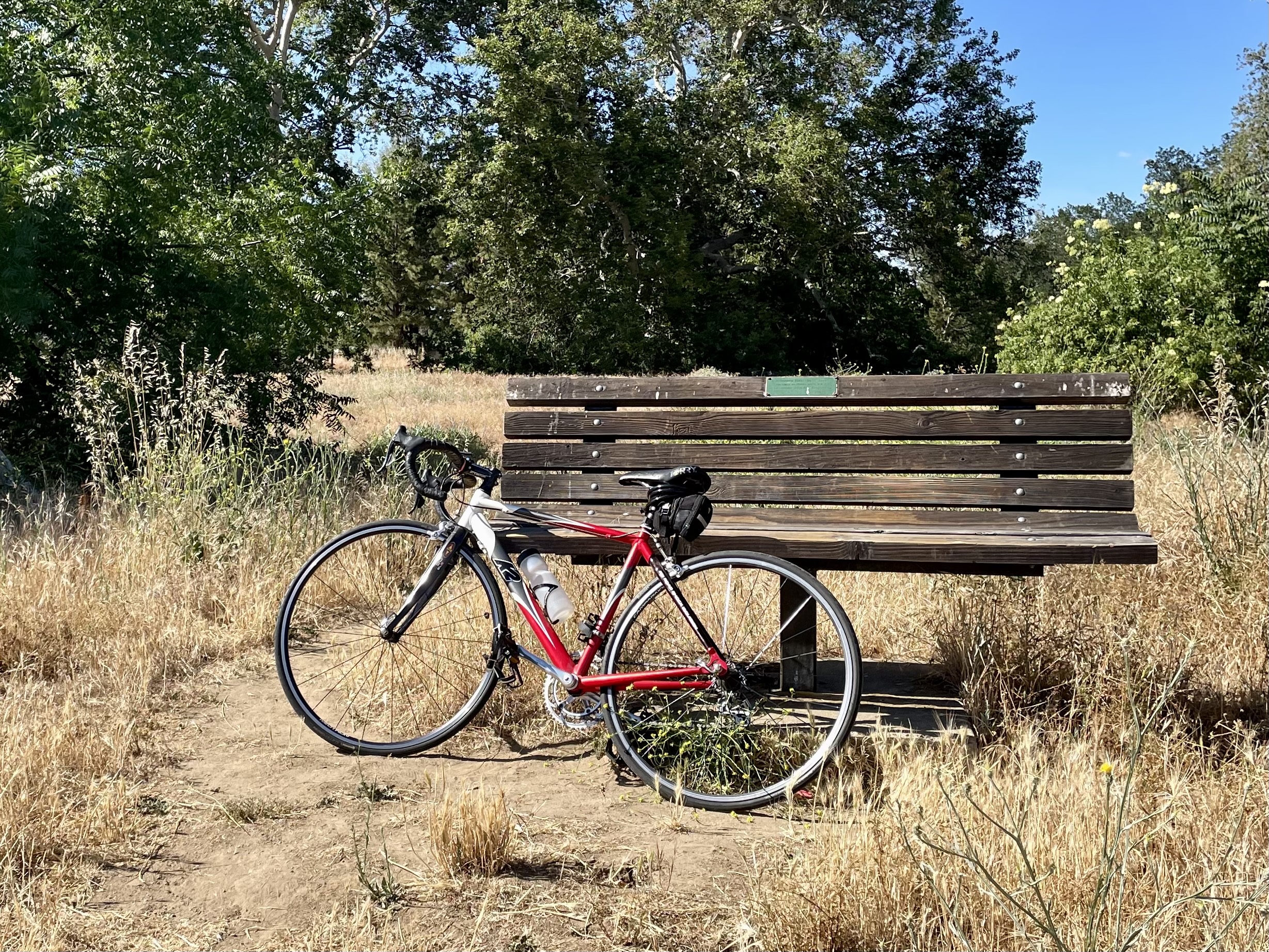
My Bike Feeling Picturesque

Before Jim died, I would have gone to him, and he would fix anything with my bike or car. If I had a flat while cycling, all it took was one phone call, and Jim would arrive to rescue me. Now, I have to think about calling Lyft or fixing that tire on the fly. That sounds easy, but changing a tire, especially a rear one, requires time, patience, and muscle.

Yesterday, I decided to change the tube on that tire. I did not have all the necessary tools; where did that bike tool set go? With the help of one tire tool and a few kitchen tools (the mother of invention), I successfully changed the inner tube and was up for a 15-mile ride around the bay.

Pride, oh yes, I feel proud. Whenever I tackle something independently and succeed, I feel proud of myself. I also know that the correct tools will be present next time, making it easier for me to accomplish this task. This is good pride. This is joy.

Joy has been on my mind often lately. I have been considering what gives me joy every day. What are the little things that make me smile each day? Yesterday, successfully changing that tire was a moment of joy at a well-done task. Pride and Joy.

Yesterday, I was at Starbucks, and one of the baristas came by to give me a free sample of Christmas coffee and bread. It made me smile and feel special. Joy at work.

What has brought me joy as I traveled over the past spring and summer? Friends, oh yes, Friends. My life would be so lonely without the love and support of new and long-time friends. I met people on Vancouver Island this summer who have invited me back to visit and live with them. How cool is that? I have people who have embraced me and made me feel treasured and valued. They have invited me into their homes and driveways, making me feel unique and loved. That is definitely Joy.

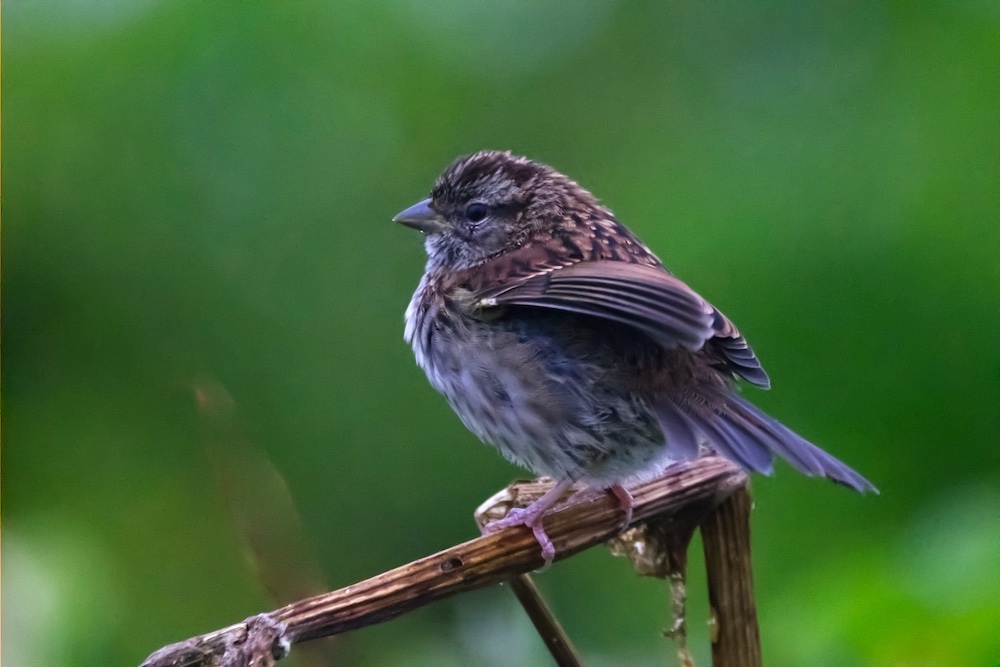
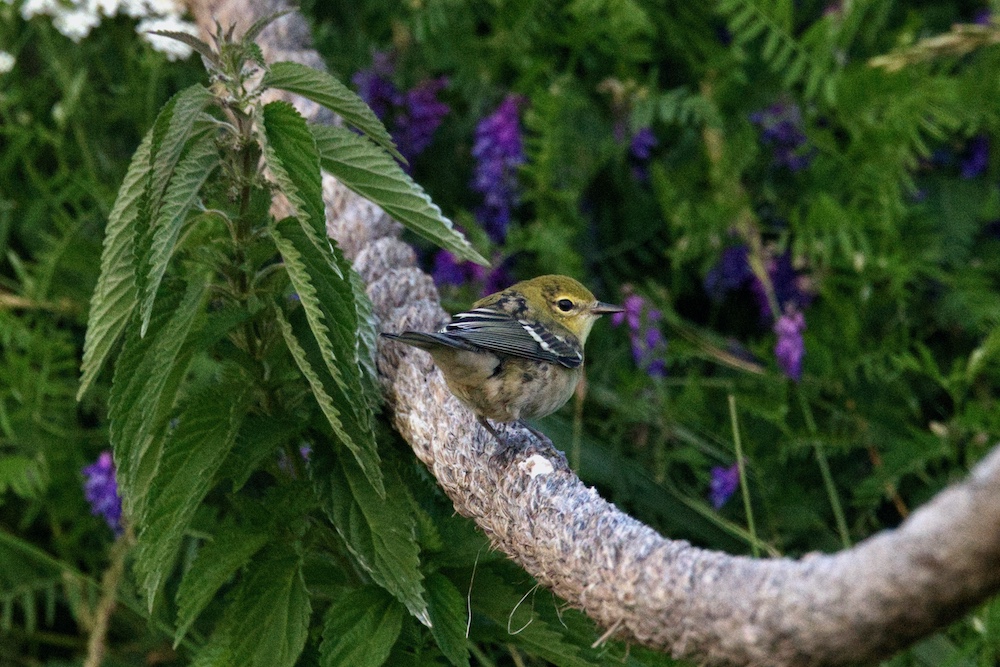
Unlimited joy, large and small, has come in the form of a little brown bird, Birdie Boy. When I think of my time in the Northwest, I immediately think of Whidbey Island, Jim and Sandy, Robyn and Tom. They think I am wonderful, and the feeling is mutual.

Mostly, I think of Birdie Boy.

How can a little brown song sparrow infuse me with such joy? How can Birdie Boy still remember me two years later? How can he express such joy at seeing me again? He leads his own life, yet I show up, and his and my world stop. We met on the deck in the spring of this year. He sat atop my computer screen and chitted at me non-stop. We had a lot to catch up on. My heart expands with great and small joy when I think of all my encounters with him. Who knew this little brown bird would be so crucial in my healing from the loss of Jim twelve years ago
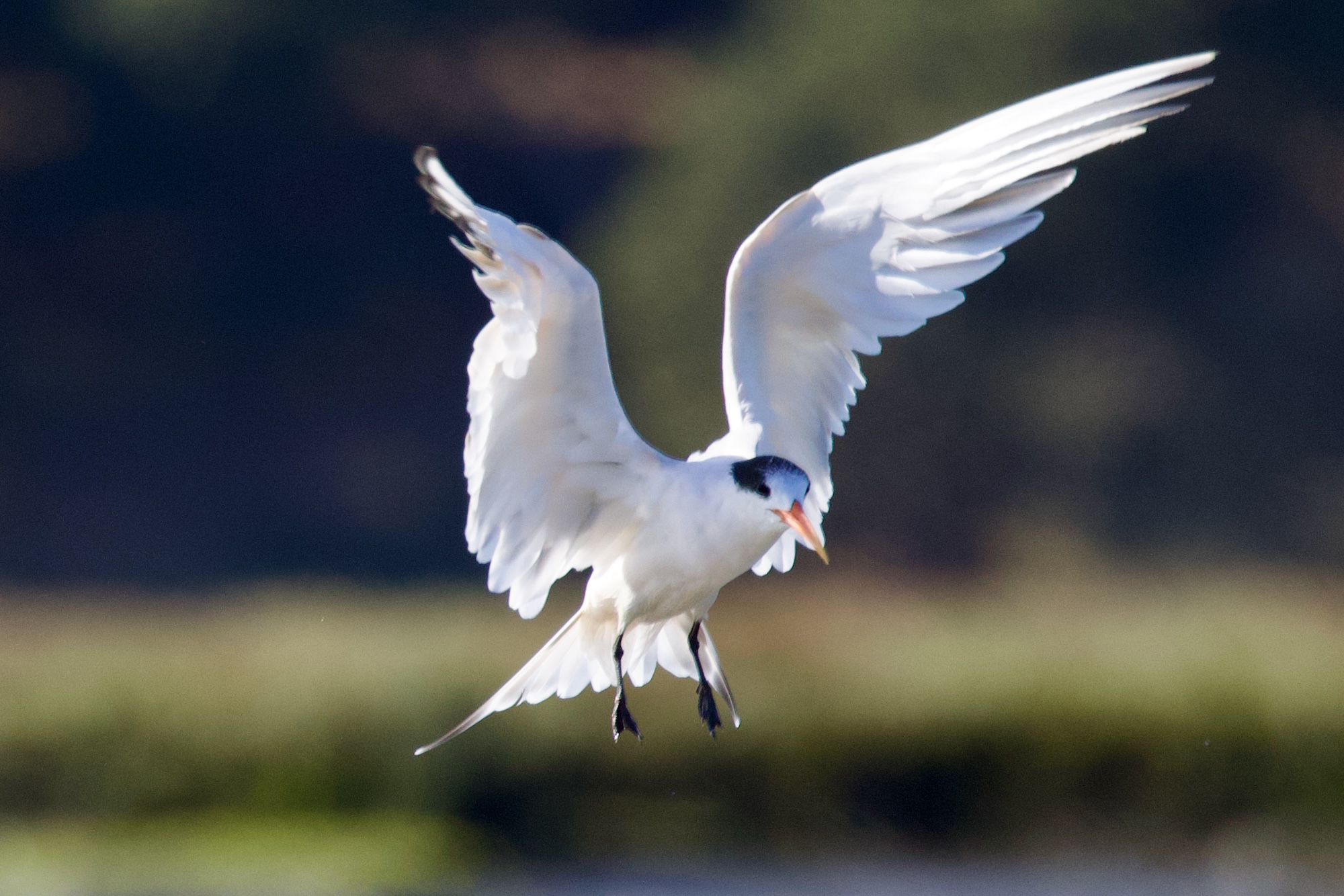
I love my camera. I love being out in the wild, taking photos of birds, animals, and just about anything. Nature always cheers me up. My photos can bring me such joy. I love looking through my pictures and picking out my favorite of the day.

Socks…New socks! A few days ago I bought 3 pair of new socks. I love putting them on. I love their colors. Their softness is delightful. New soft cushy socks equals joy.

I must note those moments of accomplishment and joy in my life. When things look a little dark or sad, I find that if I can recall one moment of pleasure in the day I am in or from the past, my mood lightens, and things don’t look as bad. Finding joy, no matter how small, reminds me of life’s magic. It helps me take another step forward and often reminds me that I am not alone.

What are your small or significant moments of joy?

What have you accomplished that has made you feel joyful and proud? Please share in the comments. I would enjoy seeing them in print.

Today, I am Thankful. I am grateful for my friends. I am thankful for the little and big moments of success in a job well done. I am thankful for any wee moments of joy in my life.

Today, I am Thankful.

Exploring the Rainforest and Totem Poles of Haida Gwaii: A Unique Adventure

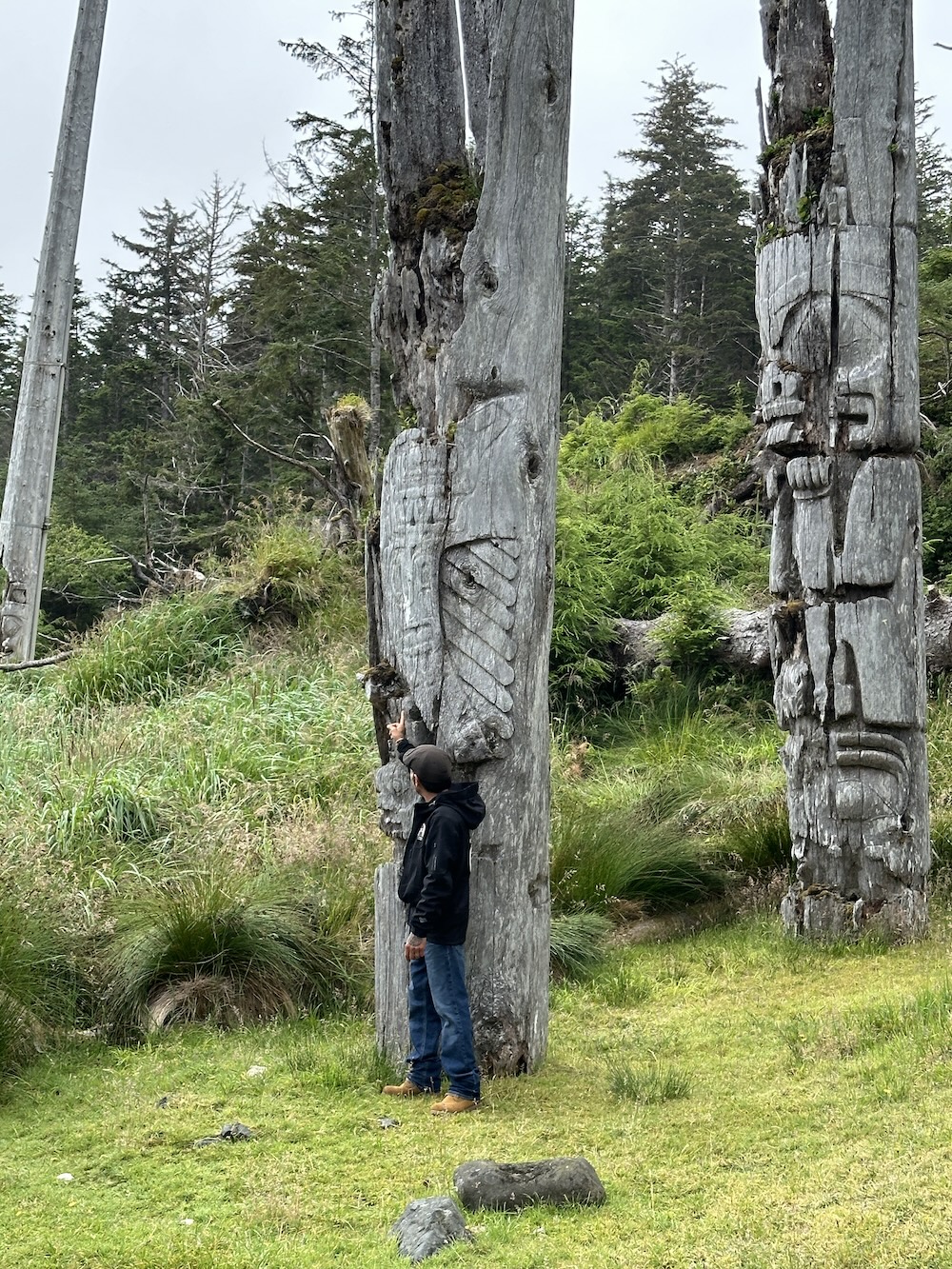
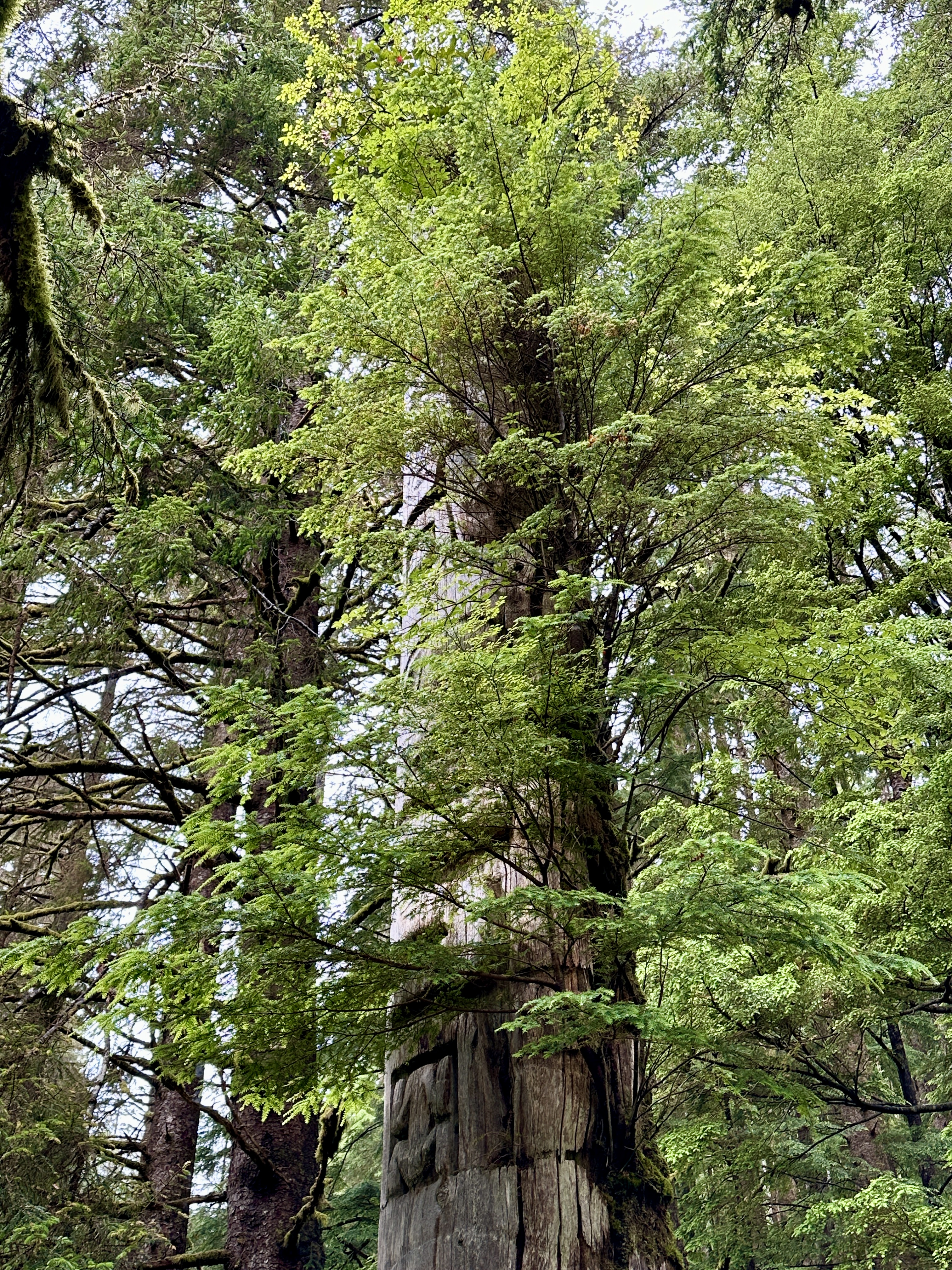
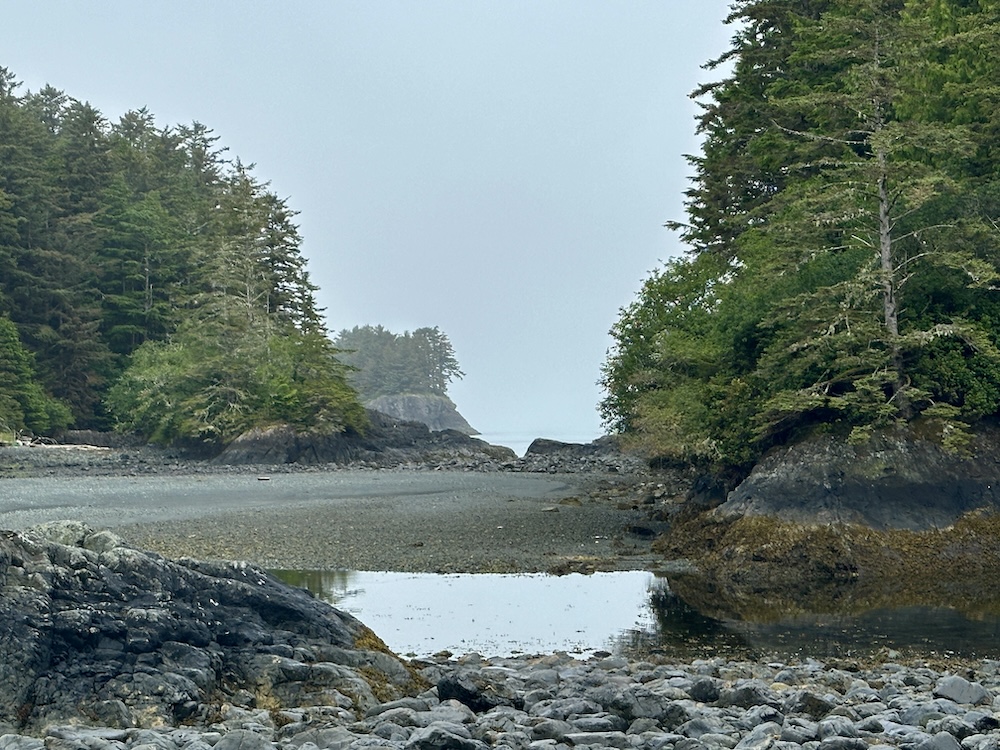
I have been in the wettest rainforest that I have yet to experience. I am on the Island of Haida Gwaii in British Columbia. It is west into the Pacific Ocean, further west than the Continental United States. And…it is wet!!! They experience approximately one hundred days of sunshine each year. It is wet! In case you don’t yet know, it is moist here. One day, when rain was expected, the sun came out instead. The people on the Island said they had a bonus day.

First known by the Haida as Xhaaidlagha Gwaayaai or “Islands at the Boundary of the World,” these islands are more commonly known as Haida Gwaii, or “Land of the Haida.” The area represents more than 3,600 islands in all, with an oral history that can be traced back 7,000 years.

“Haida territory encompasses parts of southern Alaska, the archipelago of Haida Gwaii, and its surrounding waters. The pre-contact population of Haida was in the tens of thousands in several dozen towns dispersed throughout the islands. During the time of contact, the Haida population fell to about 600 due to introduced diseases, including measles, typhoid, and smallpox. Today, Haida comprises over half the 4200 people living on the islands.”

In 2018, I spent a month on Vancouver Island, exploring Vancouver Island in depth. While there, several people asked if I was going to Haida Gwaii. I told them no. The idea of a trip to Haida Gwaii began to percolate, and now, six years later, here I am.

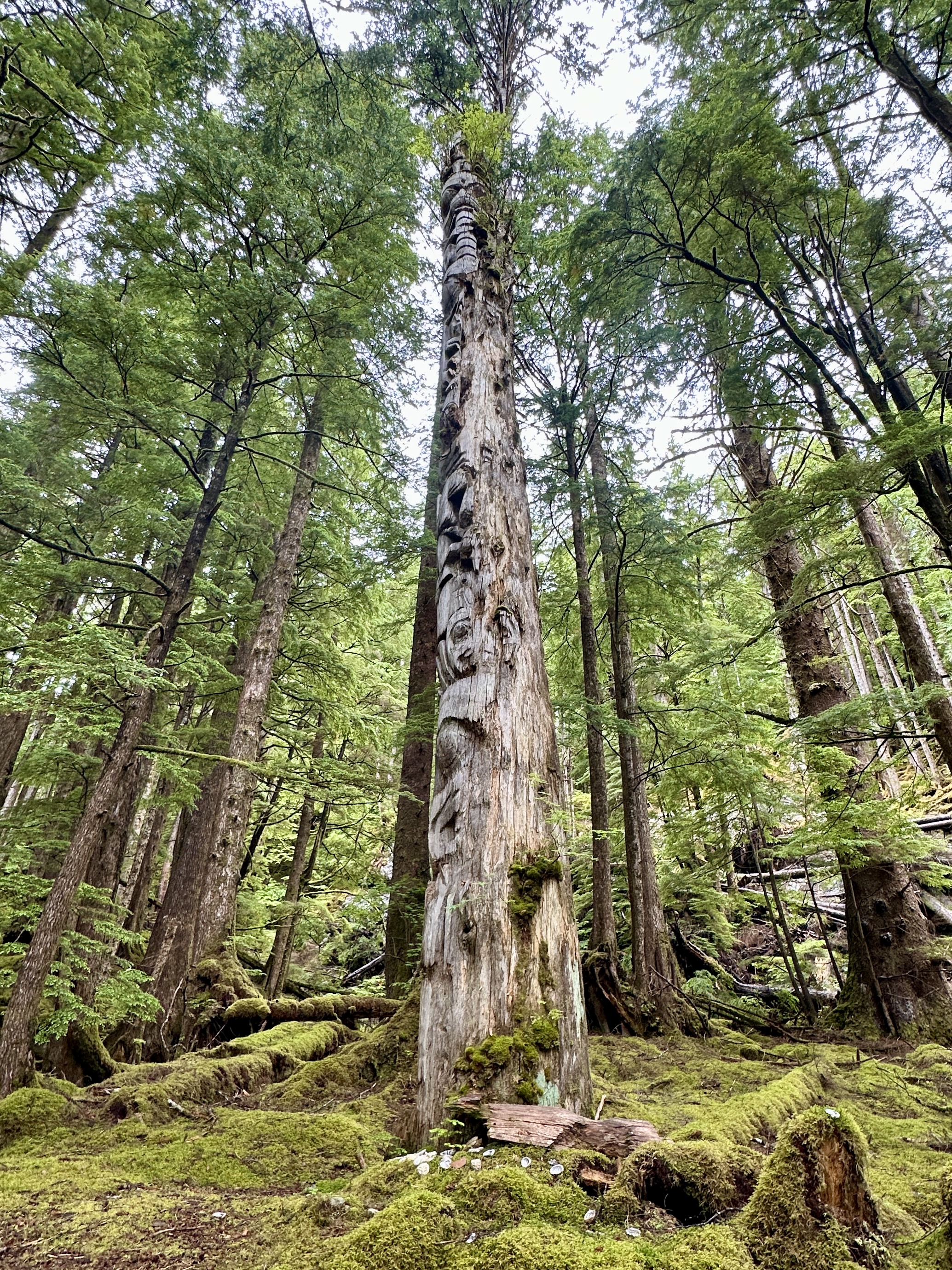
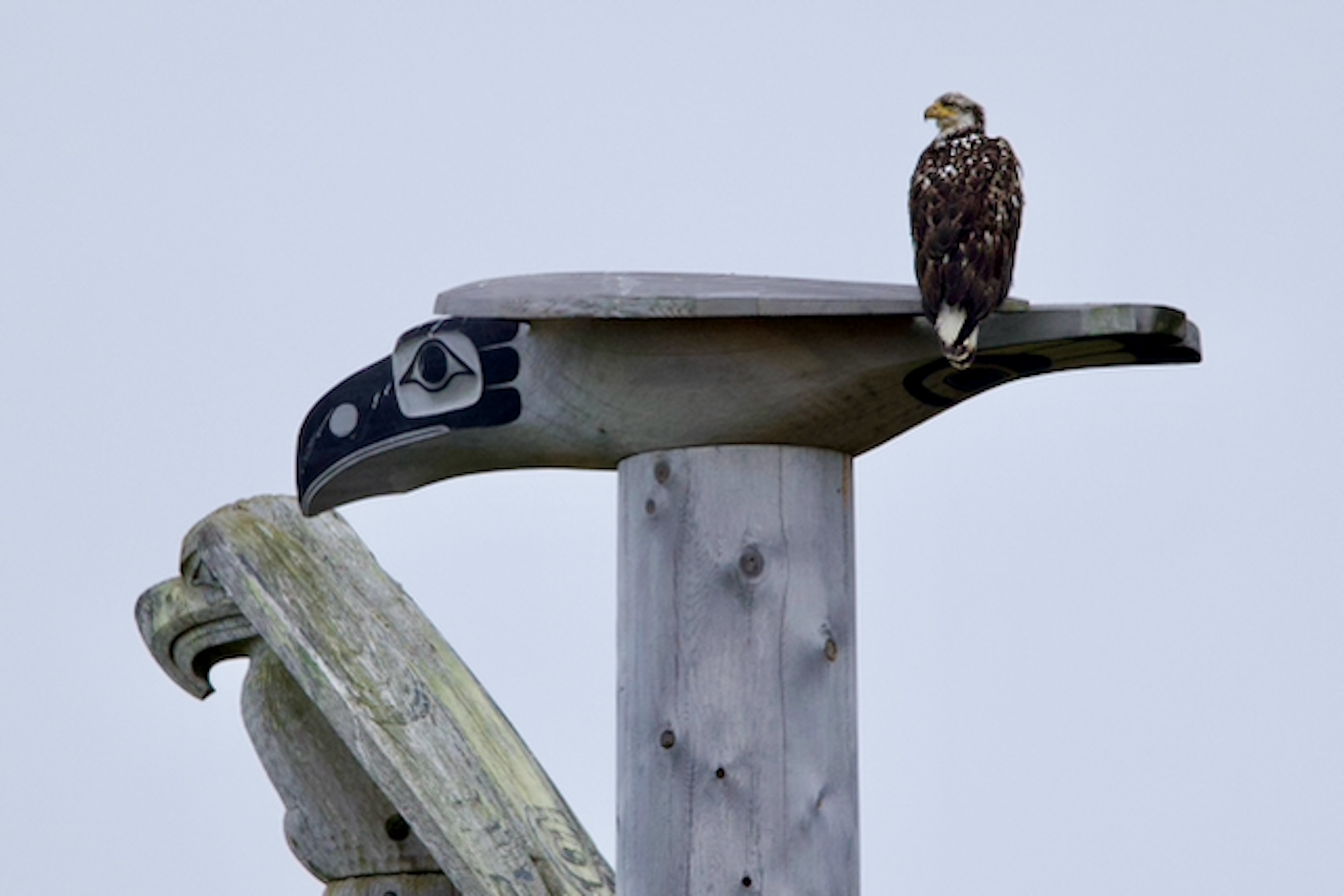
Why come to Haida? It is remote and rugged, surrounded by water and a rainforest. I wanted to learn the history of the First Nations People who live here. I came to see totem poles. Hiking in the Rainforest is magic. The people are welcoming and kind. Since canceling my trip to Alaska, I wanted an interesting destination in place, so I did not regret the un-trip to Alaska. And….I love to ride ferries (it took three long rides to arrive here).

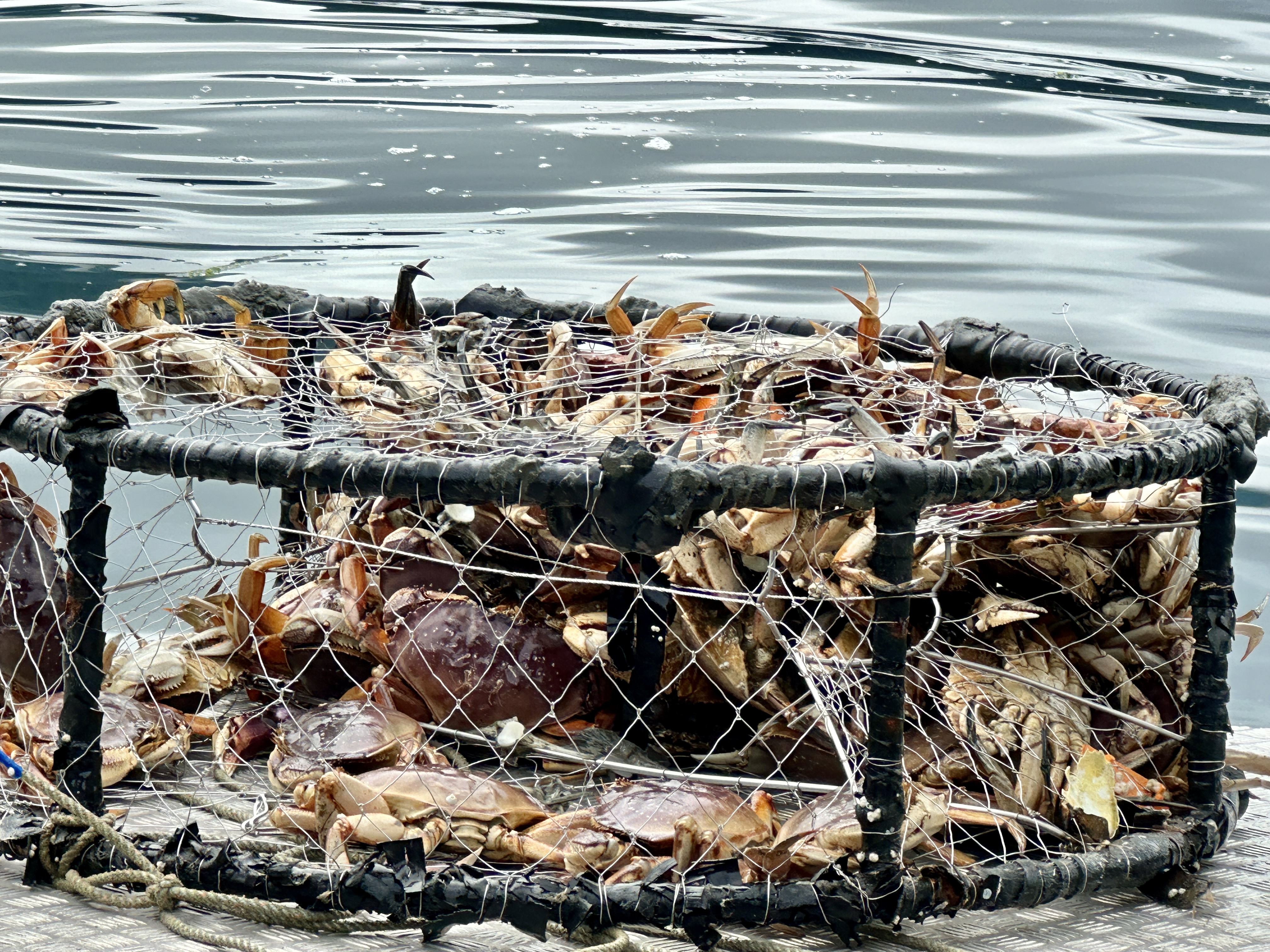
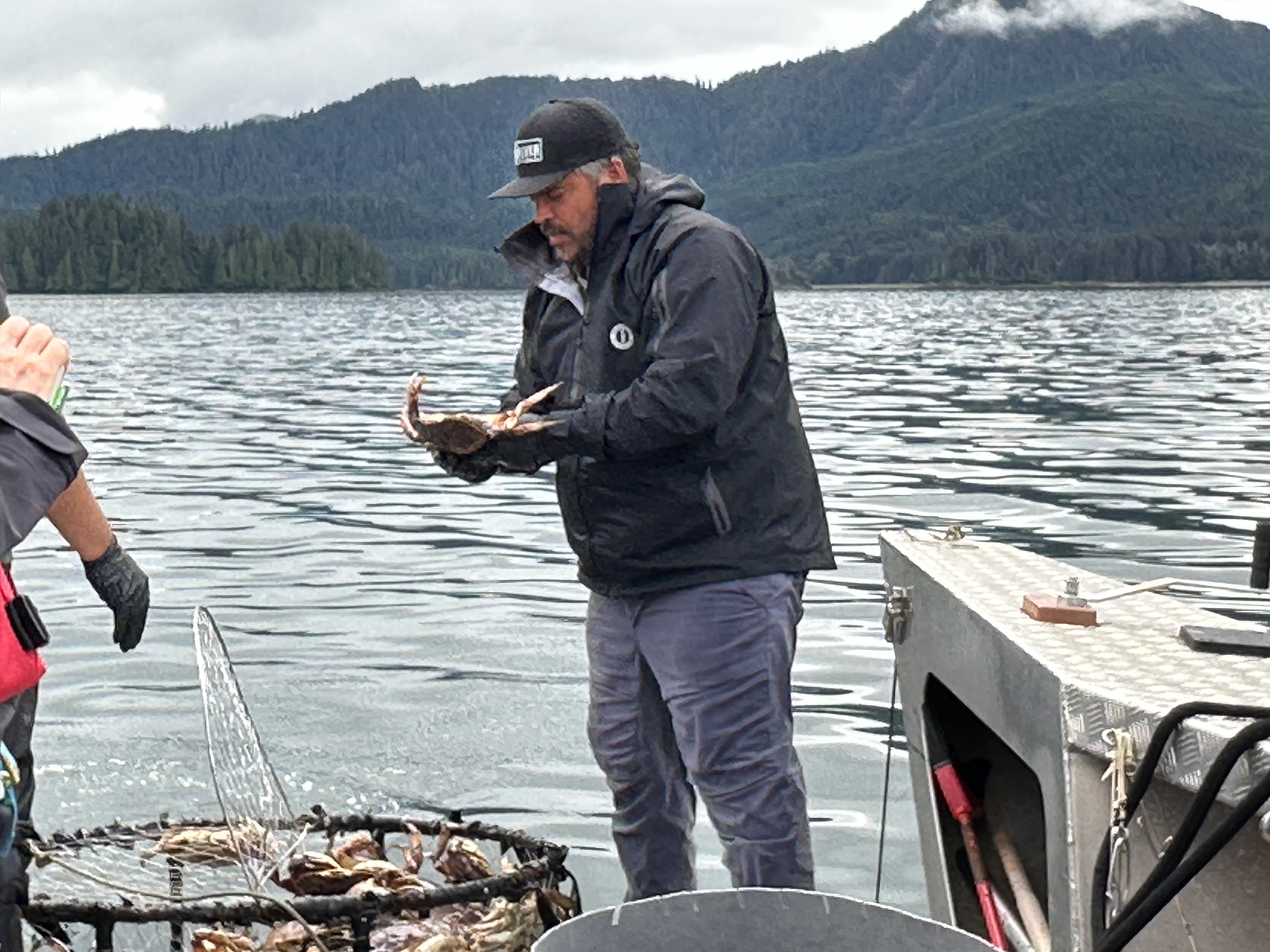
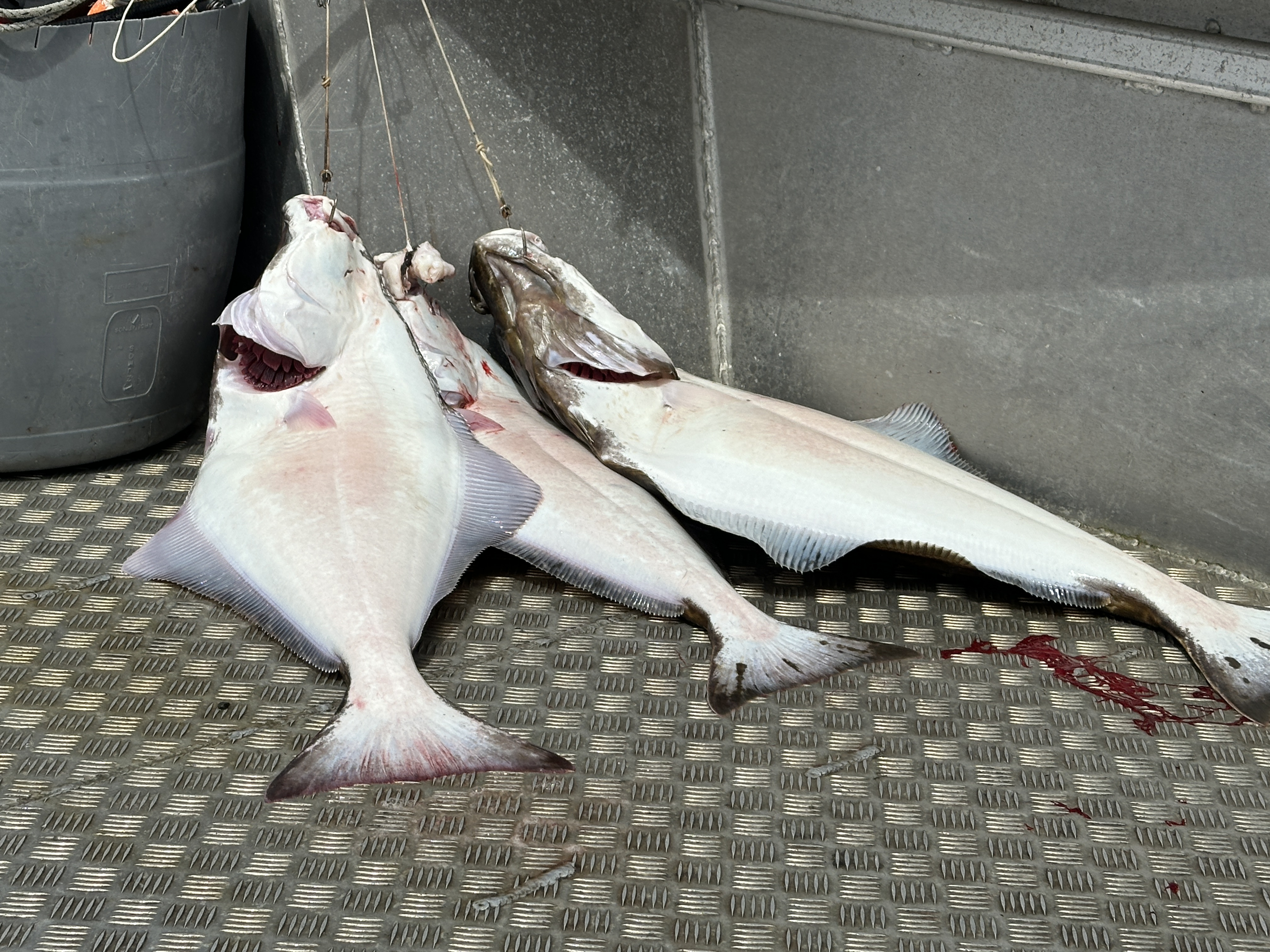
I arrived on July twenty-first and will depart on August first. I have been on two tours to visit the remains of villages, learn about the First Nations’ way of life, and learn about the significance of totems. The tours were more inclusive than I realized. On the return trip from the last tour, we stopped to check fishing lines and crab traps. The natural food sources are very plentiful. More than once, the guides said it is only the individual’s fault if they starve on Haida Gwaii.

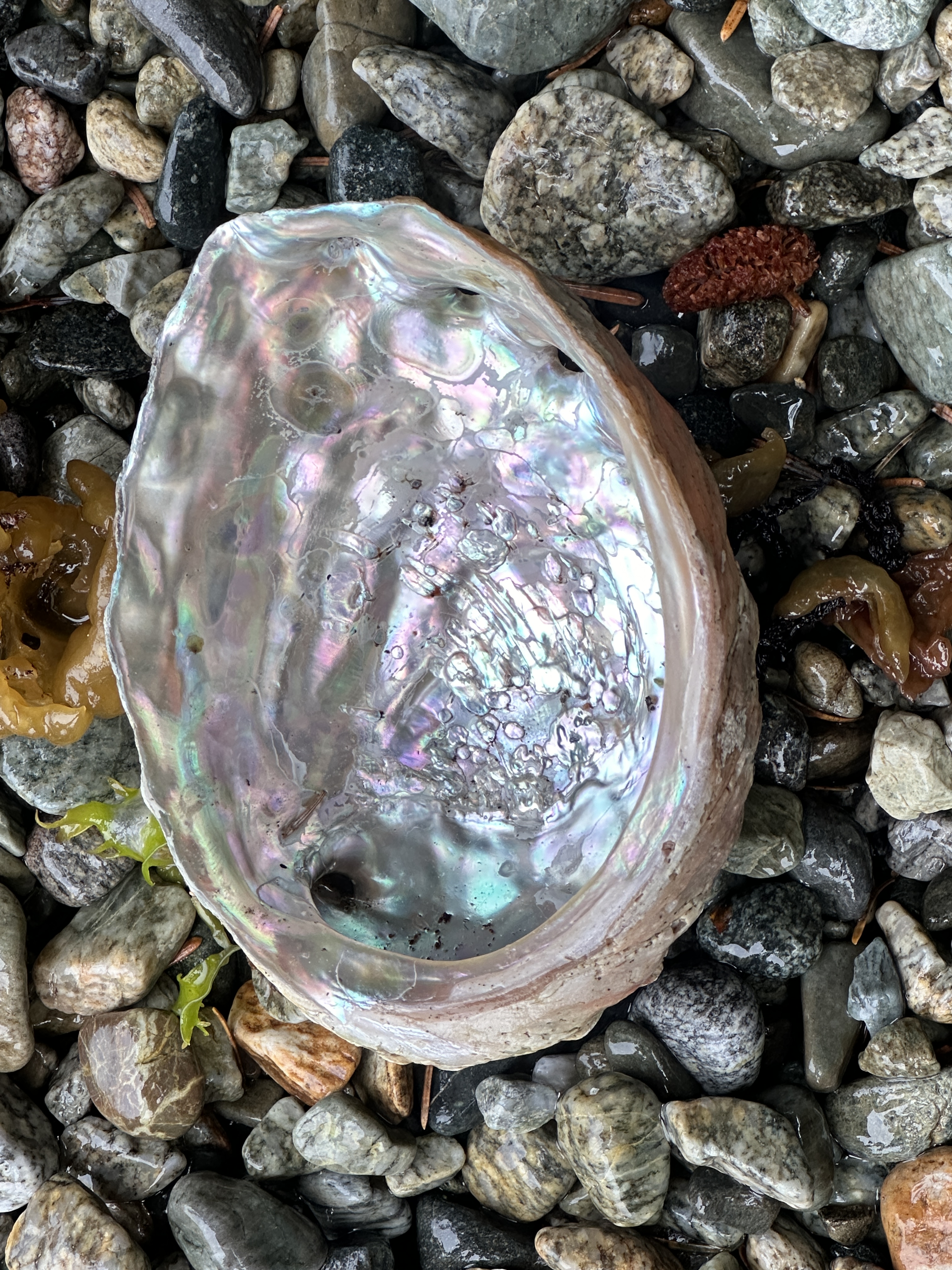
I have hiked and watched for birds, wandered beaches, picked up shells, and taken photos. I have met so many lovely people through the tours and in the campgrounds. The longer I stay at one campground, the more information the owners have given me regarding places to explore and hike.

While I was here, I took a kayak tour. We kayaked for six-plus hours. It was a long day. I saw starfish, anemones, sea cucumbers, and other sea life. The water is cold, clear, and teaming with life. Being out on the bay and exploring from the water was fun. The hardest thing for me was getting out of the kayaks. I have short legs. Here in Haida Gwaii, they call them canoers legs.

It has been a successful trip. I would like to return and take a multiple-day tour to Gwaii Hanas National Park. “Gwaii Haanas National Park Reserve, National Marine Conservation Area Reserve, and Haida Heritage Site is a wild place. With no road access, stores, cell phone coverage and little signage, it is a true wilderness experience.

Gwaii Haanas is home to a plethora of unique subspecies and environments, it is also home to Haida. Today the Council of the Haida Nation and the Government of Canada manage Gwaii Haanas through a cooperative agreement. They work together through the Archipelago Management Board (AMB), which protects Gwaii Haanas from sea floor to mountain peak.”

I have enjoyed my time here. I have stayed longer than most visitors. Three to four days is the usual stay. I am glad I stayed longer so I could experience more of the Island and its culture. The more the local people get to know you the more they open up and share their knowledge. It was nice not to rush.

I leave Haida Gwaii on August 1. It is time for another ferry ride back to Prince Rupert on the mainland. After two more ferry rides, I will travel through British Columbia to the Untied States. I am sure there is more adventure to come. Please come and join me.

Today, I am thankful, for my sense of adventure, and, traveling off the beaten path. I am grateful for the people who have encouraged and supported an unusual lifestyle. Today, I am thankful for the beauty that surrounds me.

Puffin Along

I was on a lighthouse island in the MIngan Archipelago in the Gulf of St. Lawrence in Quebec Province, Canada for four days, from August eleventh to the fourteenth.

I went to a photography workshop with Christopher Dodds. I wanted to learn more about my camera and improve my wildlife photography skills. And I did. In four days, my photography stepped up a notch.

We stayed on the island in a house that was set aside for us. Each of us had our own room and a shared bathroom. My room faced the lighthouse which is electronically controlled. It did not interfere with my rest at night. We were served three delicious meals a day. It is amazing how much energy it takes to photograph wildlife.

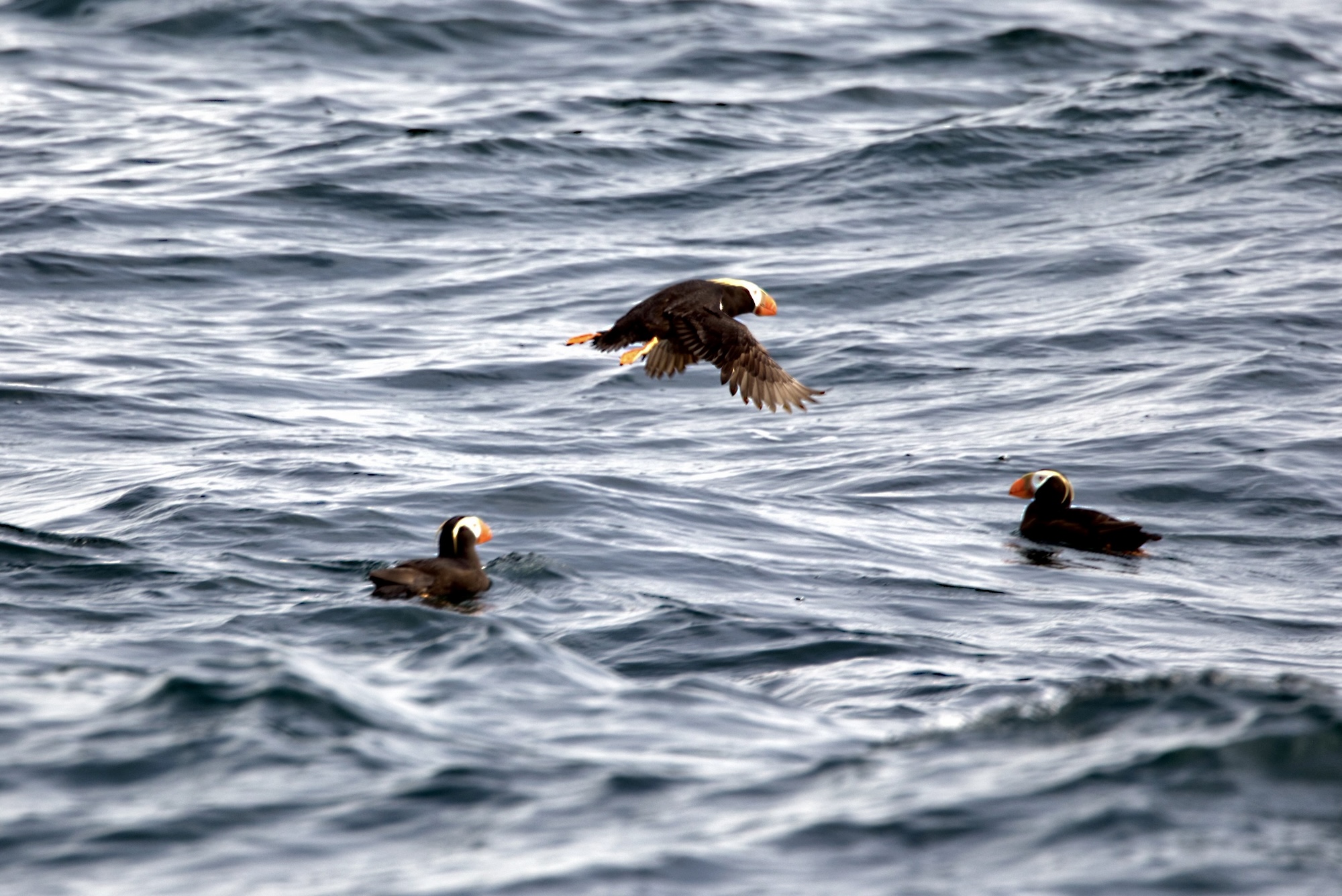
What was I photographing? PUFFINS!! Oh my goodness, puffins everywhere. They were in flight returning to their burrows with fish for the young. They were flying. They were creating wonderful antics on the cliffs that I could photograph.

Here is a video of some of my better photos. It was so much fun.

There were four of us in the workshop. Charley from Chicago, Julie, and Reiner from Florida. We were a very compatible group. When Charley and I saw the first puffins we just started to laugh for the sheer joy of it.

When we weren’t shooting puffins there was other wildlife to photograph.

Our typical day started at four thirty a.m. By five a.m. we were on the beach capturing the puffins returning from sea in the beautiful early morning light. Breakfast was at eight and then it was back to the beach for the rest of the morning. Lunch was at noon. We had a bit of siesta time and then returned to the beach to catch the puffins at sunset. Dinner was at five p.m. then once again we returned to the beach for one more round before sunset. Whew.

Shortly after we left the island all the adults leave for the winter. They go back out into the ocean and do whatever puffins do. Except for breeding season, they are solitary at sea. The young wait a few days until they get hungry and soon they also leave their nest and go to sea. Not all the young will make it through their first year. On this particular island as they leave there are seals waiting for the young. Nature can be cruel. Christopher told us that only five to seven percent of this colony of young will make it to adulthood.

After three nights I was ready to settle down and catch up. Following Chris’s suggestion I decided to take the Trans-Labrador Highway to Newfoundland. It is a bit like going through the back door. Whew. It is in the middle of nowhere. And that is how I found myself on the TransLabrador Highway.

Today I am thankful for opportunities that present themselves, I am thankful for good Photographers who are willing to teach others their knowledge and skills.

Today I am thankful for the joy of Puffins.

Wide Open Lonely Country

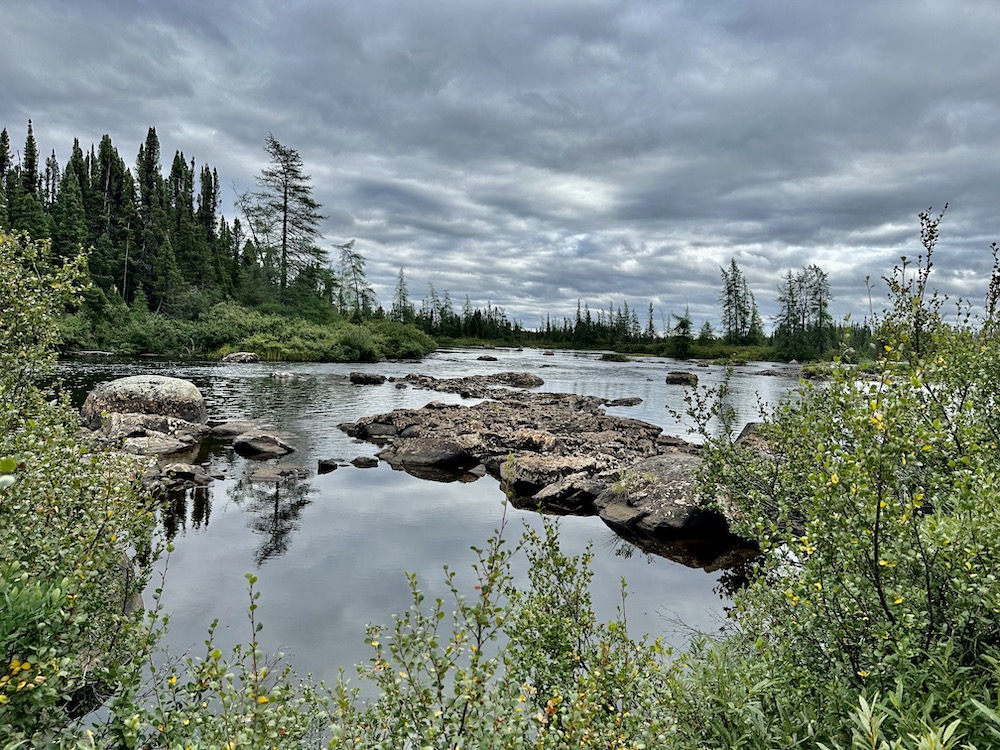
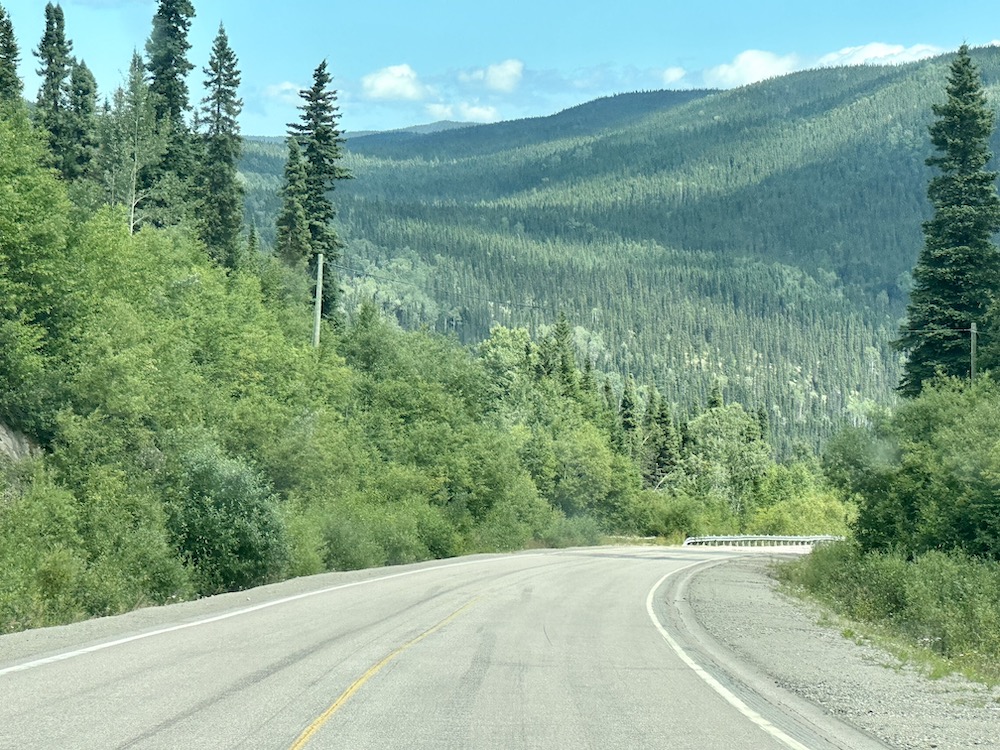
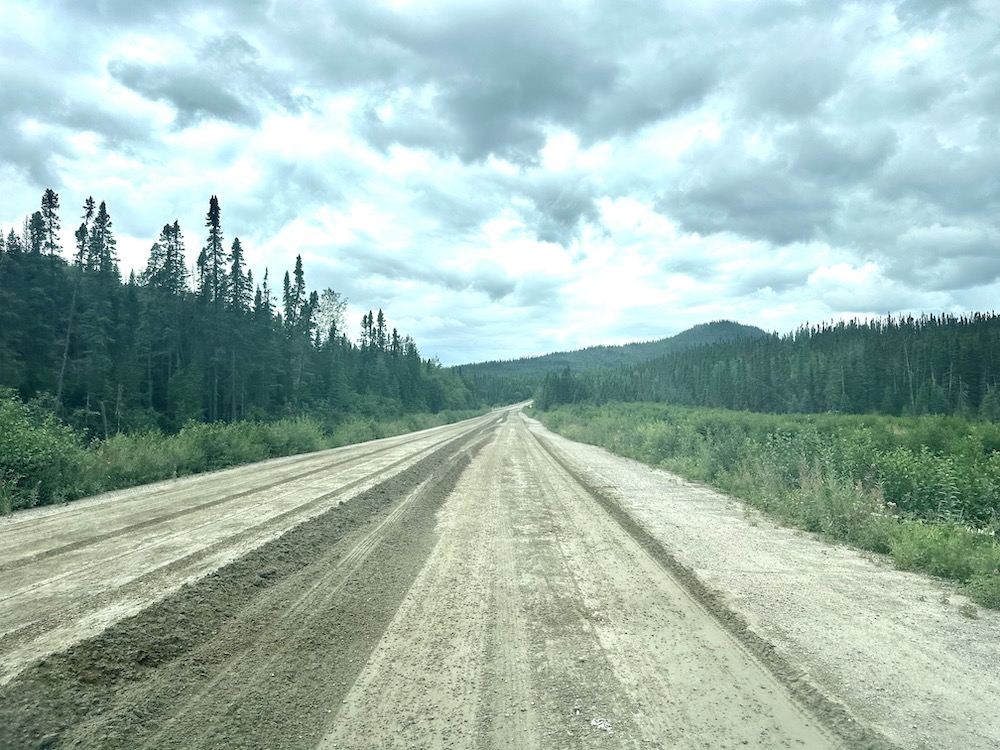
I have been traveling the Trans-Labrador Highway west to east for the past six days. It is a wide open, lonely land with firs covering more distance than anyone can imagine. They are usually short scrubby trees indicating the long, harsh winters, the winds, and the terrain. As I red approached the Atlantic the land has become more open glaciated terrain. And then there is water. Lakes, Rivers, Streams, Bogs, and Brooks. 

I drove into this country not knowing what to expect. It was not on my original route. Over the first few days, this wild space embraced me. It gave me time to think, feel, ponder, and recognize the loneliness of the land and myself. Until the third day, the only time I spoke with someone was when I filled up my thirsty gas tank. Then it was off into the wilderness again. 

Boondocking

Each day, I pulled into camp around three in the afternoon. I was dry camping or boondocking. I would find a dirt road and pull in to see if there was a good, hopefully level spot to camp for the night. 

Then I would wander, down to the river, out into the woods to see what my home was for those twelve hours. I would return to my rig when the black flies would become too much to bear. This was my routine each night.

And I thought and pondered. Being alone is hard, being alone is easy. Being alone way out here is just, alone. 

Several years ago there was a woman who had recently bought a Roadtrek and began to travel with her dog. I never met her but was in touch with her by email and on Facebook. Her life was a struggle and had appeared to be so for quite some time. Sometime in that year she went into the mountains of the southeastern United States and died. I was going to say committed suicide but that is a term I am not always comfortable with. One night I thought about her as dusk turned to night. 

I wonder if her loneliness was profound and there was no other way out. It is hard to have someone end their life like this. I always want to understand why. Often there is no answer. What makes one person choose this way out and another struggle to find solid ground and become richer for the experience of thinking about this and choosing life?

Have I thought about this? Yes, I have. Those first years after Jim’s death were hard. The grief was hard. The loss was hard. The balance in my life was sent off kilter and I needed to find it again. Sometimes when life is hard, we think of easy ways out. I don’t think suicide is an easy way out. I believe it is something people struggle with for a long time before coming to the acceptance that this is the way to leave this world. For others like me, I take a deep breath and strive to find purpose and balance again in my life. I am still working on it.

I mourned her loss that evening and embraced the grief and the struggle that her death brought to me. I have not thought of her in a long time but a few nights in the wide-open lonely country gave me a chance to mourn her loss and say goodbye.

I have had to say farewell to some good friends over the past couple of years. My past year has been a bit overwhelming with friends who have stepped out of this world. I have taken some time on this trip to think of each one and embrace my sense of loss and say my own farewell to them out in this wide open lonely country.

Chris McCandless left his home on the east coast of the United States and traveled across the United States and into Alaska. He was another soul who was a bit lost. He finally found a bus and made it his home in the wilds of Alaska. He died there as well. The wilderness can call a person and welcome them in. If a person is not aware it can pull them in so strongly that they never leave again. Maybe they are not prepared for the harsh unforgiving land, not enough food, not the right gear, not enough knowledge going in. I have thought about him and about how the outback of Alaska may have given him some comfort as he unsuccessfully tried to survive. The wilderness of the land and the wildness of the soul can be harsh and unforgiving teachers. 

I have been in the wilderness before but nothing like the country I am in now. I admit that I could have come a bit more prepared. My rig is good and she got me through these long days with ease. Good for you EmmyLou I appreciate her so much. A good and fine home. How could I have been more prepared?

I did let my one sister know where I was heading and when I would be taking the ferry to “The Rock”-Newfoundland.

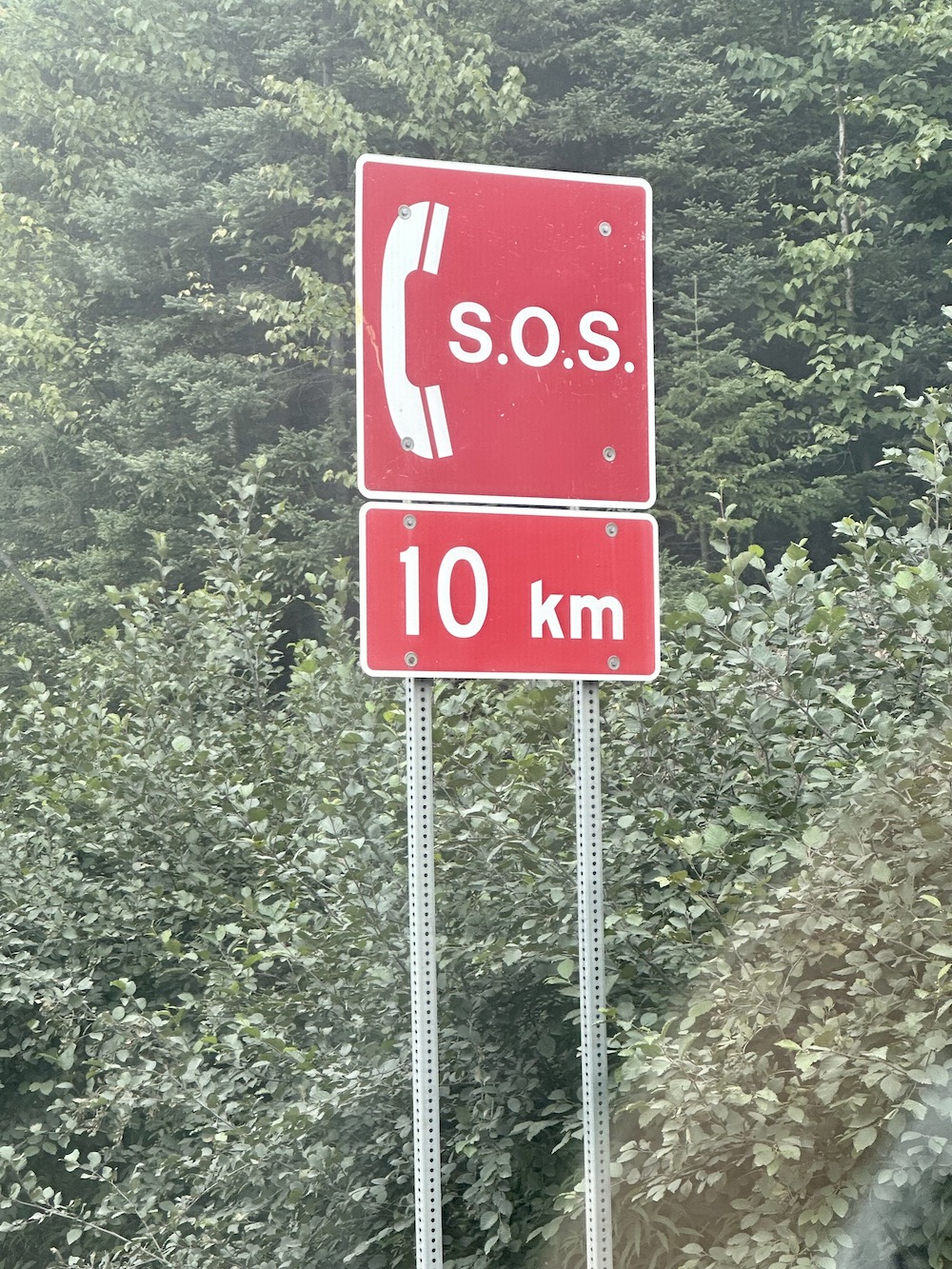
Each day brought no cell phone reception. If something had gone wrong with me or the rig there was no way to reach out. Next time I will bring a satellite radio. It is good to be prepared. There were cars and trucks on the road so I would not have been alone for long. People out in this country are kind and thoughtful and will reach out to the person stranded on the side of the road. 

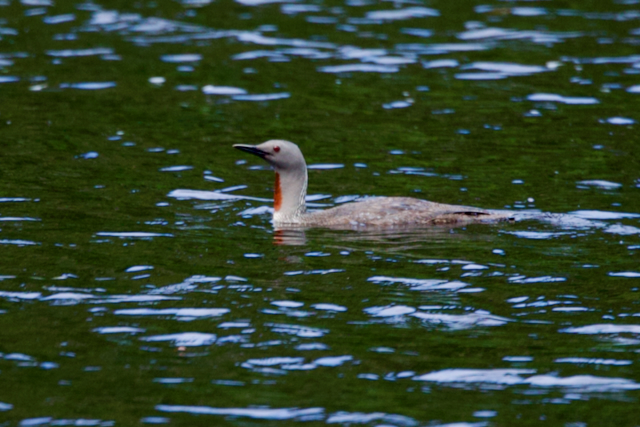
This morning I am sitting at a pullover writing this before I enter back into the land of people and tourism.  Out there on this body of water next to my rig are loons calling into this wild land. Last night I heard an Elk bugle, waking me from a sound sleep. I feel like I drove into this country one person and am leaving more settled and aware of what may be important to my life at this moment. 

It is a wild lonely country out here. I am grateful today for the experience of it. I am more than thankful that I was able to enjoy it end to end without mishap. Today I am thankful that I will acclimate back into the life of people. I am in Red Bay and oh look…there is a restaurant. Breakfast anyone?

Trees of the Amazon

“The Amazon rainforest, covering much of northwestern Brazil and extending into Colombia, Peru and other South American countries, is the world’s largest tropical rainforest, famed for its biodiversity. It’s crisscrossed by thousands of rivers, including the powerful Amazon.” (Google)

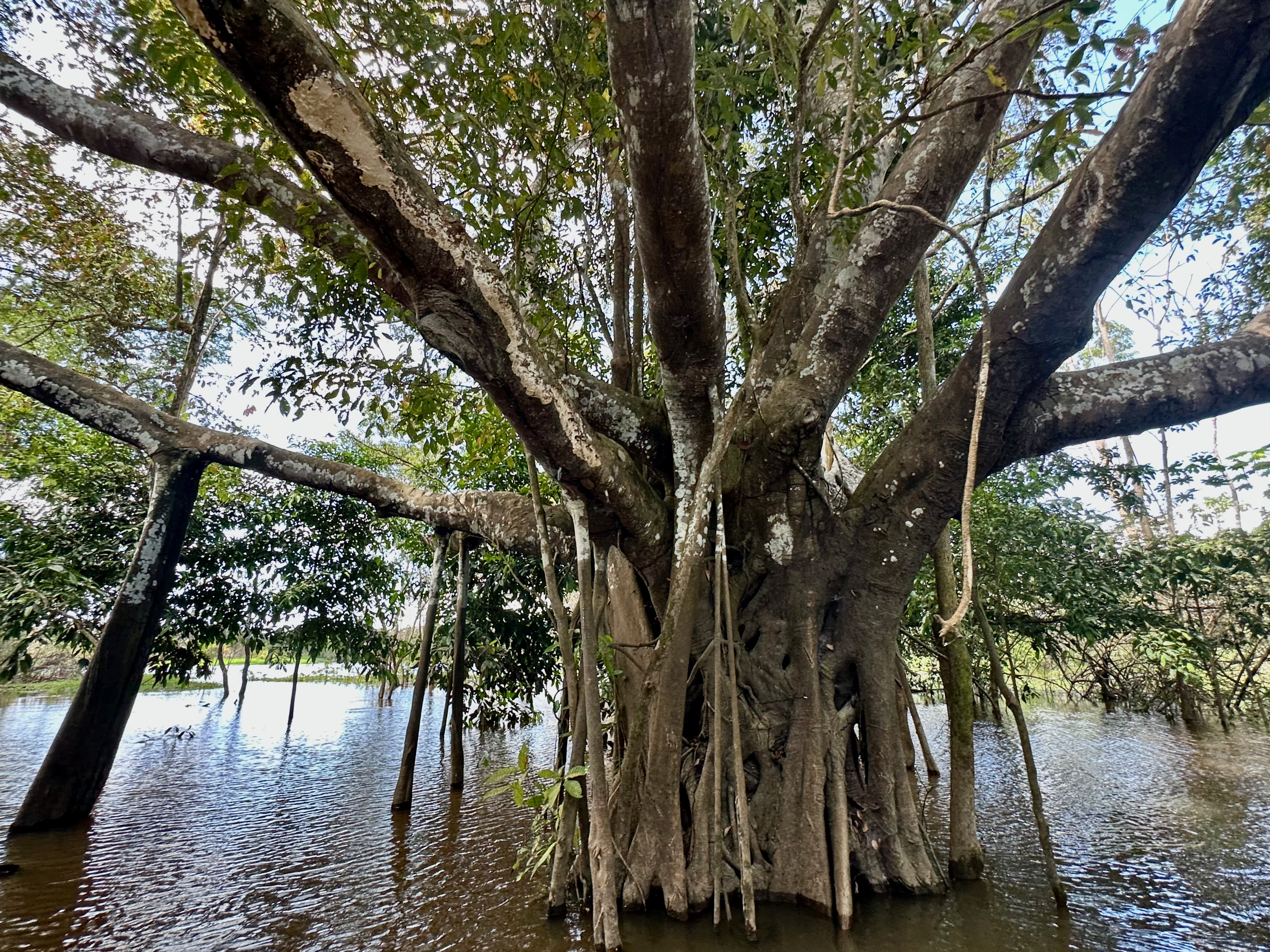
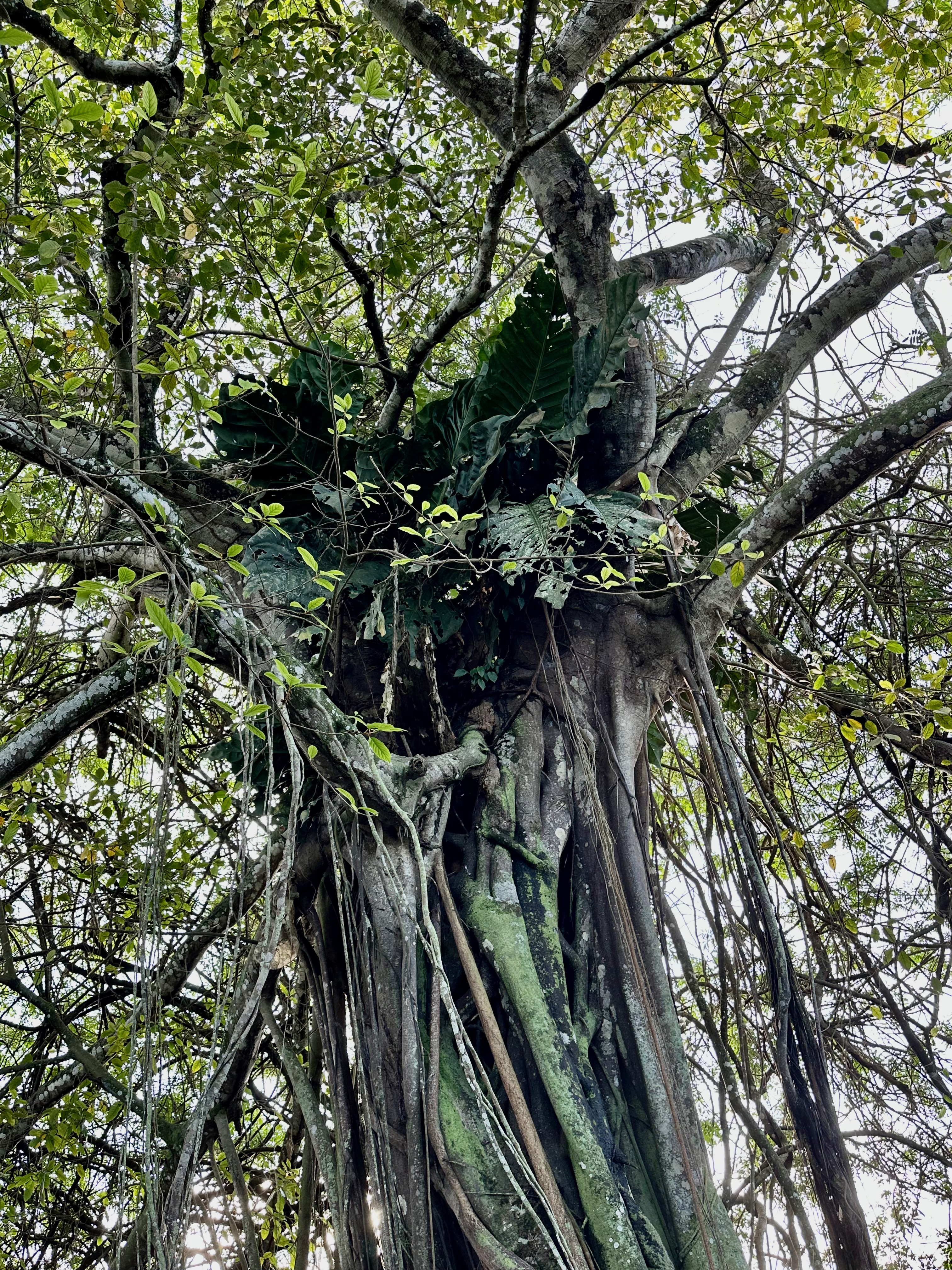
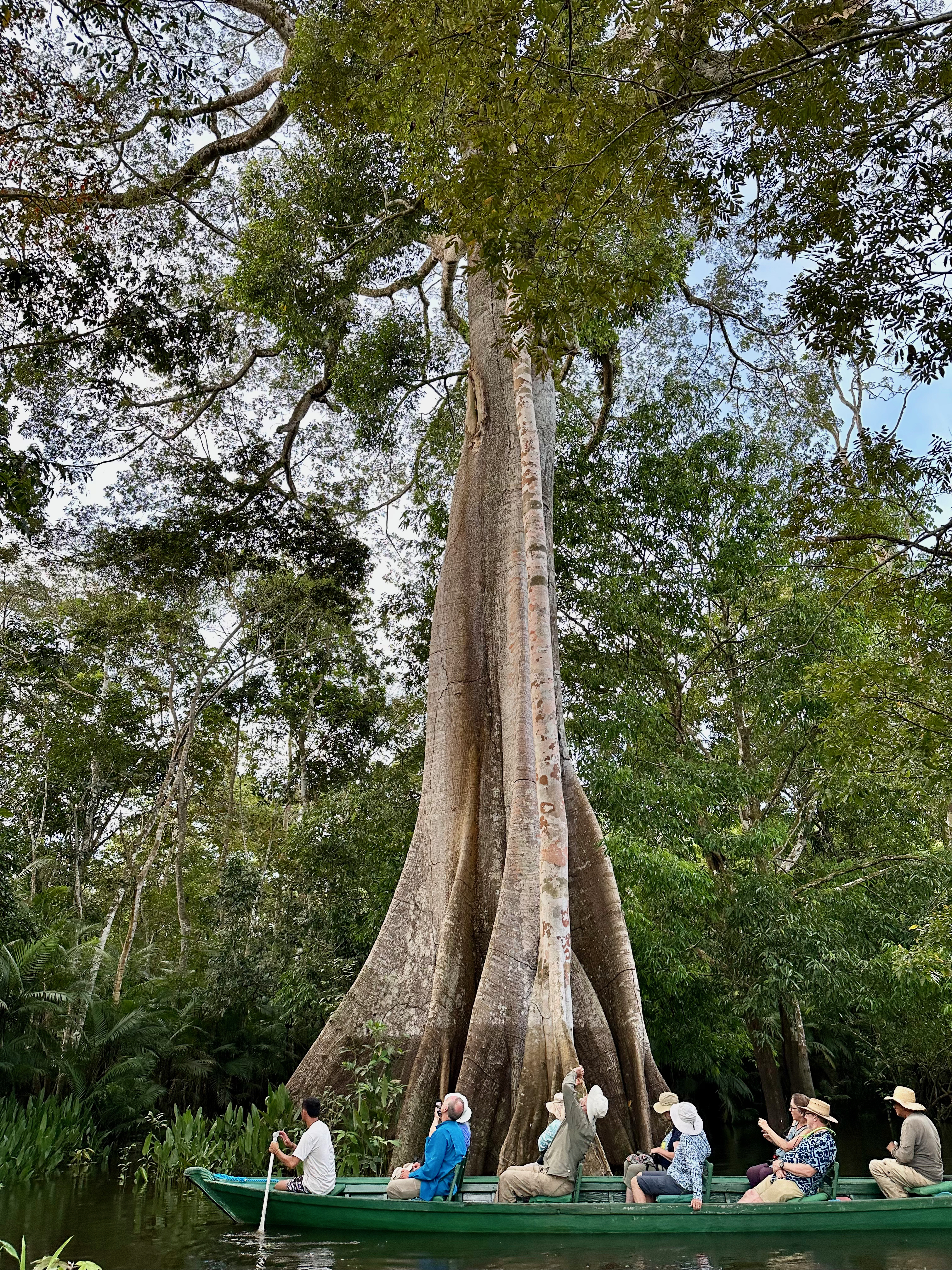
Though they are one of the main features of the Amazon rainforest, the trees that cover vast swathes of the region are often overlooked, viewed as a mere backdrop to the animals and creatures that call the Amazon home. These tall trees play an essential role in jungle life, producing around 20% of the earth’s oxygen and providing a home for some of the rarest and most beautiful creatures in the world.

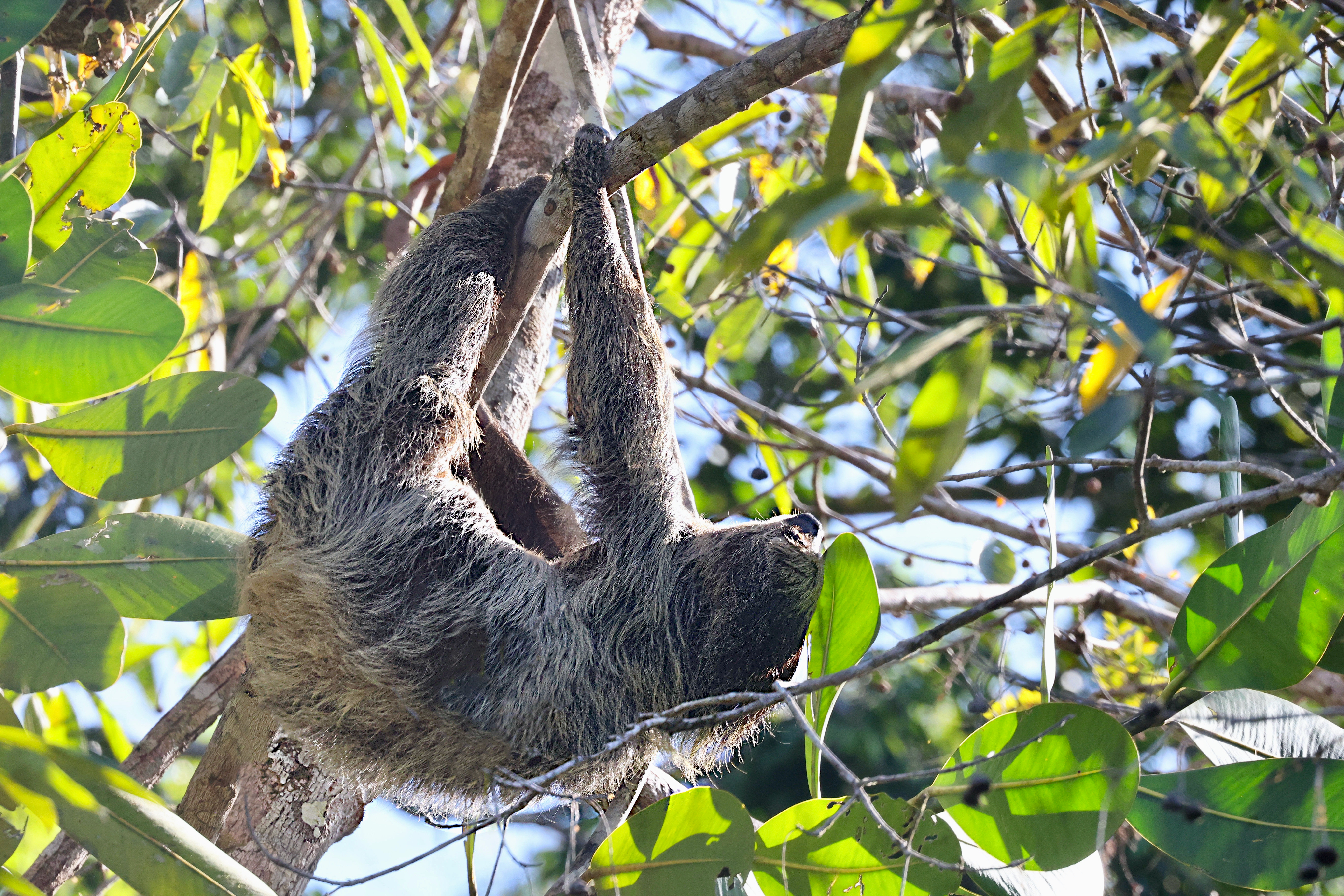
Two to three times a day we went exploring in the tenders, the smaller boats. As we searched for animals and vertebrae and birds we encountered trees. Most of them were rather large and stately. They supported an incredible amount of life from insects to plants. Some animals spend most of their lives living in the trees.

Sloths spend most of their lives traveling from tree to tree. They travel slowly, less than 40 yards a day. Sloths spend the majority of their time up in the canopy, coming down only one time per week to relieve themselves. The trees provide natural protection from predators. It is safer for sloths to remain motionless and camouflaged off the ground. They will, however, venture down on rare occasions to find more food or a mate or to take a swim.

 Deforestation in the tropical forests of South and Central America threatens the trees sloths and many other living entities that call the canopy home. Organizations such as the World Wildlife Fund have supported efforts to protect the canopy in the Amazon Rainforest.

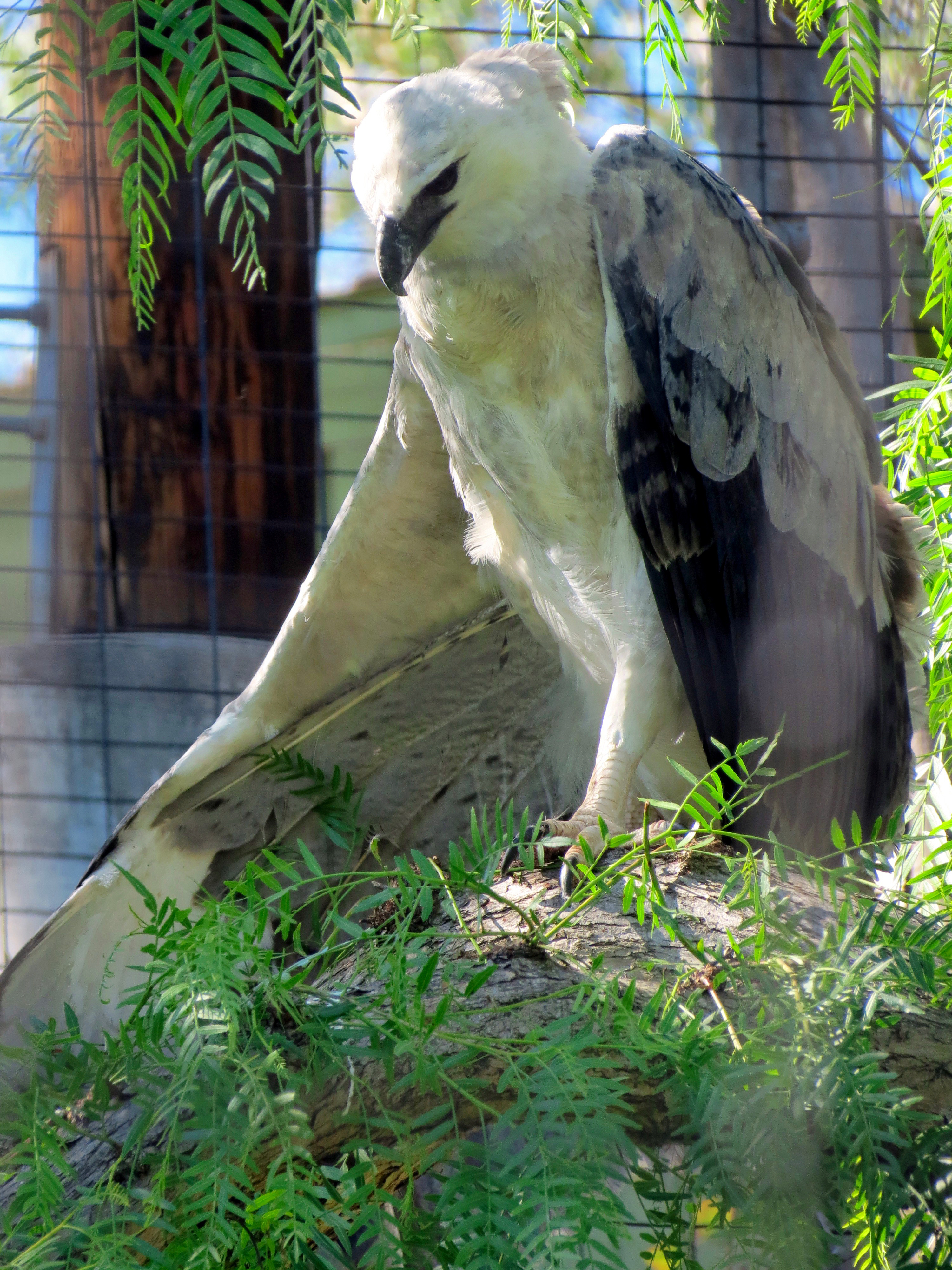
Harpy Eagle at the San Diego Zoo.

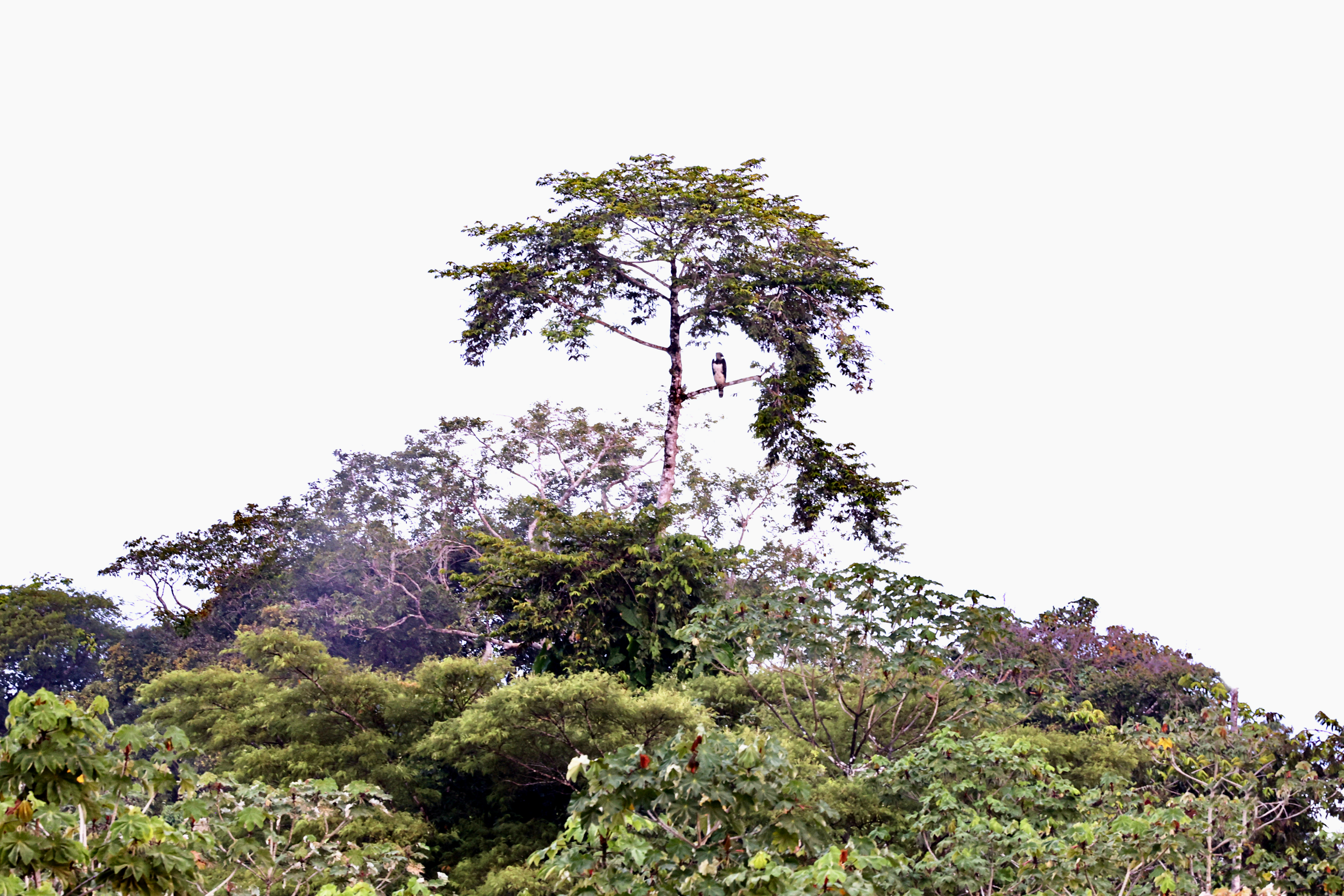
Many bird species also exist in the tree canopy. We had the opportunity while we traveled the Rio Negro a tributary of the Amazon, to see the Harpy Eagle twice.

Harpy eagles are the largest, most powerful predatory birds to be found in rainforests around the globe. They are among the largest species of eagles on planet Earth. Their wingspan can reach up to 7 feet and 4 inches. Their legs are the size of a person’s arm and their talons are three to four inches long.

Harpy Eagles in the Amazon

These powerful eagles are at the top of the rainforest food chain and have no natural predators. They prey on tree-dwelling mammals including sloths, monkeys, and opossums; large birds such as macaws and curassows; and reptiles like iguanas and snakes.

They occupy huge territories that can exceed 10,000 acres. Pairs build a stick nest — six feet wide and more than a foot deep — high in the jungle canopy. The birds mate for life and reproduce slowly, raising a chick every two to four years.

Taken at the San Diego Zoo

Large areas of land with big, healthy trees are needed to conserve viable populations of Harpy Eagles. Conservation is required by many environmental organizations to continue to support this large and rare eagle.

Trees are essential to our lives. It felt good to be among the trees for twelve days of my life. I have climbed trees, hugged trees, listened to them, and honored them in my life. I am glad I got to experience the large and impressive trees of the Amazon Rainforest. It was an honor to feel so small in their massive presence.

Today I am thankful for all the amazing wild places out there waiting for me to explore and know. Today I am thankful for the mighty tree that helps me be able to live and breathe on this planet Earth. Today I am thankful.

And…please remember to click on the photos. They will be shown in full size if you click on them.


Continue reading

Lessons of Nature

I left San Diego at the end of April. I am thankful for slow and easy journeys in my Roadtrek. As I moved north I had time to stop and explore. I love the coast of California. Actually, the whole west coast is pretty magnificent. It has got to do with water and rugged nature. Much of the Pacific Coast in the United States is a cold and rough ocean.
Carpenteria State Beach

I arrived at Carpenteria State Beach, near Santa Barbara, for a four-night stay. I have learned to speak up if I don’t find a campsite to my liking. I was originally in a parking site between two rigs. There was no picnic table and I felt like I was in a parking lot. When I spoke to the ranger, he gave me three sites to look at. I found the perfect site. Although the park was busy my site was quiet. I remained there for four nights.

There are moments in time that are special in my life. One of them occurred while camping at Carpenteria. This is spring and the Snowy Plovers were sitting on eggs or managing their young. They are protected, so the area where they are nesting was closed off to the public.

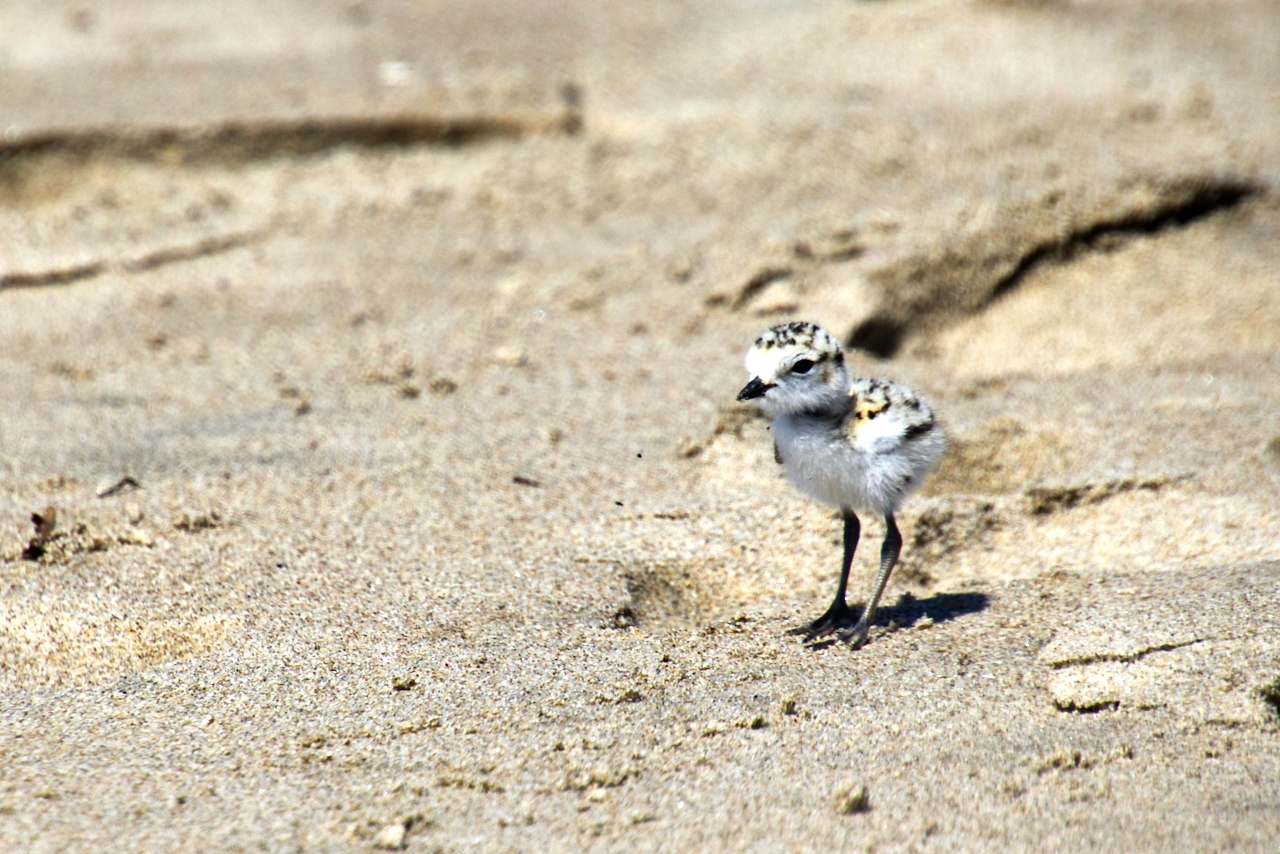
I spent a morning sitting outside the roped-off area watching the babies and adult Plovers. I have seen signs for the Snowy Plovers before, yet this is the first time I have actually had the opportunity to see the adults and babies.

Here are some facts about these sweet little birds.

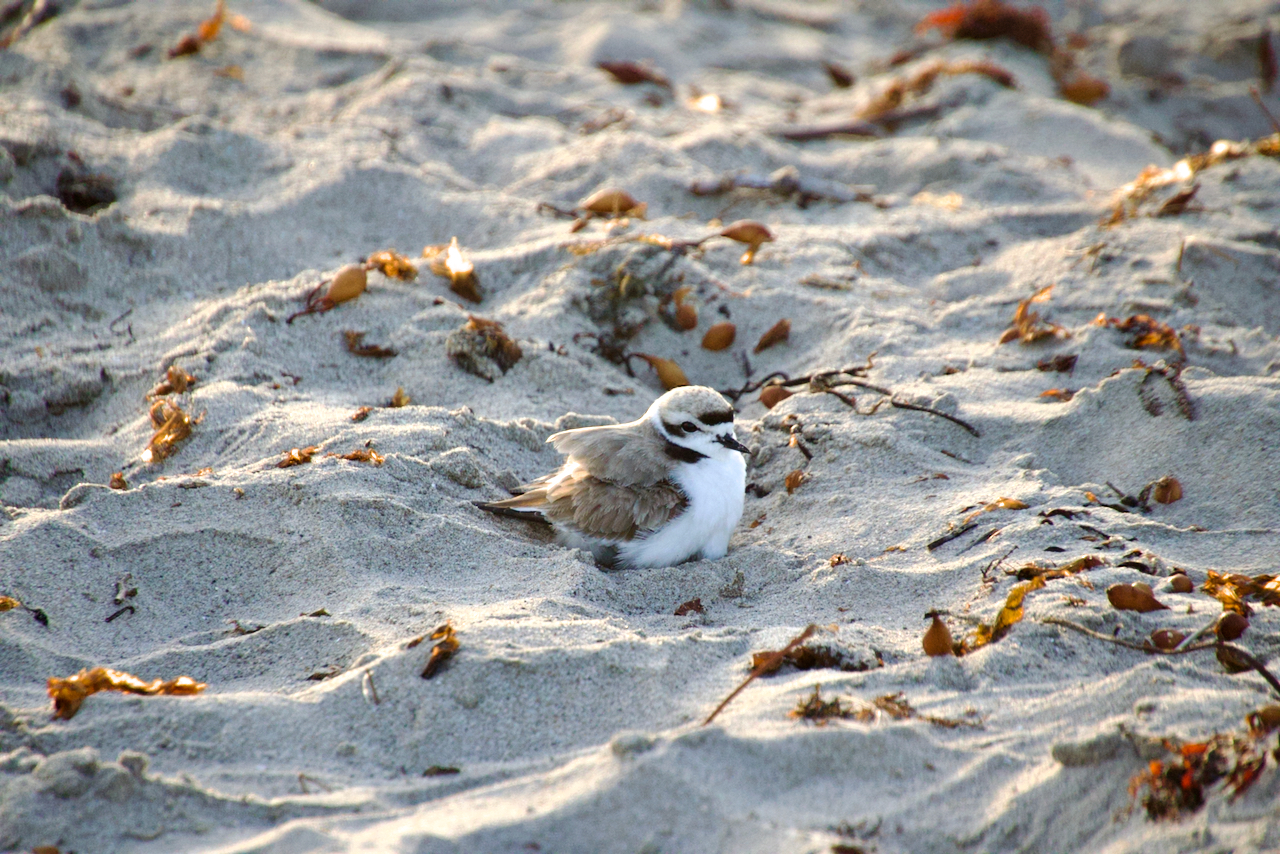
  • Snowy Plovers are pale brown shorebirds, that forage for invertebrates on ocean beaches and in desolate salt flats and alkaline lakes. Snowy Plovers make nearly invisible nests on beaches, where they are easily disturbed by humans, dogs, and beach vehicles.
Adult Snowy Plover
  • They are endangered. Partners in Flight estimates a global breeding population of 31,000, of which an estimated 24,000 breed in the U.S. Presently, fewer than 2,000 breeding plovers remain in the Pacific coast population.
  • Their camouflage is perfect for their environment. If I took my eyes off the young ones it took a bit to find them again.
  • Young Snowy Plovers leave the nest within 3 hours of hatching and are able to forage unassisted almost immediately (though the parents still brood them periodically to keep them warm). If a predator approaches, the parent gives a signal and the chicks flatten themselves against the ground.
  • Snowy Plovers often raise 2 broods of chicks a year. Females occasionally desert their mates when the chicks hatch to begin a new nest with a different male.
  • The oldest recorded Snowy Plover was 15 years and 9 months old when it was spotted in Oregon and identified by its band.

It was an honor to see these little birds and photograph them. Their curiosity was infectious. They made me laugh and feel joy. They remind me of the fragility and strength of life in all forms. It is important to support all life that is left in this world, even these little shorebirds. Every time another species disappears, I feel that a little of you and me disappears as well.

I am so grateful to be given these opportunities in nature. Nature gives me the opportunity to grow and strengthen, to experience joy and delight.

Today I am thankful for the Snowy Plovers. Today I am thankful for nature. Today I am Thankful.